







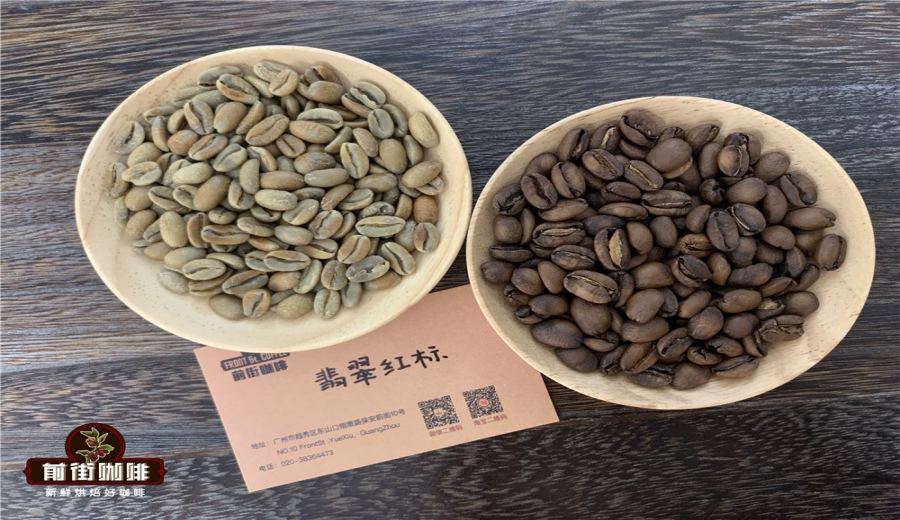
Introduction:An in-depth exploration of the origins and processing characteristics of different grades of Geisha from Panama's Hacienda La Esmeralda, comparing flavor profiles across Costa Rica, Ethiopia, and Colombia, and providing expert pour over recommendations—including water temperature, coffee-to-water ratio, grind size, and brew techniques—to help you master the unique charm and optimal brewing methods of Geisha.
Geisha coffee rose to international fame thanks to Panama’s Hacienda La Esmeralda, where its delicate floral notes and elegant fruity acidity breathed new life into this ancient Ethiopian variety. Today, different grades such as Emerald, Red, and Blue labels have become highly sought after by coffee enthusiasts. Beyond Panama, Geisha is also cultivated in Costa Rica, Ethiopia, and Colombia, each showcasing distinct terroir-driven personalities. This article will analyze everything from the variety’s origin, regional flavors, roast levels, to pour over parameters, offering a comprehensive understanding of Geisha’s allure.
When it comes to Geisha, most people immediately think of Panama’s Hacienda La Esmeralda. However, early on, this variety was rarely grown due to low yields and high cultivation difficulty, and was once used only as windbreaks. It wasn’t until 2003 that the estate separated Geisha from other varieties, and in 2004, it won the championship at the Best of Panama (BOP) competition—catapulting Geisha to global prominence. Since then, the Geisha produced by Hacienda La Esmeralda, whether in processing techniques or flavor expression, has been regarded as an industry benchmark.
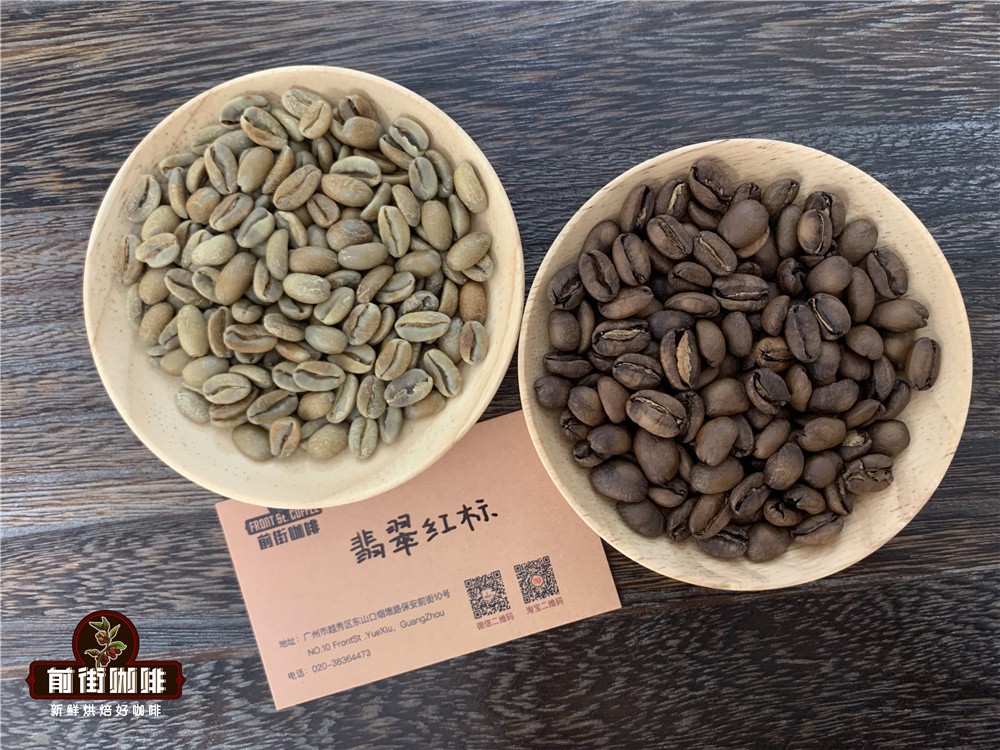
Geisha (音译自衣索比亚原生品种) is actually a transliteration of an Ethiopian native variety, belonging to the same broad category as common types like Typica and Bourbon. However, unlike other varieties, Geisha is often directly labeled as a product name, highlighting its market positioning and premium image. This variety demands extremely high growing conditions, preferring high altitudes, foggy environments, and fertile soils—traits that contribute to its distinctive floral and fruity aromas as well as a clean, tea-like finish.
Although originating in Ethiopia, Panama’s high altitude and unique microclimate allow its flavors to shine even more prominently than in its place of origin. At high elevations, coffee cherries ripen more slowly, aiding the accumulation of flavor compounds and resulting in more refined acidity and richer aromatic layers. For this reason, Panama’s Hacienda La Esmeralda Geisha has stood out in the international market—its price may be high, but many find it well worth it.
Besides Panama, Costa Rica, Colombia, and Ethiopia also grow Geisha, with some regions having even earlier cultivation histories. For example, Costa Rica’s Tarrazú region, with its volcanic soil and significant day-night temperature variation, is an ideal place for producing high-quality Geisha. Recently introduced Costa Rican Geisha showcases cup profiles similar to Panama’s elegant floral and fruity notes, paired with a juicier body.Recommended brewing parameters:Water temperature: 91°C, coffee-to-water ratio: 1:15, medium-fine grind (80% passing through a #20 sieve)This setup helps better highlight its rich flavors.
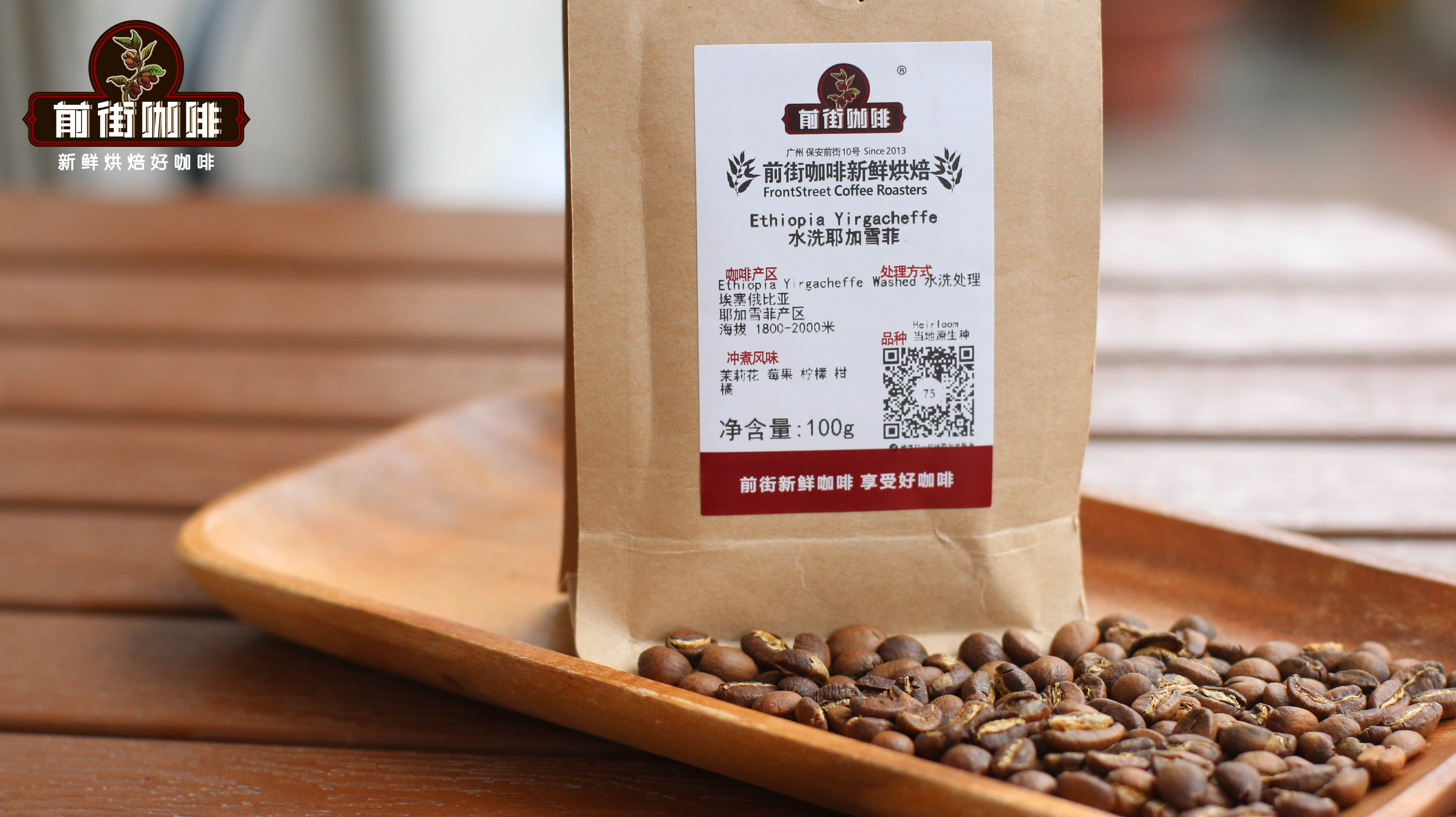
Ethiopian Geisha, represented by the Gesha Village estate, specializes in cultivating wild Geisha varieties, named 'Gori Gesha', which has a different genetic background from the Panamanian version. Cupping reveals prominent stone fruit notes dominated by yellow peach, with outstanding sweetness—some batches even exude hints of caramel-like aromas.Suggested pour over parameters: maintain water temperature at 91°C, use a 1:15 coffee-to-water ratio, and a medium-fine grind (80% passing through a #20 sieve)to help bring out its sweet and fruity characteristics.
Colombia has also recently begun introducing Panamanian Geisha varieties, mainly planted in mountainous regions with mild climates and abundant water sources, resulting in a smooth and balanced flavor profile.Cupping often reveals gentle acidity reminiscent of oranges and citrus, honey-like sweetness, and tea-like aftertastes. Recommended brewing settings:Water temperature: 90°C, coffee-to-water ratio: 1:15, medium-fine grind (80% passing through a #20 sieve)to more fully present its gentle and harmonious characteristics.
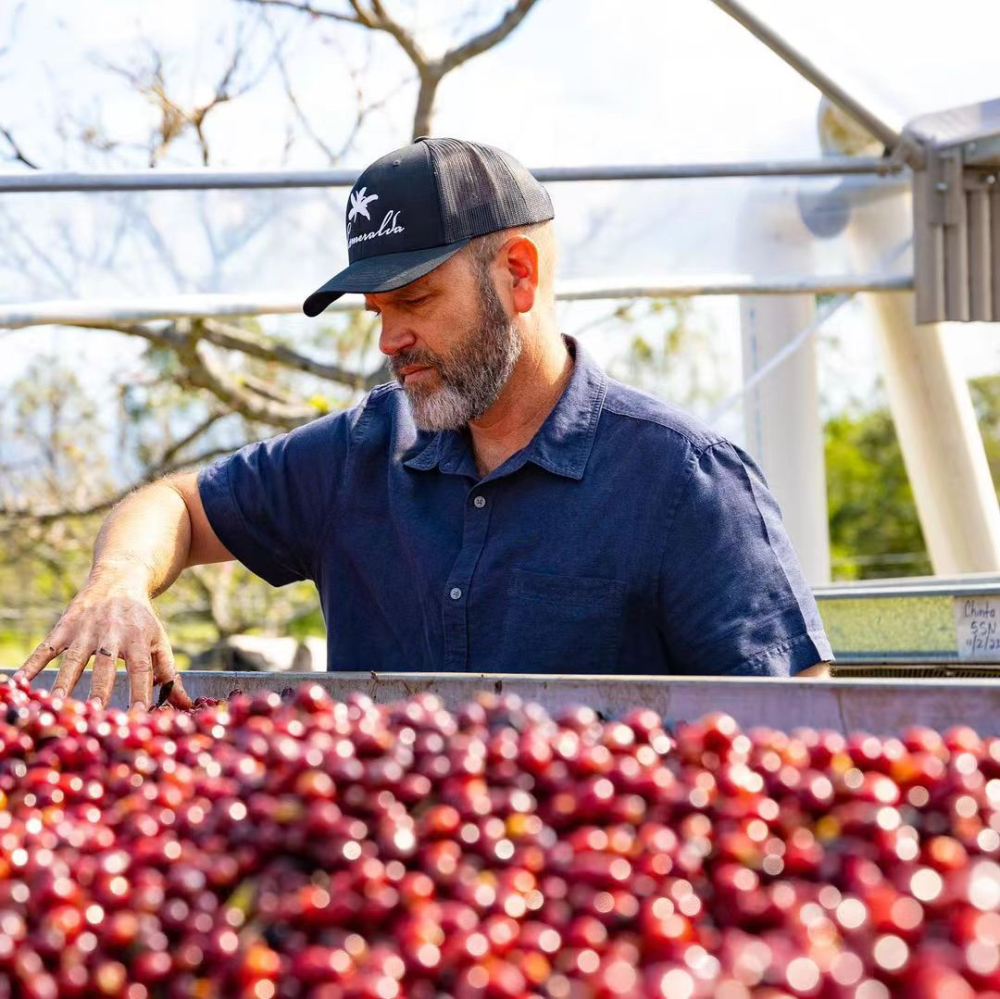
Since its breakthrough in 2004 as BOP champions, Hacienda La Esmeralda has been dedicated to advancing the cultivation and processing of Geisha. Its main growing areas now include three key lots: Jaramillo, Cañas Verdes, and El Velo, which are the sources of the Red, Green, and Blue labels respectively. Among them, Jaramillo was originally a windbreak area, but unexpectedly, the Geisha planted there showed exceptional potential and later became the main source of the Red label.
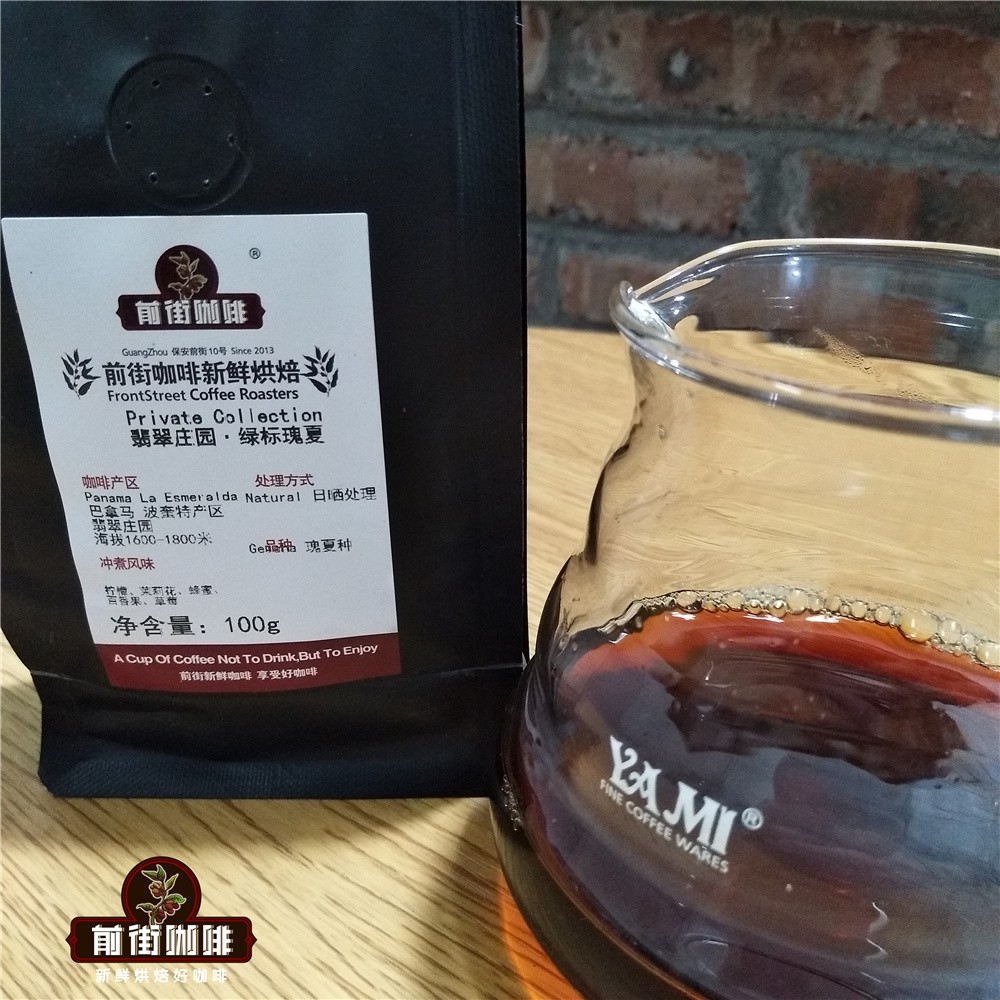
Hacienda La Esmeralda categorizes Geisha into three main grades based on altitude and cupping results:Red Label (Esmeralda Special) is selected from Jaramillo and Cañas Verdes at altitudes of 1600–1800 meters, scoring 90+ in cuppings, released via auction or curated batches, with flavors dominated by flowers and citrus;Green Label (Private Collection) also comes from these regions but from non-auction batches, still featuring classic Geisha floral-fruity and citrus acidity, now primarily washed processed;Blue Label uses a blend of beans from altitudes of 1400–1500 meters, with softer flavors—noticeable floral and fruity acidity but with slightly less complexity. Recently, the Blue Label has gradually been replaced by the newly launched Las Rocas volcanic series, becoming a new choice from Hacienda La Esmeralda that balances value and flavor.
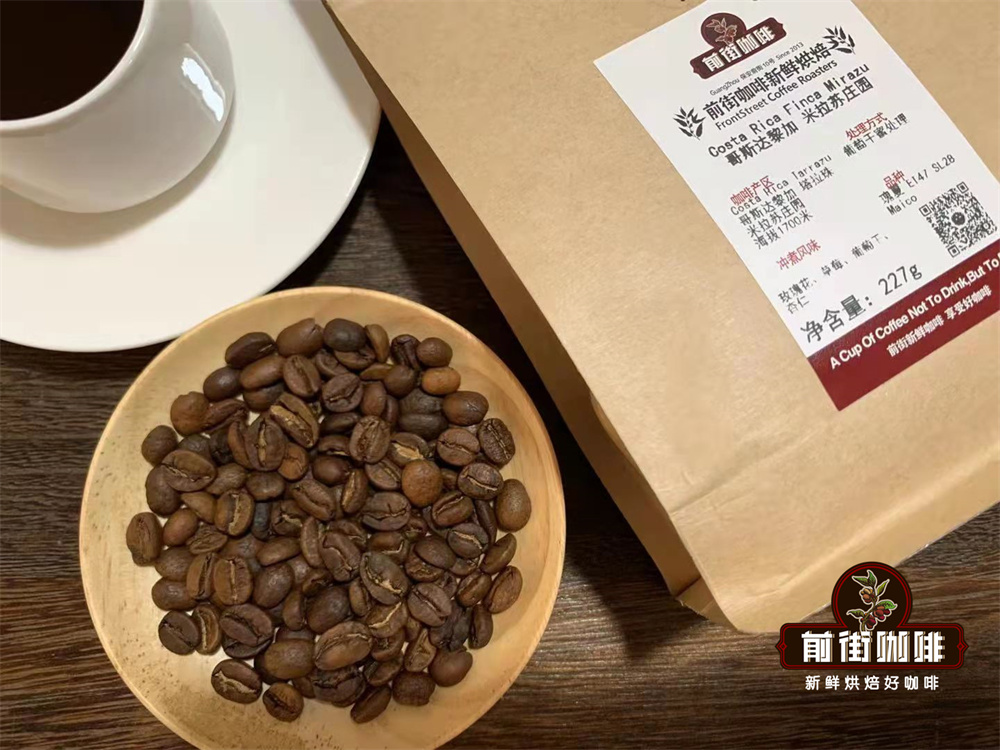
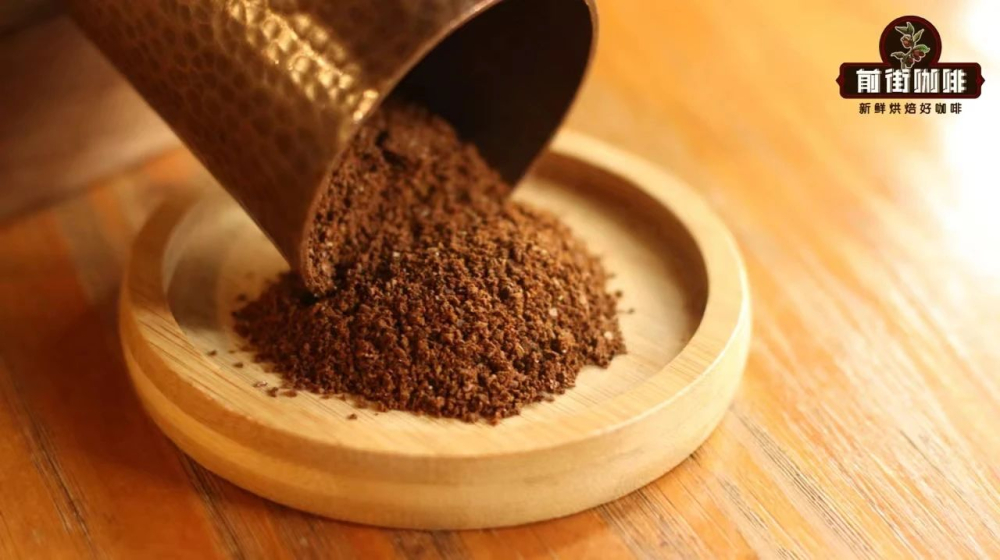
When brewing Geisha, since most are light to medium roasts, attention should be paid to proper grind size and water temperature to fully coax out its delicate floral-fruity aromas and clear, balanced acidity and sweetness.Recommended use of a medium-fine grind (80% passing through a #20 sieve), with water temperature controlled around 90°C, and utilizing a brew method with multiple infusions to achieve more distinct flavor layers.
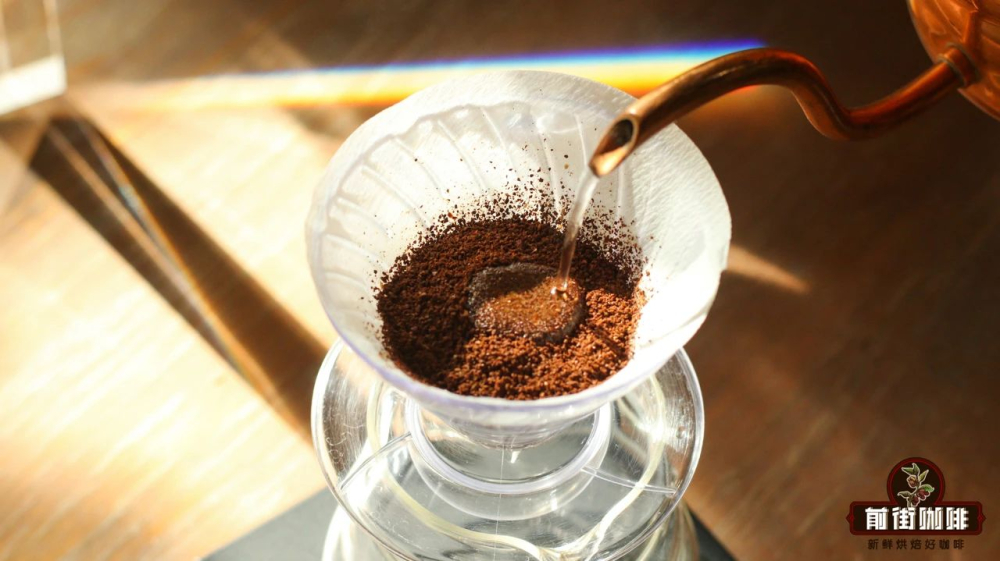
Recommended pour over parameters are as follows:Use a Hario V60 dripper,with 15g of coffee, a 1:15 coffee-to-water ratio, 90°C water temperature, and a medium-fine grind (80% passing through a #20 sieve). Start with a 30-second bloom using double the coffee weight (about 30g) of water, then pour in a slow circular motion until reaching 125g for the first infusion, and finally pour up to 225g to finish. Total brew time is approximately 2 minutes.
Red Label Geisha: Bright floral notes with rose and citrus aromas, accompanied by complex fruit tones like brown rice, berries, and apricots, offering a full-bodied mouthfeel with pronounced honey sweetness and rich layers.
Green Label Geisha: Intense jasmine floral notes, outstanding sweetness, blended with citrus, berries, and a creamy texture, with a finish of green tea and cantaloupe freshness.
Blue Label Geisha: Starts with soft acidity of lemon and grapefruit, and as it cools, reveals sweetness of oolong tea, honey, and cane sugar, delivering a bright and refreshing mouthfeel.
Brewing Geisha is an art that pays attention to details. In addition to strictly controlling water temperature, grind size, and brew time, it’s also recommended to use freshly roasted beans (ideally within 5 days post-roast), and allow the beans to degas for 4–7 days before brewing to achieve the best flavor. Remember, pour over is not just about technique—it’s a dialogue with the coffee. Making fine adjustments will help you discover your own perfect flavor.
The above content is compiled by CoffeeHunters, a coffee news website.


