







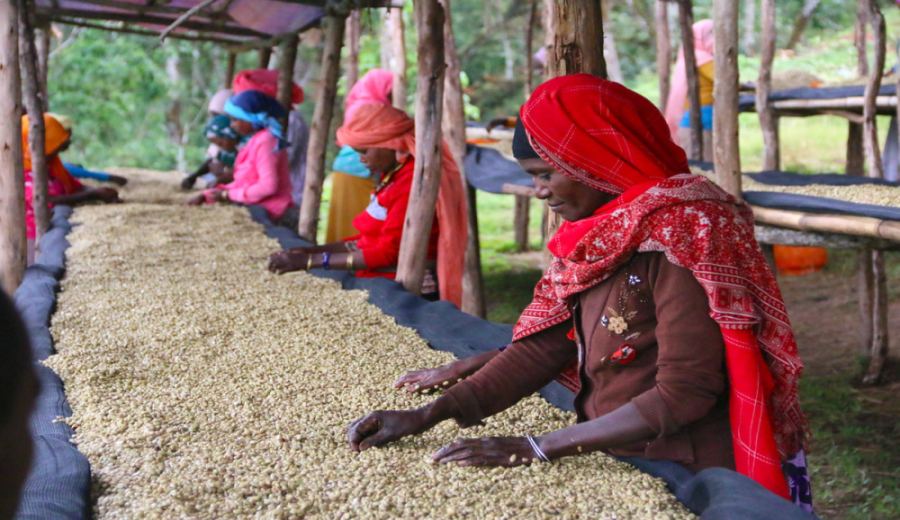
Introduction:From Ethiopia’s native Heirloom variety to the globally renowned Yirgacheffe region, this article delves into the genetic origins, varietal lineage, and regional flavor characteristics of Arabica coffee. In addition to introducing the backgrounds of classic varieties such as Typica and Bourbon, it also provides an in-depth look at Yirgacheffe’s terroir, the evolution of processing methods, and the differences between washed and natural flavor profiles. Practical pour over recommendations and resting tips are also included to help you brew classic Ethiopian beans with bright acidity and citrus-floral notes at home.
Ethiopia is regarded as the genetic birthplace of Arabica coffee and remains an indispensable highlight in the global specialty coffee market. As a high-altitude region in eastern Ethiopia, Yirgacheffe has become a dream bean for many coffee enthusiasts thanks to its distinctive jasmine, citrus, and tea-like flavor profile. This article begins with Ethiopia’s unique native Heirloom variety, guiding you through the evolutionary journey of the Arabica family, then focuses on Yirgacheffe’s geographical advantages, processing techniques, and brewing suggestions to help you capture the essence of this classic coffee.
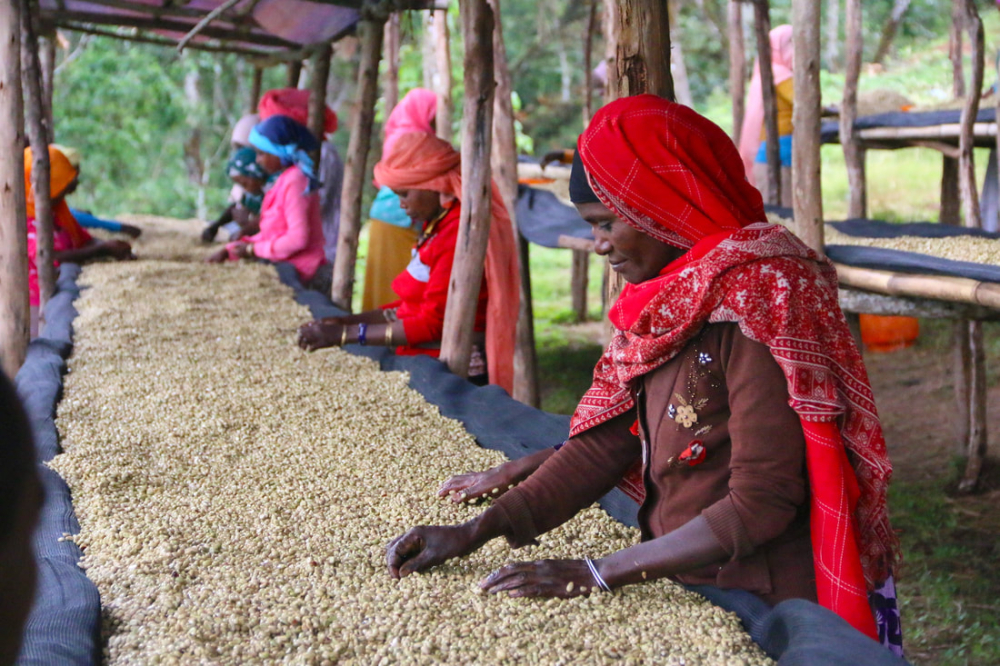 Native Heirloom: Ethiopia’s Coffee Genetic Treasure Trove
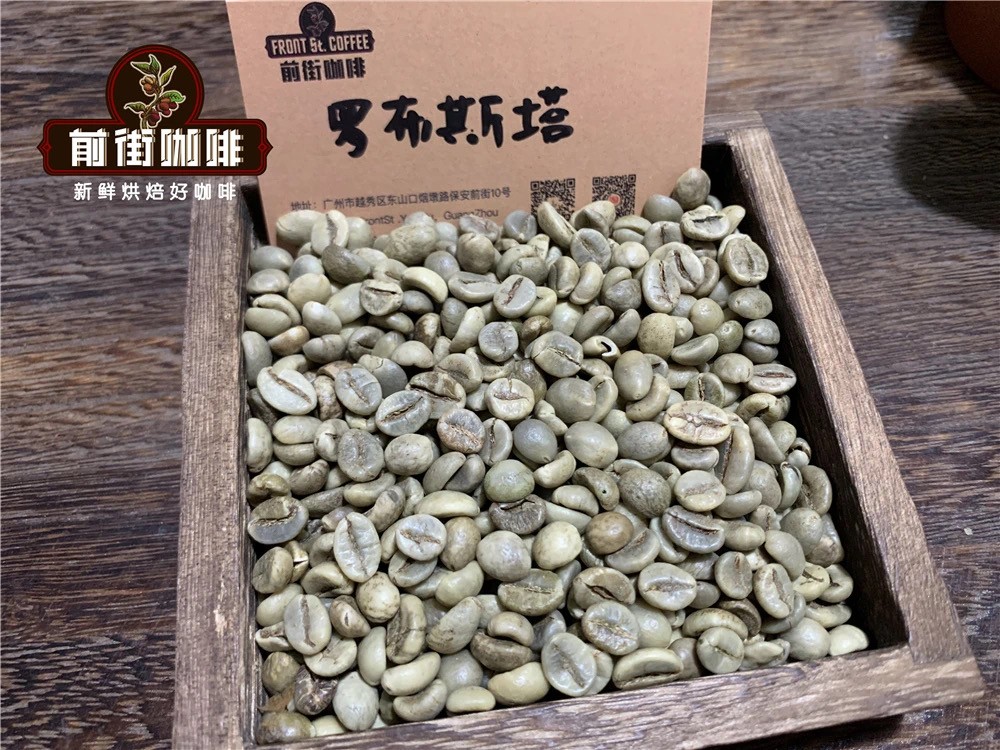
Ethiopia is home to thousands of natural coffee varieties. Due to long-term existence in natural or semi-wild ecosystems and the government’s decision to not fully disclose varietal information to protect genetic resources, exported coffee beans are often labeled generically as “Heirloom.” In reality, these native varieties mostly originate from the Kaffa forest in southern Ethiopia, with up to 99% of the genetics of currently circulating coffee varieties traceable back to this region. Although Heirloom varieties lack clear classification, most are Arabica, small in size and irregular, typically ranging between 14 and 15 mesh, with a generally round shape. They form the flavor foundation of Ethiopia’s unique beans.
Arabica: The Global Specialty Coffee Mainstay Originating from Ethiopia Arabica is the world’s most prominent specialty coffee variety, accounting for approximately 70% to 80% of total production. These coffee trees have stringent environmental requirements and are especially suited to highland regions at elevations of 500 to 1500 meters or above, where higher altitudes often yield more delicate and complex flavors. The Arabica species is highly diverse, all derived from Ethiopia’s ancient Typica and Bourbon lineages, which have been further adapted through local climates and soils, eventually forming today’s varied varietal spectrum. These beans are slender and flat with a pronounced S-shaped center cut, forming a sharp contrast to Robusta’s round and straight center cut, and they exhibit distinctly different flavor profiles across various producing regions.
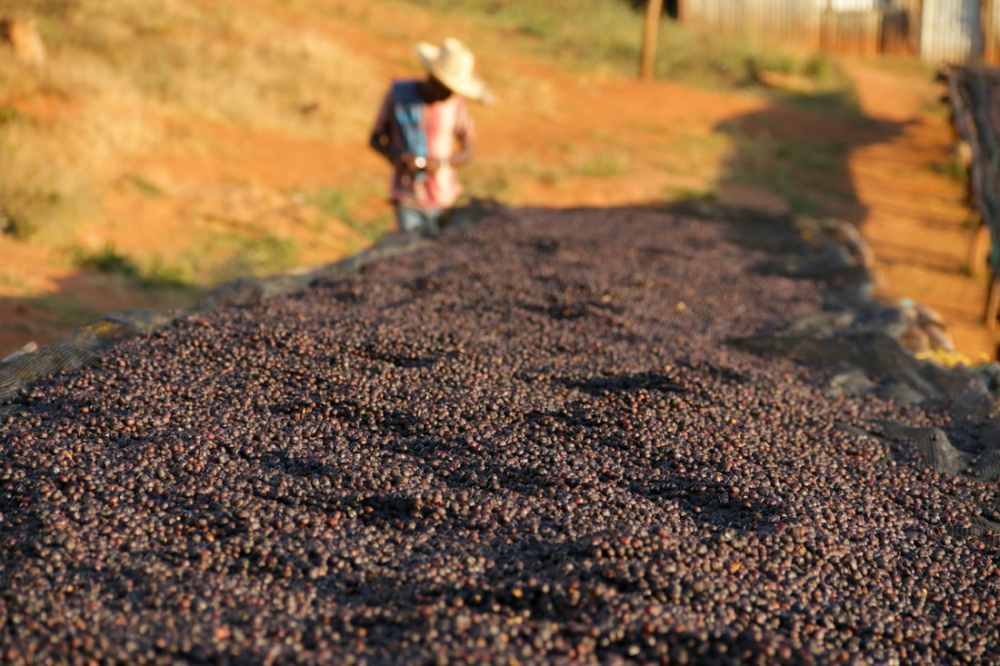
Typica and Bourbon: The Cultural and Genetic Pillars of the Arabica Family Typica is one of the most original Arabica varieties, originating from southwestern Ethiopia, then spreading to Yemen, and subsequently to India, Indonesia, and Central and South America. Its beans are slender and pointed, offering elegant flavors but with relatively low yields and high susceptibility to pests and diseases. Bourbon, on the other hand, was introduced to Bourbon Island (now Réunion) from Yemen in the 18th century and later expanded to Africa and Central and South America. Compared to Typica, Bourbon beans are slightly rounder, with yields about 30% higher, and offer richer flavors, often seen in international cupping competitions. These two lineages together form the genetic foundation of modern Arabica coffee, interpreting diverse regional flavors around the globe.
Yirgacheffe: A Flavor Sanctuary Nurtured by High Altitude and Microclimates Located in eastern Ethiopia at elevations between 1800 and 2000 meters and part of the Sidamo region, Yirgacheffe’s name in the local language means “settled wetlands,” reflecting the area’s unique geological environment of humidity, fog, and mineral-rich soils. Unlike the large estate systems of Central and South America, Yirgacheffe mostly employs small-scale mixed cultivation, yielding only 200 to 700 kilograms per hectare, embodying a strong artisan spirit. With distinct dry and wet seasons and nourishment from ancient volcanic soil, Yirgacheffe coffee boasts delicate fruit acidity, citrus notes, and jasmine floral aromas, making it the globally recognized representative of the “Yirgacheffe flavor.”
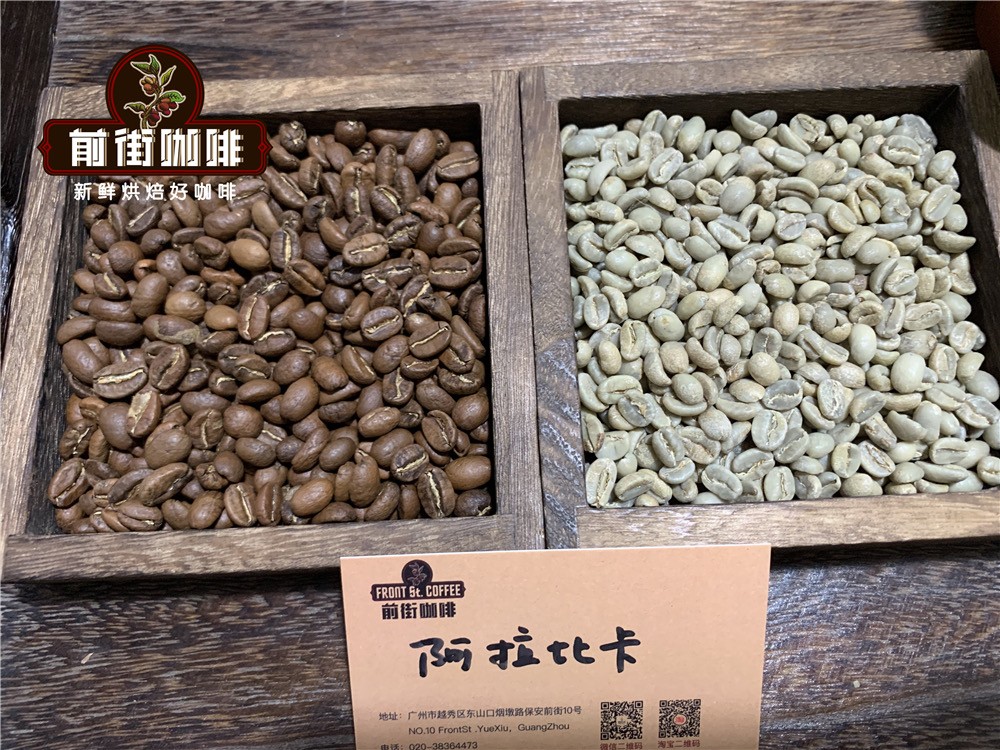
Flavor Profile: A Perfect Balance of Bright Acidity and Floral-Fruity Notes Yirgacheffe coffee best showcases its characteristics when lightly roasted: the first sip reveals clear lemon and citrus acidity, complemented by honey sweetness and delicate floral notes, with an aftertaste that gently lingers like black tea. Compared to the bold and heavy profiles of Central and South American coffees, Yirgacheffe presents a lighter, more elegant fruity tone, delivering multi-layered flavors whether hot-brewed or cold-brewed. Though its beans are small, their flavor intensity and complexity are no less impressive, making it a top choice for global coffee lovers exploring the third wave of specialty coffee.
Evolution of Processing Methods: Flavor Transformation from Natural to Washed In the past, Yirgacheffe mostly used traditional natural processing, but due to suboptimal drying conditions, it often had off-flavors. After the introduction of Central and South American washed processing techniques in 1972, refined fermentation and washing processes significantly improved coffee purity, resulting in clearer and brighter jasmine and citrus aromas, establishing its benchmark status in specialty coffee. Currently, the region retains both natural and washed methods, with the former often featuring intense flavors like berries and fermented wine, while the latter highlights fresher lemon and floral tones.
Pour Over Recommendation: Brewing the Soul of Yirgacheffe with V60 To fully showcase Yirgacheffe’s fruit acidity and floral notes, we recommend using a V60 dripper with the following parameters: water temperature at 90°C, a 1:15 coffee-to-water ratio (15 grams of coffee), and grind size at 80% through a 20-mesh Chinese sieve (approximately the size of fine sugar grains). Begin with a 30-second bloom using twice the coffee weight in water (30 grams) to release CO₂; then pour water in small circles until reaching 125 grams for the first pour, followed by a second pour to a total of 225 grams. Keep the total brew time around 2 minutes. Let the brewed coffee sit briefly after pouring to allow flavors to integrate fully before drinking, to better experience its refreshing and multi-layered profile.
Resting and Storage: Freshness Determines Flavor Expression Yirgacheffe coffee beans are recommended to rest for 4 to 7 days post-roast until degassing stabilizes, after which they enter their peak flavor window. If you purchase whole beans, grind them fresh before brewing for the best tasting experience; if pre-ground, use them as soon as possible to avoid oxidation affecting aroma. Whether washed or naturally processed, freshness is the key to whether a cup of Yirgacheffe can showcase its classic flavors.
The above content is compiled by CoffeeHunters, a coffee news website.


