







Introduction:Colombian coffee is widely praised for its diverse processing methods and consistent flavor profiles. Techniques such as washed and anaerobic fermentation yield distinctly different flavor spectra. This article delves into the geographical characteristics of Colombia’s Huila region, the differences between washed and anaerobic natural processing, and how these methods influence flavor development. It also provides practical pour over recommendations to help you better grasp the essence of Colombian coffee.
Colombian coffee has always held a significant place in the global specialty coffee market, not only due to its stable production and quality, but also because of its varied processing techniques and regional characteristics, which create rich flavor layers. Among them, Huila Province, a key hub for specialty coffee in Colombia, is renowned for its washed processing method and has gradually incorporated anaerobic fermentation technology, adding greater depth and variation to the coffee’s flavor. This article will explore the charm of Colombian coffee in detail—from regional background and varietal features to the differences between washed and anaerobic natural processing—and offer practical pour over parameter suggestions.
When it comes to Colombian coffee, many people think of its balanced and full-bodied taste, as well as the novel flavors brought by the rising trend of anaerobic processing. However, beyond these labels, Colombian coffee holds many details worth exploring. For example, the high-altitude environment of the Huila region, the micro-lot production model of local smallholder farmers who practice meticulous cultivation, and the differences between washed and anaerobic fermentation processes are all key factors that shape the diversity of Colombian coffee.
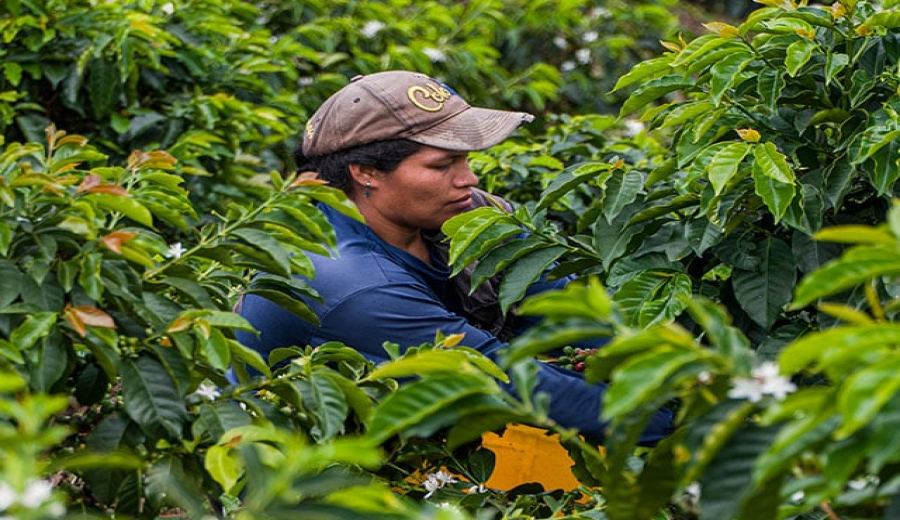
Colombia is located in the northwest of South America, with a terrain dominated by the Andes Mountains. Most of the country’s coffee-growing areas are situated at elevations between 1,200 and 2,000 meters above sea level. Among them, Huila Province is located in the southern section of the central mountain range in southern Colombia. Not only does it have an elevation exceeding 1,500 meters, but it is also the confluence of several major rivers, offering abundant water sources and a suitable microclimate, creating ideal conditions for coffee cultivation.
Colombian coffee is predominantly Arabica, known for its stable quality and distinct flavor. Traditionally, washed coffee from the Huila region typically exhibits a rich and balanced mouthfeel, with dark chocolate notes accompanied by caramel sweetness. The acidity is mild yet layered. These flavor characteristics make Huila washed beans a popular starting point for many coffee enthusiasts seeking to understand the flavor profile of Colombian coffee.
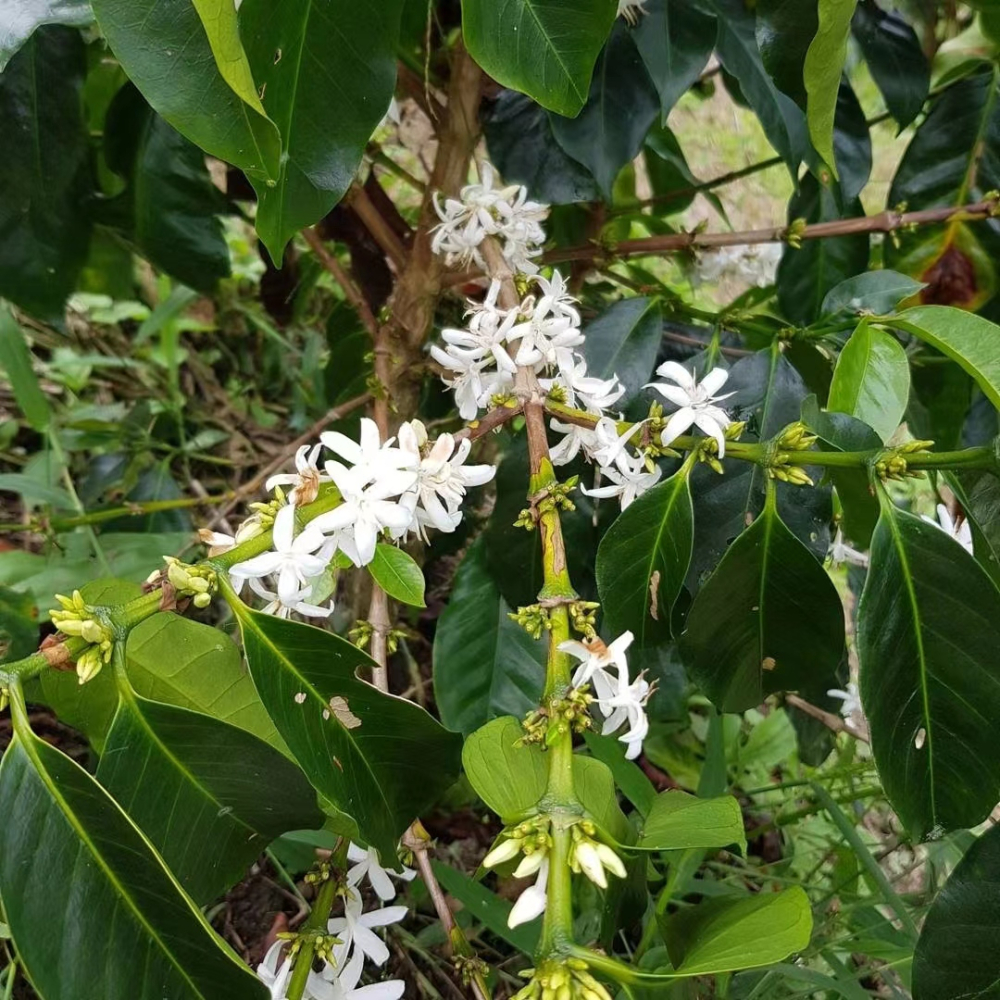
In terms of processing methods, most Colombian coffee still uses washed processing, which is also the mainstream technique in the Huila region. The washed process includes steps such as flotation to remove defective beans, pulp removal, fermentation to eliminate mucilage, followed by rinsing with clean water and drying. The fermentation stage generally lasts 16 to 36 hours. Through microbial action, the mucilage is broken down, making the coffee beans easier to dry while delivering a cleaner, brighter acidity and clearer flavor expression.
Compared to traditional washed processing, anaerobic fermentation involves processing in a low-oxygen environment. Common methods include anaerobic natural, anaerobic enzyme washed, anaerobic double washed, and anaerobic honey processing. The anaerobic environment allows for more precise control over temperature, pH, and time during fermentation, thereby influencing the final flavor of the coffee. These techniques often bring out richer sweetness, complex fruit aromas, and even hints of wine or fermentation layers.
Taking anaerobic natural as an example, the process involves placing whole coffee cherries in a sealed container for prolonged fermentation under low temperatures (typically controlled at 10–15°C) and anaerobic conditions. The fermentation time usually exceeds three days. This process slows down the breakdown of sugars, resulting in a more concentrated sweetness and balanced flavor. After fermentation, the coffee cherries are sun-dried, and the pulp and skin are removed afterward. This technique often yields intense fruit jam-like flavors and fermentation aromas, with rich flavor layers and outstanding sweetness.
In terms of actual tasting, Colombian coffee processed via anaerobic natural often delivers noticeable flavors of strawberry jam, ripe berries, and liqueur-like chocolate. The acidity is gentle with a juicy sensation, and the aftertaste is long-lasting with a rich sweetness. It is an excellent choice for coffee lovers who enjoy fruity and sweet profiles.

If brewing medium-to-dark roasted Colombian Huila washed or anaerobic beans using a pour over method, it is recommended to use a medium-coarse to medium grind size and control the water temperature around 90°C to reduce the risk of over-extraction. For example, the KONO filter cone, with its unique rib design, extends the contact time between water and coffee grounds, helping enhance body and extraction efficiency. A three-stage pouring method is recommended, with a coffee-to-water ratio of approximately 1:15 and total extraction time kept to around 2 minutes. This approach fully highlights the chocolate, nut, and caramel aromas of the coffee, resulting in a smooth mouthfeel and comfortable aftertaste.
In summary, Colombian coffee is more than just a synonym for balance and body. Through combinations of different regions and processing methods, it can present a diverse array of flavor profiles. The washed beans from the Huila region showcase classic cleanliness and sweetness, while anaerobic fermentation technology injects new vitality into Colombian coffee. Whether you’re a beginner or an advanced coffee enthusiast, you’re sure to find your preferred flavor within this spectrum.
The above content is compiled by CoffeeHunters, a coffee news website.


