







Introduction:Delve into the unique flavor origins of Sumatra Mandheling coffee, exploring the geographical and processing differences between the two major producing regions of Lintong and Aceh, as well as understanding the rigorous selection criteria and triple hand-picking process of PWN Golden Mandheling. This article also details the medium-dark roasting strategy of a certain coffee shop and provides practical pour-over parameters suitable for the KONO filter, helping you fully grasp the charm of this classic Indonesian coffee.
As an important representative of the second wave of coffee, Mandheling coffee is beloved by seasoned coffee enthusiasts for its rich body, low acidity, and subtle sweetness. This coffee originating from Sumatra, Indonesia, has long become an indispensable item on many people’s coffee lists. To truly understand Mandheling, we need to analyze it step by step—from its regional background, evolution of processing methods, bean grading, to roasting and pour-over strategies.
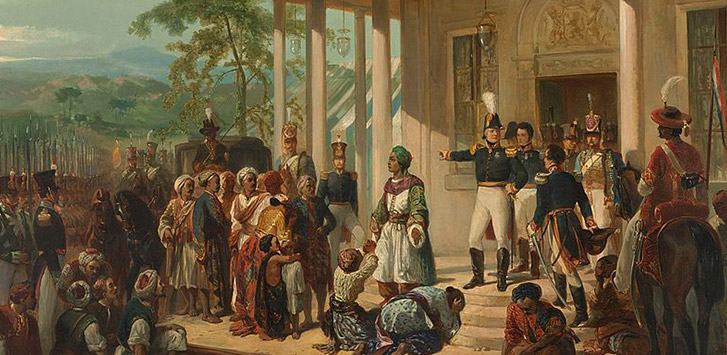
As a globally renowned Arabica coffee-producing region, the formation of Sumatra’s Mandheling flavor is closely tied to the area’s colonial history. As early as the late 17th century, the Dutch East India Company introduced Arabica varieties from India to Java Island, which were then gradually promoted to Sumatra and Sulawesi. However, the leaf rust disease outbreak in the early 20th century led Java to shift toward the more disease-resistant Robusta, while Sumatra continued to develop its high-quality Arabica beans—what we now know as Mandheling.
Among the many producing regions in Sumatra, Lintong and Aceh are the two most representative areas. Lintong, located in North Sumatra Province, is the traditional heartland of Mandheling. Its wet-hulled processing method gives the coffee intense herbal, woody, and chocolatey aromas, along with distinctive notes reminiscent of camphor and pine.The Aceh region, on the other hand, has gradually emerged since the introduction of Arabica varieties in 1924, with flavors that are relatively brighter and with lighter herbal tones.Amid the trend of global warming, it has even greater potential to become a future mainstay Mandheling-producing region.
When discussing Mandheling processing methods, one cannot overlook the wet-hulling method. Due to Sumatra’s year-round hot and humid climate, sun drying can easily lead to over-fermentation, while washed processing is limited by water availability and equipment costs. As a result, the locals developed the wet-hulling method: first removing the pulp and skin, allowing the parchment-covered beans to briefly ferment to reduce acidity (some processing facilities even skip the fermentation step to maintain stability). Then, the semi-dried parchment beans have their outer layer scraped off, exposing the green beans directly to air for accelerated drying. This process, due to friction and high heat, often produces complex, bold aromas like woodiness and earthiness.
Among the many Sumatra Mandheling coffees, PWN Golden Mandheling is a true classic. This coffee is strictly selected frombeans sized 18 mesh or above, G1 grade,meaning fewer than 3 defective beans per 300g sample, and undergoes three rounds of manual hand-picking to ensure quality. Such stringent selection results in a purer sweetness and cleaner profile in the Golden Mandheling, with a more refined balance between bitterness and body. Although there are many products on the market claiming to be "Golden Mandheling," only those produced through PWN’s rigorous process can truly showcase its delicate nuances and layered complexity.
Compared to the high standards and rarity of Golden Mandheling, Lintong Mandheling offers a more affordable option, yet still retains the signature bold foundation unique to Sumatra. Whether you’re pursuing classic flavors or aiming to explore regional differences, these two beans are excellent entry points for understanding Mandheling.
In terms of roasting strategy, a certain coffee shop opts for medium-dark roasting to highlight the classic characteristics of Mandheling—emphasizing its herbal, dark chocolate, and nutty layers while preserving a rich body. Light roasting, while able to accentuate acidity and fruity notes, can easily mask the most captivating boldness and earthy tones of Mandheling. Therefore, medium-dark roasting becomes the ideal choice to showcase its personality.
For medium-dark roasted Mandheling, it is recommended to use the KONO filter along with the following pour-over parameters to optimize extraction:Water temperature around 88°C, 15g coffee dose, 1:15 coffee-to-water ratio, grind size suggested to be around 70% passing through a 20-mesh sieve in China (close to medium-fine grind).The KONO filter features a smooth inner wall and minimal short ribs, effectively slowing down the filtration speed and extending the coffee extraction time, thereby enhancing the body and concentrating the flavors—particularly suitable for medium-dark roasted beans.
The specific brewing process is recommended as follows: first pour 30g of hot water for a 30-second bloom, then continue pouring with a thin stream in small circles from the center outward until the total brew water reaches 125g. When the water level drops to the surface of the coffee bed, continue pouring in circles until reaching 225g total, with the entire extraction time controlled at about 2 minutes. This method effectively avoids over-extraction while bringing out the chocolatey, caramel, and woody aromas of the Mandheling.
In summary, Sumatra Mandheling, with its unique regional characteristics and processing methods, creates an irreplaceable coffee flavor. Whether you opt for the classic richness of PWN Golden Mandheling or the more approachable Lintong Mandheling, you can experience the deep essence of Indonesian coffee. Mastering the right roasting and pour-over techniques will further unlock the layers and charm of this classic coffee.
The above content is compiled by CoffeeHunters, a coffee news website.


