







Introduction:Geisha coffee is renowned for its distinctive floral and fruity aromas as well as its bright acidity, yet the profiles of Geisha from Panama and Ethiopia vary greatly. This article delves into the flavor profiles and varietal origins of Geisha from these two regions, offering expert pour-over brewing recommendations to help coffee enthusiasts master the golden extraction parameters for medium-light roasts, fully showcasing the delicate layers of Geisha.
Before the rise of specialty coffee, Jamaica Blue Mountain and Hawaii Kona long dominated as the top choices among coffee lovers due to their rich and full-bodied flavors. However, as the coffee market became increasingly diverse, Geisha quickly rose to fame in the premium segment with its refined acidity and elegant floral notes, even becoming synonymous with high quality and high price.
The Unique Charm of GeishaLies in its refreshing and vibrant taste, which particularly aligns with modern consumers' pursuit of layered complexity. However, even when both are labeled as Geisha, the expressions from Panama and Ethiopia are markedly different, showing significant variations in flavor profiles and processing styles.
Take Panamanian Geisha as an example: its most prominent characteristics are the rich aromas of rose and jasmine, bright acidity with citrusy notes, a clean and transparent mouthfeel, and distinct layers. With precise roasting, it often exhibits a silky texture and a delicate aftertaste. In contrast, Ethiopian Geisha may lack some of that refined finesse but makes up for it with a wealth of fruity and spicy layers—commonly featuring red berries, nutty sweetness, and a tea-like soft finish.
Many coffee enthusiasts wonder:Are Geisha from Panama and Ethiopia the same variety?The answer is not simply yes or no. Tracing back to its roots, the Geisha variety was first discovered in the Gesha region of Ethiopia in the 1930s, where the collected plants originated from local forests and markets, resulting in a complex genetic makeup. These seeds were later taken to Kenya, Tanzania, and other places for cultivation, eventually finding an ideal growing environment in Panama.
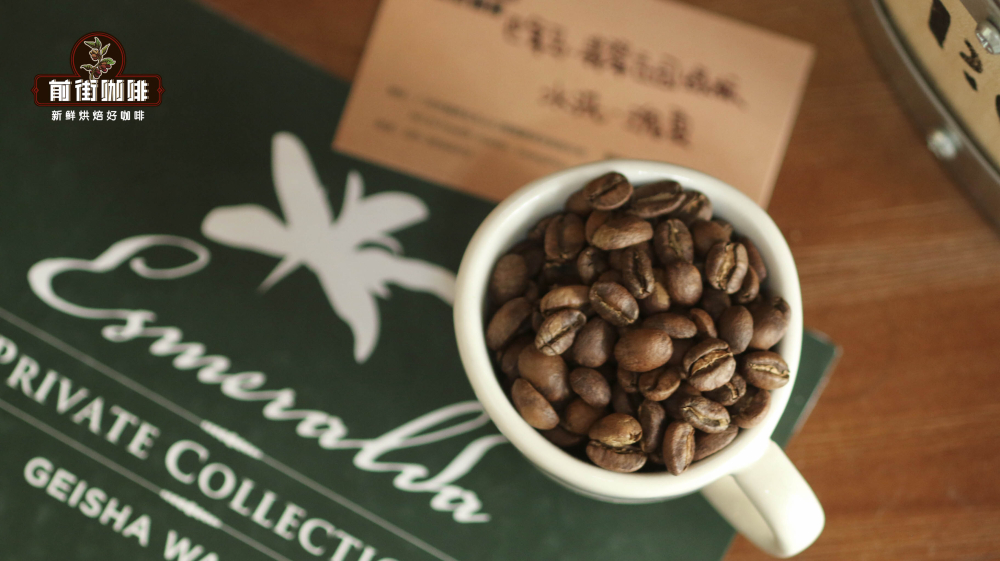
In 2003, Panama’s Hacienda La Esmeralda unexpectedly discovered the potential of this variety. The following year, it participated in the Best of Panama competition and won first place with an astonishing score of 94.6, propelling Geisha to fame overnight. In recent years, Ethiopia has also replanted Geisha near the original forest in what is now known as the “Geisha Village.” While some of the varieties bear similarities to those in Panama, the lack of the same domestication process means there are fundamental differences in flavor expression between the two regions.
For coffee lovers, no matter which region’s Geisha you choose,a medium-light roast is key.This level of roasting preserves the coffee bean’s bright acidity and fruity-floral aromas while maintaining bean hardness, which aids in extracting a richer range of flavors. However, medium-light roasted beans are denser and can easily sink and clog the filter during pour-over brewing. It is recommended to use a coarseness with about 78% 20-mesh sieve passing rate (similar to fine sugar), with water temperature controlled at 90–91°C to avoid over-extraction or channeling.
In practice, it is recommended to use 15 grams of coffee grounds with a 1:16 coffee-to-water ratio, performing a three-stage pour using a Hario V60 small filter. Start by pouring 30 grams of water for a 30-second bloom, then circle-pour up to 125 grams, wait for the water level to drop halfway, and continue pouring up to 225 grams. The total extraction time should be around 2 minutes and 10 seconds to 2 minutes and 20 seconds. This parameter effectively balances the acidity, sweetness, and bitterness, highlighting the unique flavor profile of Geisha.
The above content is compiled by CoffeeHunters, a coffee news website.


