







Introduction:The water temperature setting for pour over coffee is one of the key factors that influence flavor expression. Many coffee enthusiasts know that lighter roasts suit higher temperatures while darker roasts are better with lower temperatures, but there is often a discrepancy between the water temperature in the kettle and the actual temperature of the coffee grounds during extraction. This article uses measured data to analyze the relationship between temperature settings and extraction temperatures, and provides practical tips to help you more accurately control brewing parameters and extract coffee with your desired flavors.
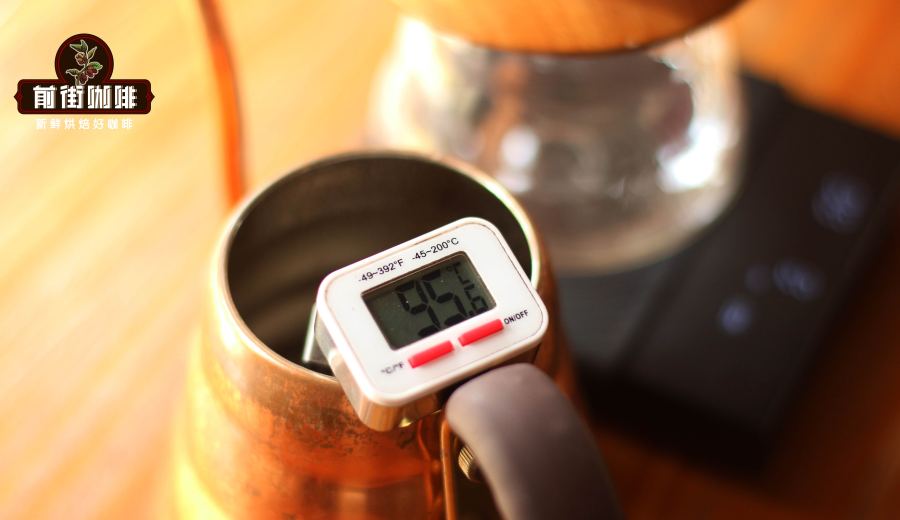
During the pour over process, the setting of water temperature has always been a focal point for many coffee lovers. The generally recommended brewing temperature range falls between 86°C to 93°C . Lighter roasted coffee beans are usually suitable for higher temperatures, while darker roasted beans are advised to use lower temperatures. However, the temperature displayed in the pouring kettle does not equate to the actual extraction temperature that the coffee grounds experience.
In fact, according to measured data, when the water temperature inside the pouring kettle is 90℃ , the actual temperature within the coffee grounds that participates in extraction is only between 84.5°C to 86°C , showing a noticeable temperature difference. This discrepancy mainly stems from the heat absorbed by the coffee grounds, the absorption by the filter, and the cooling effect of the water stream in the air.
This temperature gap in brewing should not be overlooked. For example, a customer was able to accurately identify the name of the coffee beans he was tasting because he had brewed similar flavors at home using comparable parameters. He mentioned that the coffee performed best when using a water temperature of 93℃ , but in reality, the coffee shared at that time was brewed using a water temperature of 90℃ .
When setting brewing parameters, adjustments are made based on the roast level and flavor characteristics of the coffee beans. Generally speaking, the higher the water temperature, the better the extraction efficiency, but it can also easily release excessive bitter and astringent substances. Therefore, for medium to dark roasted beans, it is recommended to use a lower brewing water temperature, such as 87°C to 88°C, to suppress the release of unnecessary off-flavors.It’s worth noting that even when using the same coffee beans, by adjusting parameters such as grind size and water temperature, similar flavor profiles can be achieved. However, can the same effect be achieved simply by changing the water temperature? This requires a deeper understanding of the relationship between water temperature settings and actual extraction temperatures.
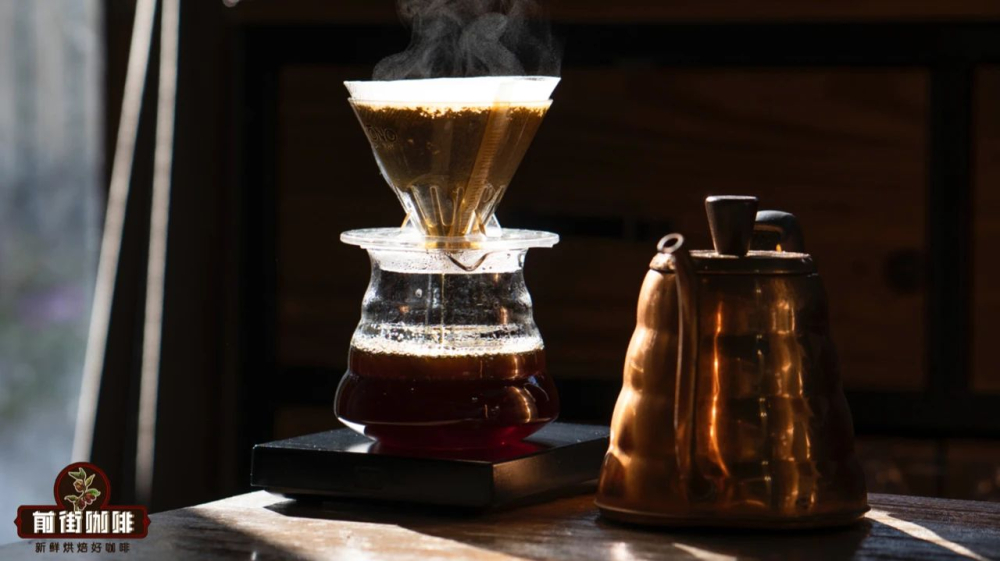
The brewing water temperature we often refer to usually means the initial temperature of the water in the kettle. But in reality, when the water comes into contact with the coffee grounds, the temperature within the coffee bed decreases due to various factors. To verify this phenomenon, a temperature measurement experiment was conducted.
In the experiment, a wire thermometer was fixed within the coffee grounds to observe temperature changes under different water temperatures. When brewing with 90℃ , the temperature of the coffee bed initially rose to 85℃during the blooming phase, then dropped to 78℃after the first pour, rose again to 85℃after the second pour, and finally stabilized between 84.5°C to 86.2°C .
When using an initial water temperature of 93℃ , the coffee bed temperature initially rose to 86.3℃during blooming, dropped to 83℃after the first pour, rose to 87℃after the second pour, and finally stabilized between 85°C to 88°C . These data show that although the initial water temperatures differed by 3℃, the actual extraction temperature difference was not significant.
However, through taste testing, it was still possible to distinguish the impact of different water temperature settings on flavor. So how does the temperature difference between the initial water temperature and the actual extraction temperature arise? The main reasons include heat absorption by the coffee grounds, absorption by the filter, and cooling of the water stream in the air. These factors cause the water temperature to drop before it even contacts the coffee grounds.
To reduce this temperature difference, complex techniques are not actually needed. Simply adjusting the pouring height can effectively accelerate heat loss. In the experiment, the pouring height was increased from the usual 3–4 centimeters to 7–8 centimeters. Using a water temperature of 93℃ for brewing, the results showed that the coffee bed temperature was closer to the effect achieved with a water temperature of 90℃ .
In summary, although the water temperature setting for pour over coffee is important, what matters more is understanding the relationship between the initial water temperature and the actual extraction temperature.
The above content is compiled by CoffeeHunters, a coffee news website.


