







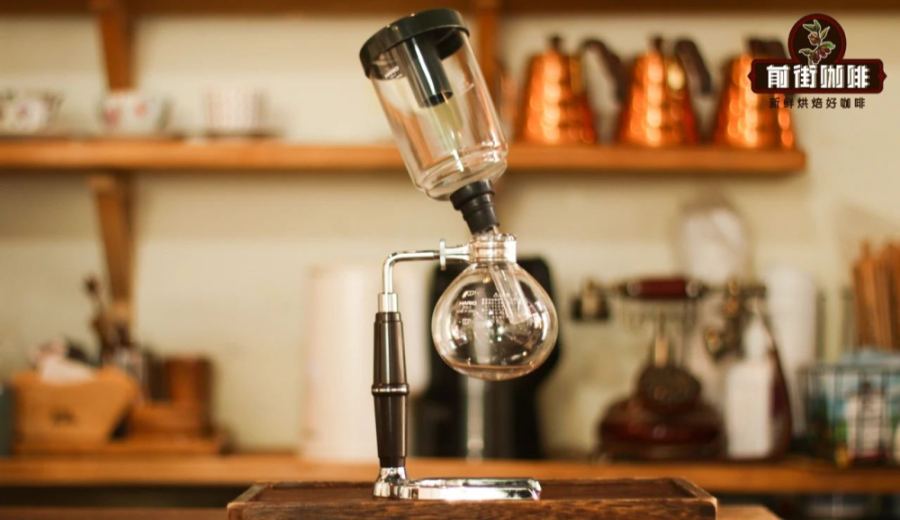
Introduction:Coffee brewed with a siphon pot has a rich body and intense aroma, making it a classic brewing device cherished by many coffee enthusiasts. But do you know which coffee beans are best suited for siphon extraction? This article delves into the history, structure, and filtration system of the siphon pot, and provides a detailed explanation of the operation steps and key techniques to help you choose the right beans and brew your ideal flavor.
In the world of coffee, each brewing tool has its unique charm. Some people are fond of the clear layers of pour over, while others prefer the simplicity of a French press. The siphon pot (also known as a vacuum pot) stands out with its rich and bold flavor and the ceremonial brewing process. This device, which operates on the principle of thermal expansion and contraction, was invented as early as the beginning of the 19th century, predating modern pour over methods.
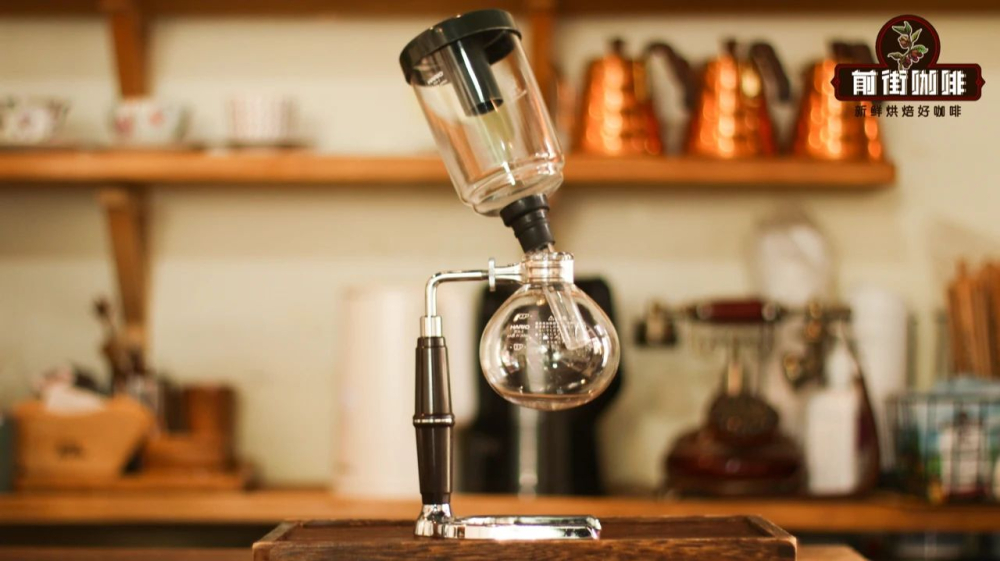
The brewing process of the siphon pot is full of drama: heating the lower chamber generates steam pressure, pushing hot water up into the upper chamber where it mixes with the coffee grounds. As the temperature drops, the coffee liquid is then drawn back down into the lower chamber through vacuum suction. This unique extraction method can bring out the deep flavor characteristics of the coffee beans, especially highlighting a full body and sweet notes.
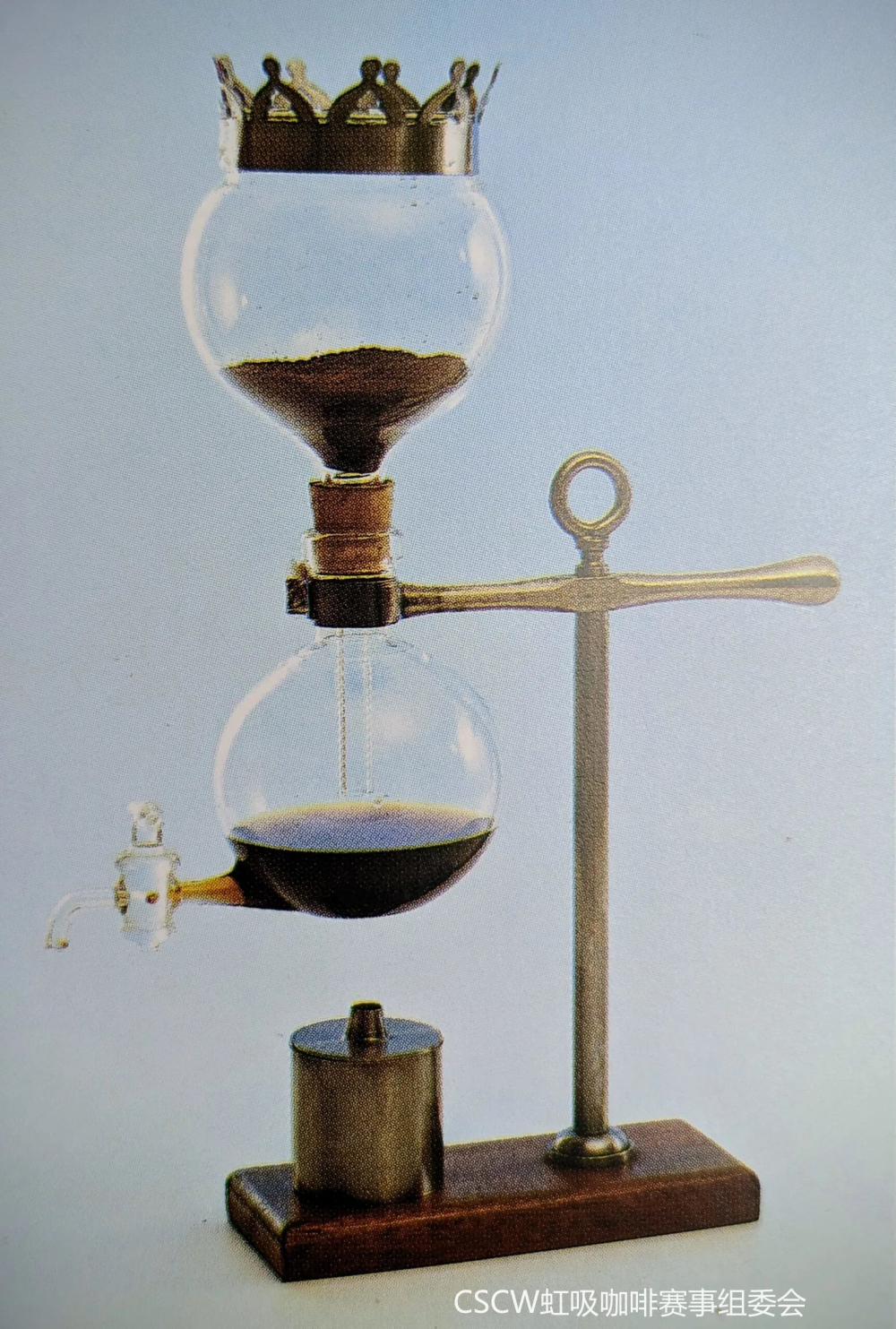
The origin of the siphon pot can be traced back to 1826. German physicist Johann Norremberg initially created a prototype merely to demonstrate the power of steam and did not apply for a patent. It wasn’t until 1842 that French inventor Marie Fanny Amelne Massot improved the design with an up-and-down convection system and obtained a patent, bringing the device to the market. Interestingly, around the same time, Scottish engineer Robert Napier also designed the Napier Coffee Pot based on a similar principle, which also did not receive patent protection.
The most suitable types of coffee beans for siphon pots: It is recommended to choose medium to dark roasted or dark roasted beans, especially Mandheling or Java from Indonesia, or Sumatra from Central and South America. These beans have a solid body and distinct spice and chocolate notes, which interact excellently with the siphon pot’s extraction method. While light roasted beans with prominent fruit acidity can also be used, it is important to control water temperature and brewing time to avoid over-extraction.
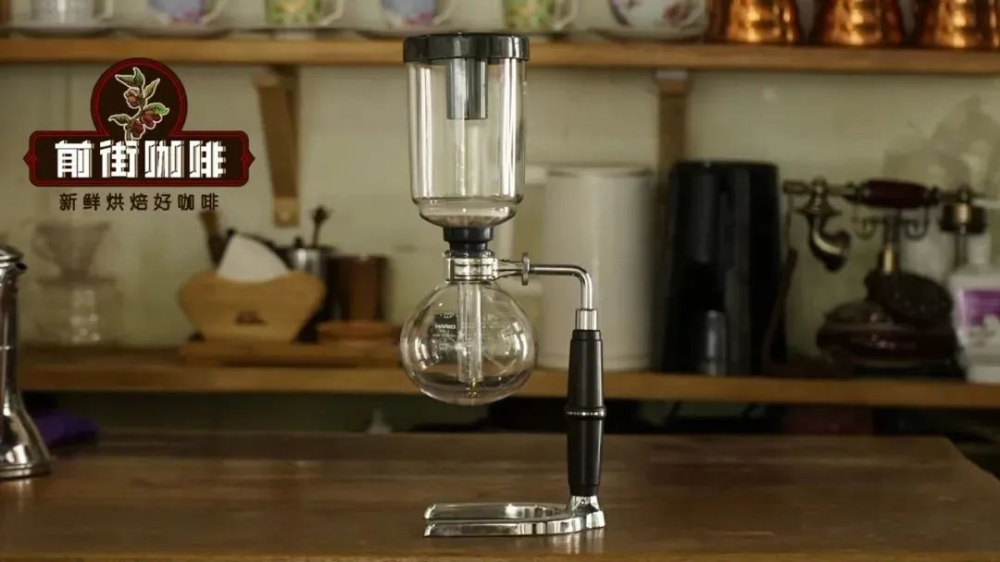
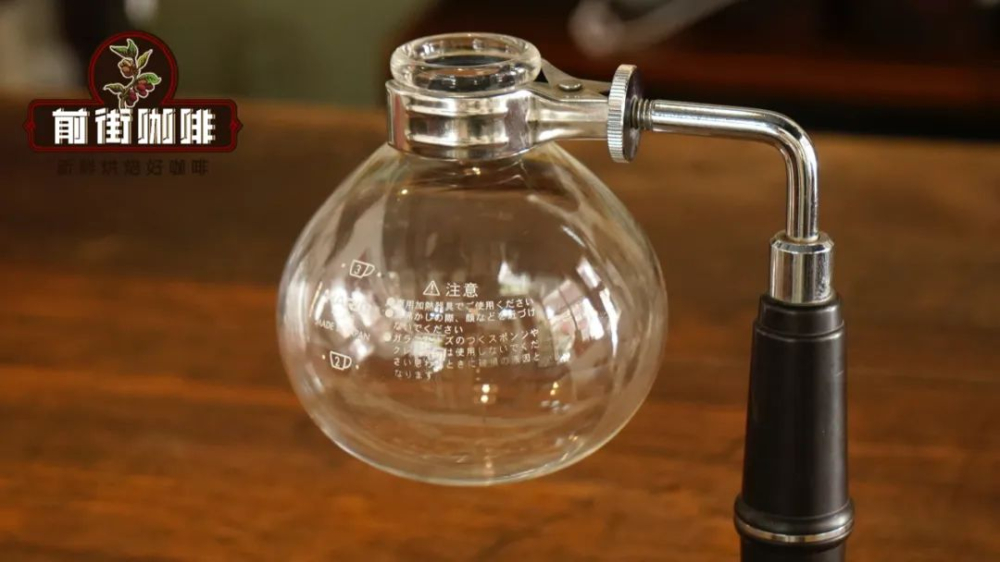
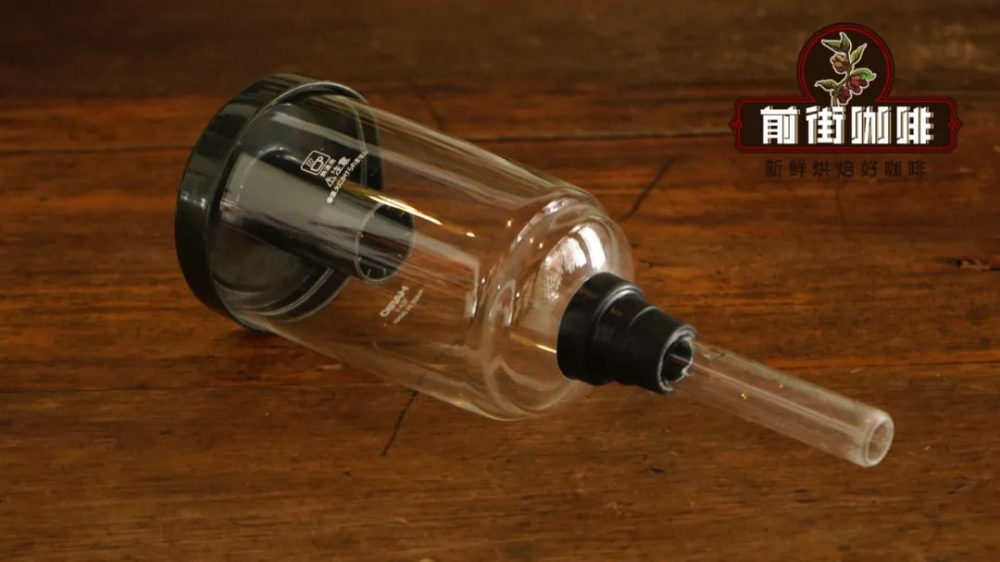
The main structure of a siphon pot consists of three parts:Upper chamber (cylindrical, with a narrowed bottom connected to a thin tube),Lower chamber (spherical design ensures even heat distribution), andmetal stand. Pay special attention to the slender tube at the bottom of the upper chamber, whose diameter gradually narrows from top to bottom. This design effectively controls the speed of reflux and the pressure of extraction.
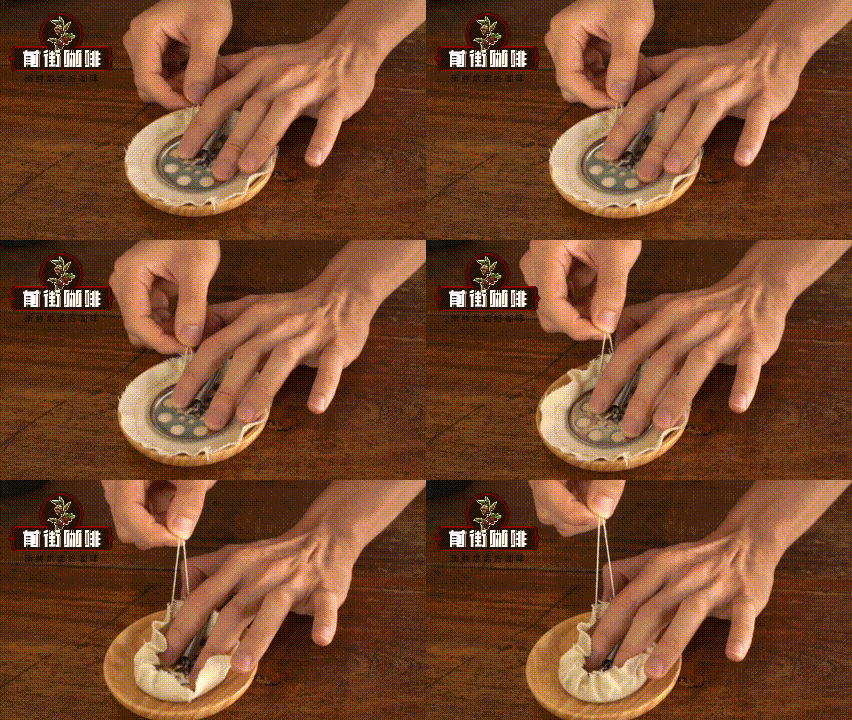
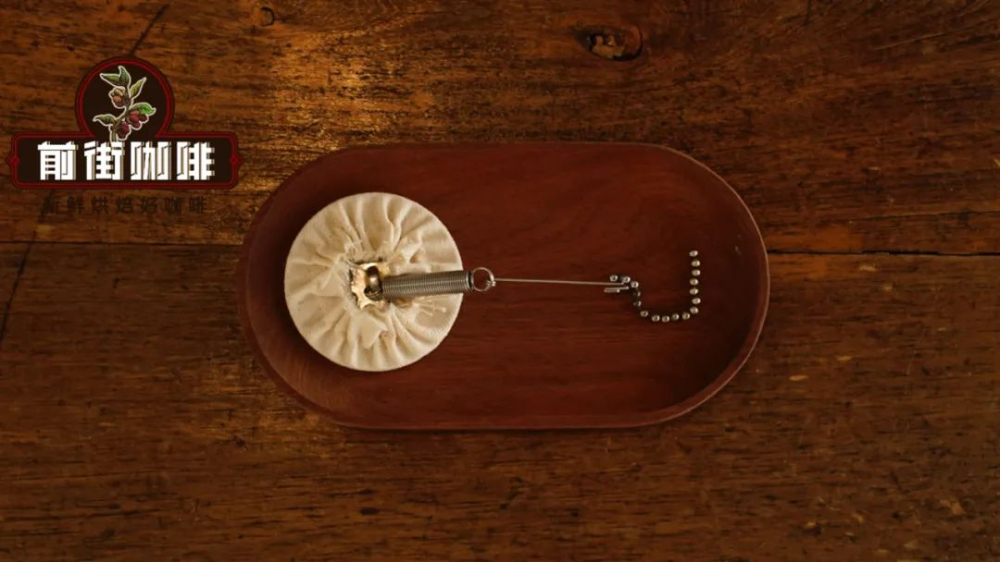
The filtration system is a key component of the siphon pot. Traditionally, it usesa round metal filter with a spring and a flannel filter cloth. Before use, the filter cloth must be tightly wrapped around the filter and securely fastened. It is recommended to choose a high-quality filter cloth of moderate thickness, which can effectively filter fine particles without overly affecting the flow rate. New filter cloths should be pre-rinsed with hot water before first use to remove impurities.
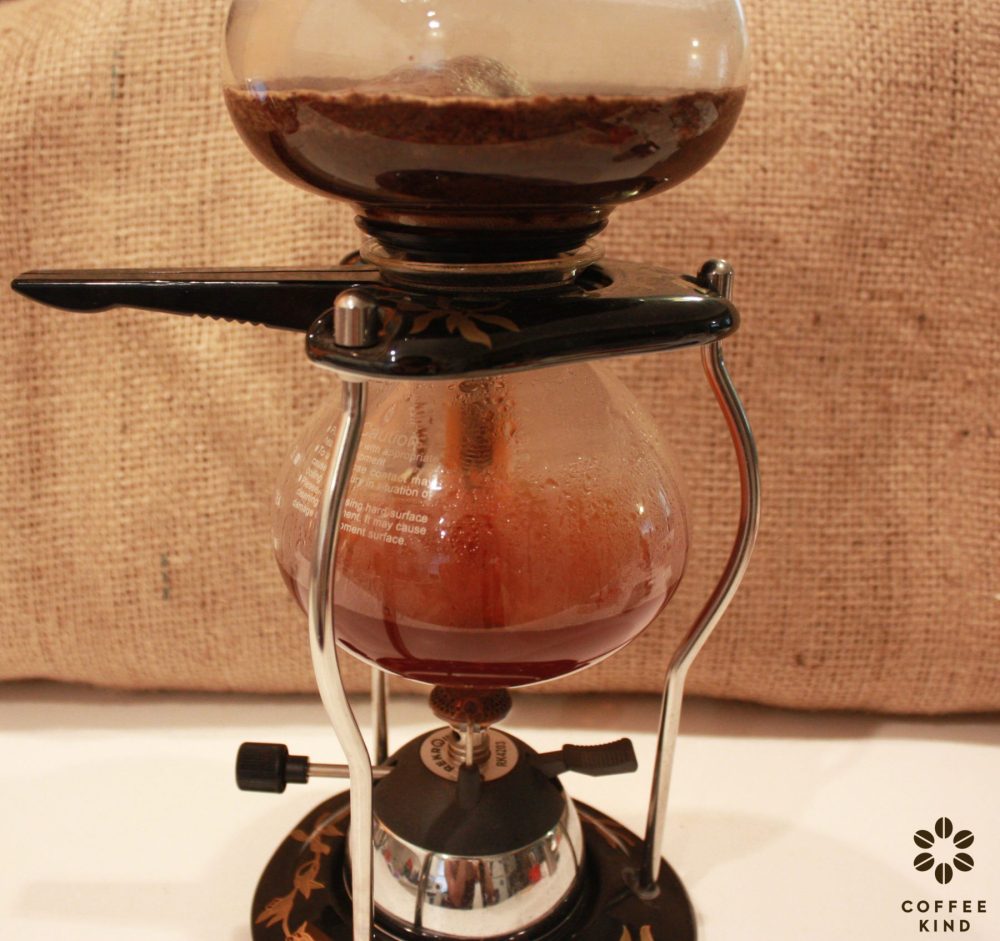
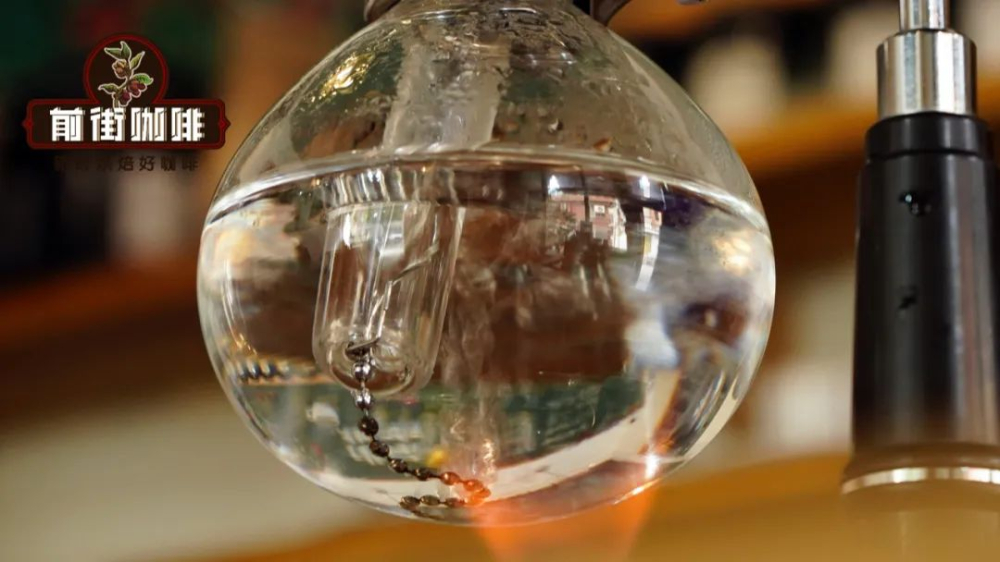
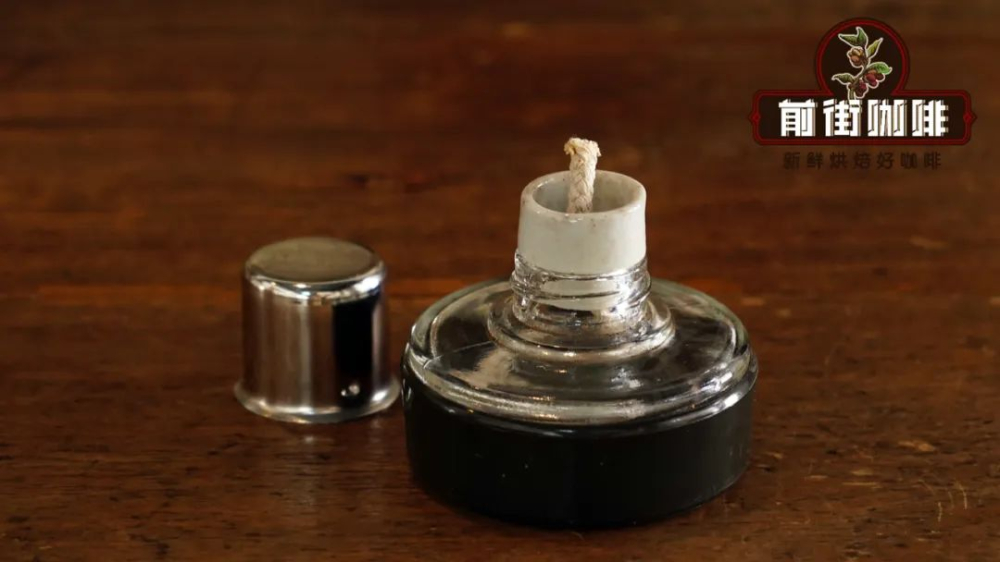
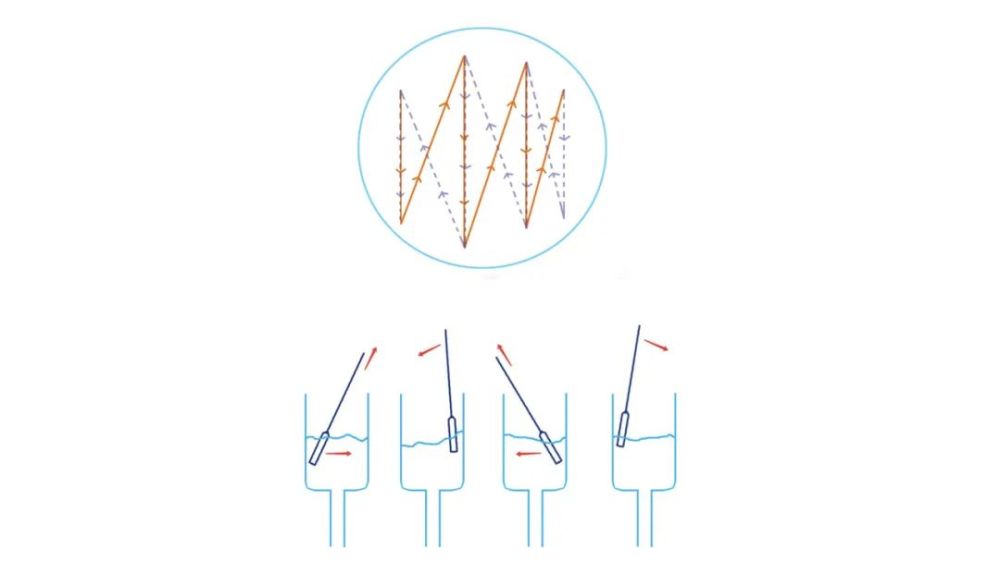
During actual operation,water temperature control is crucial: it is generally recommended to maintain the lower chamber water temperature between 90-93°C, and for dark roasted beans, it can be slightly lower at 88-90°C. During heating, maintain a stable flame. Once the water has completely risen to the upper chamber, it is recommended to wait about 30 seconds to allow the coffee grounds to bloom fully before starting to stir.
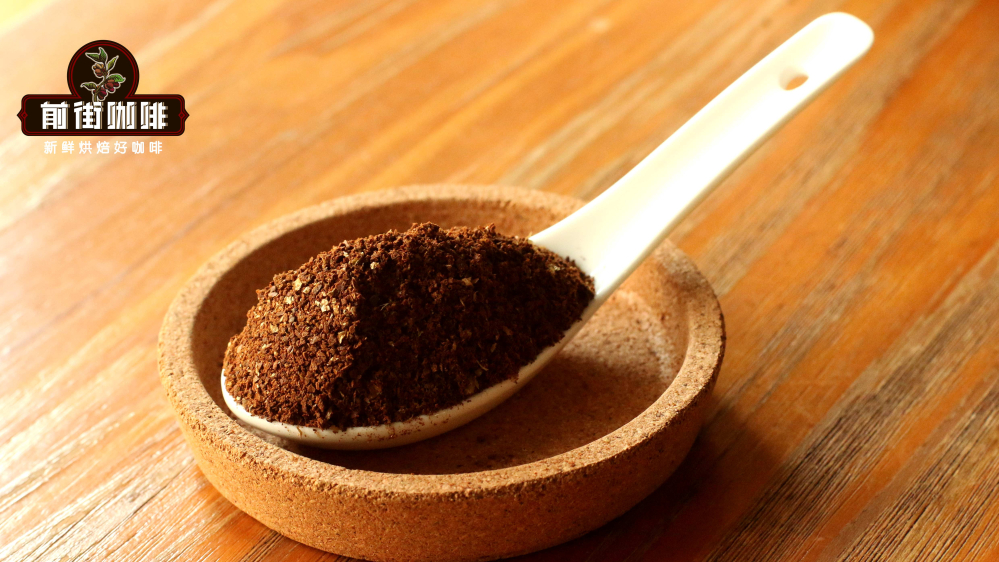
In terms of grind size, the siphon pot is suitable formedium-fine grinding (between pour over and French press), roughly slightly coarser than restaurant table sugar. Grinding too fine can lead to over-extraction and channeling, while grinding too coarse may result in under-extraction. It is recommended to use a flat burr grinder to achieve a more uniform particle distribution.
Mastering the brewing time is also key:the total extraction time is recommended to be controlled within 60-90 seconds. Too long a steeping time can lead to the release of excessive bitter substances, while too short may result in under-extraction. Judging the right moment to turn off the heat requires experience; generally, when you notice the coffee liquid clearly beginning to reflux, it is time to extinguish the flame.
Common causes of failure include:excessively high heat causing violent boiling,uneven stirring leading to localized over-extraction,improper filter cloth installation causing fine particles to pass through, etc. It is recommended that beginners start with medium roasted beans to practice the basic process, and then try beans from different regions and processing methods once familiar.

Regarding coffee bean storage, siphon pot brewing is particularly well-suited for freshly roasted beans (7-21 days after roasting). If using pre-ground coffee, ensure it is used within 20 minutes of grinding to achieve the best flavor. For storage, it is recommended to use aluminum foil packaging with a one-way degassing valve and keep it in a cool, dry place.
Cleaning and maintenance of the siphon pot are equally important. After each use, it should be disassembled and cleaned immediately, paying special attention to residual coffee oils on the filter cloth. Over time, the inner wall of the lower chamber may develop coffee scale, which can be cleaned regularly by soaking in a citric acid or white vinegar solution. Metal parts should be wiped with a soft cloth to avoid scratching the surface.
For those looking to advance their skills, the following parameters can be adjusted:changing the coffee-to-water ratio (common range 1:12 to 1:16),experimenting with different stirring techniques(single-circle stirring vs. double-circle stirring),fine-tuning the heat curve, etc. These subtle adjustments can significantly impact the final flavor profile.
In summary, although the siphon pot has a relatively high learning curve, once the technique is mastered, it can consistently produce coffee with a unique character. Whether for home use or café display, this science-driven brewing method can add a distinctive乐趣 to the coffee experience.

The above content is compiled by CoffeeHunters, a coffee news website.


