







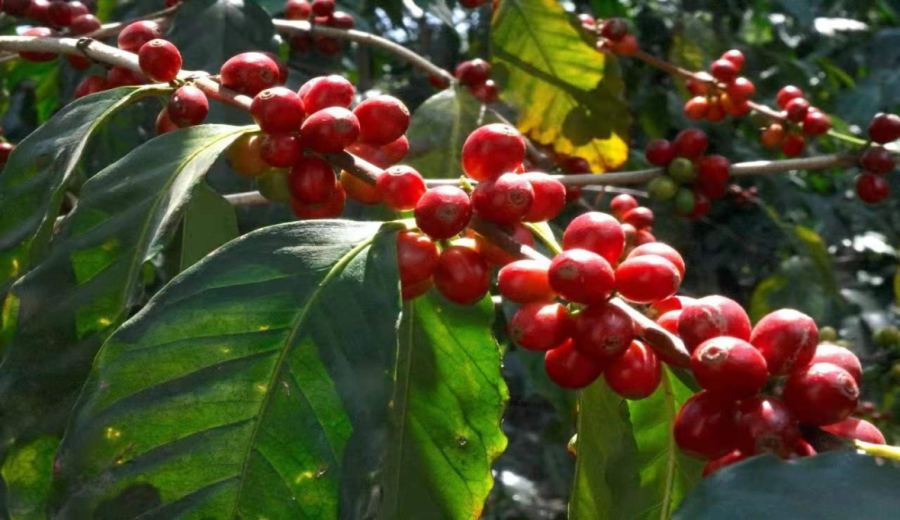
Introduction:Although Honduras is not the most globally renowned coffee origin, it has carved out a niche in the specialty coffee scene thanks to its exceptional geographical conditions and innovative barrel-aged fermentation processing. This article delves into the terroir differences across Honduras’ six major producing regions, introduces the characteristics of mainstream varieties such as Caturra and Catuai, details the unique flavor profiles of two barrel-aged coffees—Sherry and Laila Lang—and provides practical pour-over brewing parameters to help you fully appreciate the allure of this Central American country’s coffee.
When Honduras is mentioned, many coffee enthusiasts may first think of its iconic barrel-aged fermentation processing, particularly coffees aged in whiskey or brandy barrels that develop intense aromatic layers of wine and fruity sweetness, such as the famous Sherry and Laila Lang coffees. This innovative technique allows Honduran coffee to stand out in the specialty market, even without the abundance of native varieties found in Ethiopia.
Honduras’ natural conditions are highly suitable for coffee cultivation. Over three-quarters of the country consists of mountains and plateaus, with a cool climate and abundant rainfall. Located within the Coffee Belt, it enjoys an average annual temperature of around 23°C, making it ideal for Arabica coffee growth. The terrain is predominantly mountainous with basins, featuring numerous microclimates conducive to high-altitude coffee cultivation.
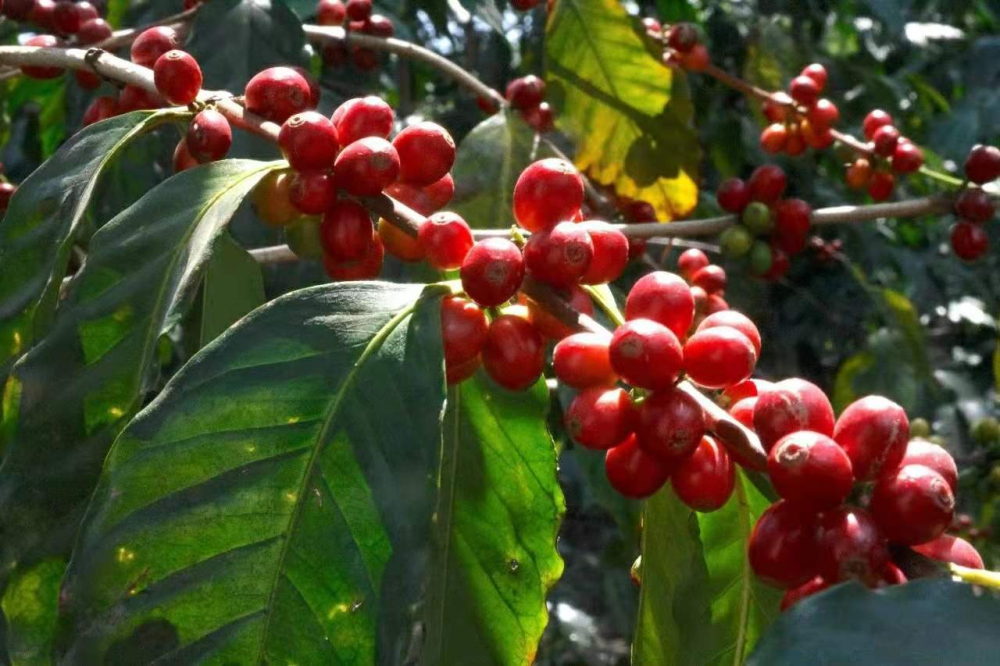
Approximately 280,000 hectares of land are used for coffee farming, most of which are smallholder farms under 3.5 hectares in size, accounting for over 60% of total production. Due to the rugged terrain, harvesting relies mainly on manual labor, but this also allows for more careful selection of ripe coffee cherries, helping to enhance the quality of the final beans. Honduras is currently one of the world’s top ten coffee-exporting countries, with major export markets including the United States and Germany.
The country’s coffee is categorized by altitude into two main grades: “High-Grown” (1,000–1,500 meters) and “Strictly High-Grown” (1,500–2,000 meters), with the latter generally regarded as representing top-tier quality. Honduras is divided into six major specialty coffee-producing regions, located in the west and south. Each region exhibits distinct flavor characteristics due to differences in altitude, microclimate, and soil composition.
1. Copán Region: Located at the border of Copán, Ocotepeque, and Lempira, it is known for flavors of chocolate, honey, and caramel, with less pronounced fruit notes. Coffee is grown at altitudes between 1,000 and 1,500 meters, with the harvest season running from November to March each year.
2. Opalaca Region: Covering areas of Santa Bárbara, Intibucá, and Lempira, it is famed for its bright acidity and tropical fruit flavors, such as grape and mulberry, along with distinct lemon notes and honey sweetness. The elevation ranges from 1,100 to 1,400 meters, and the harvest season is also from November to March.
3. Montecillos: Situated among La Paz, Comayagua, Santa Bárbara, and Intibuca, it is celebrated for its vibrant acidity, rich fruit and floral notes—especially peach and orange aromas—with a long-lasting finish and silky mouthfeel. The altitude is 1,200–1,600 meters, and the harvest season runs from December to April.
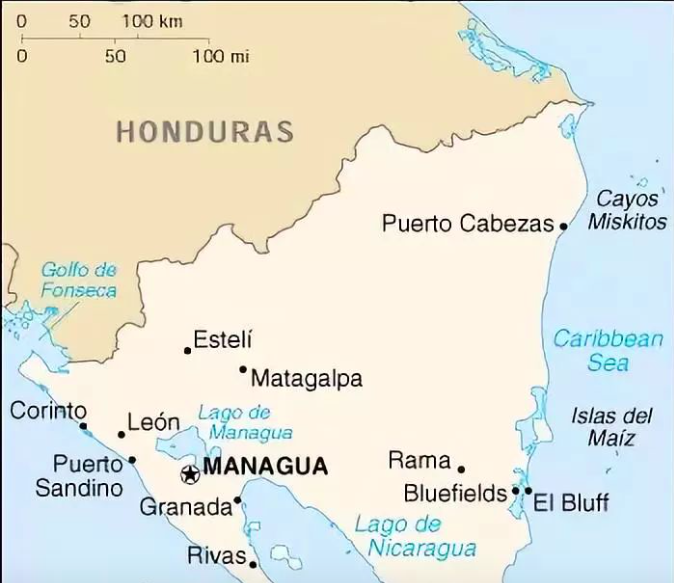
4. Comayagua: Located in the Comayagua and Francisco Morazán regions, it primarily showcases flavors of lemon, citrus, and creamy textures, paired with soft chocolate notes. The altitude ranges from 1,000 to 1,500 meters, with the harvest season from December to March.
5. Agalta Tropical: Spanning the eastern provinces of Olancho, El Paraíso, and Francisco Morazán, this ecologically diverse region produces coffee with dominant honey aromas, pronounced citrus notes, and pleasant acidity. The altitude is 1,200–1,500 meters.
6. El Paraíso: At an altitude of 1,100–1,400 meters, its flavors are relatively mild, characterized by soft fruit acidity, caramel aromas, and balanced taste profiles.
In addition to these six main regions, there are also smaller producing areas such as Santa Bárbara, Ocotepeque, Lempira, and La Paz, which hold development potential. Notably, the recently established “Honduras Western Coffee” association (HWC) in the western producing regions is the country’s first government-protected geographical indication (PGI), registered as a brand and intellectual property, symbolizing the uniqueness and quality assurance of the region’s coffee.
The primary coffee variety grown in Honduras is Arabica, with Caturra and Catuai being the most common. Caturra is a natural mutation of Bourbon, featuring a shorter plant height for easier harvesting, along with good acidity and flavor expression. Catuai is a hybrid of Caturra and the Mundo Novo variety, known for its high stability and yield. Additionally, Maracatu is another important variety, a natural mutation of Bourbon with slightly larger beans, also suitable for high-altitude cultivation.
When discussing the uniqueness of Honduran coffee, one cannot overlook barrel-aged fermentation processing. This technique was first popularized by Finca Mocha (located in the Masaguara region of Intibucá Province), an area with an average altitude exceeding 850 meters, and higher elevations reaching over 1,500 meters—ideal for growing high-quality coffee. Finca Mocha’s two flagship coffees—Sherry and Laila Lang—are processed through fermentation in different types of barrels, imparting distinctive wine-like aromas and sweetness.
The steps of barrel-aged fermentation processing are roughly as follows: On the day of harvest, the coffee cherries’ skins and pulp are first removed, followed by standard washed processing. The parchment-covered green beans are then placed in whiskey or brandy barrels and fermented at low temperatures for 30 to 40 days. After fermentation, the beans are taken out and sun-dried in the shade, taking care to avoid direct sunlight to prevent the evaporation of wine aromas or the development of undesirable acidity.
Here are practical pour-over recommendations for Honduran barrel-aged coffee: It is recommended to use a medium-light roast to highlight its fruity and wine-like characteristics. A V60 dripper is suggested, with a brew ratio of 1:15, a grind size of medium-coarse (similar to coarse sugar, or about 80% passing through a Chinese No. 20 sieve), and water temperature controlled around 91°C.
The specific steps are as follows: First, pour twice the amount of water by coffee weight (e.g., 60 grams of water for 30 grams of coffee) for a 30-second bloom to release CO₂. Then, slowly pour in a circular motion until the total water reaches 125 grams for the first pour, continue pouring to 225 grams, and then stop. Once the water has completely dripped through the dripper, remove it. The total brewing time is approximately 2 minutes. Finally, it is recommended to gently swirl the brewed coffee before pouring into the cup to achieve a more balanced flavor experience.
[Flavor Profile of Sherry Coffee]: Prominent vanilla and creamy aromas, with a complex flavor profile on the palate featuring whiskey, berries, almonds, and dark chocolate. The finish offers a sweet aftertaste reminiscent of maple syrup.
[Flavor Profile of Laila Lang Coffee]: The flavor is richer and more full-bodied, centered around cream, dark chocolate, honey, and lychee, with a clear brandy aroma, prominent sweetness, and an even more pronounced wine character as the temperature decreases.
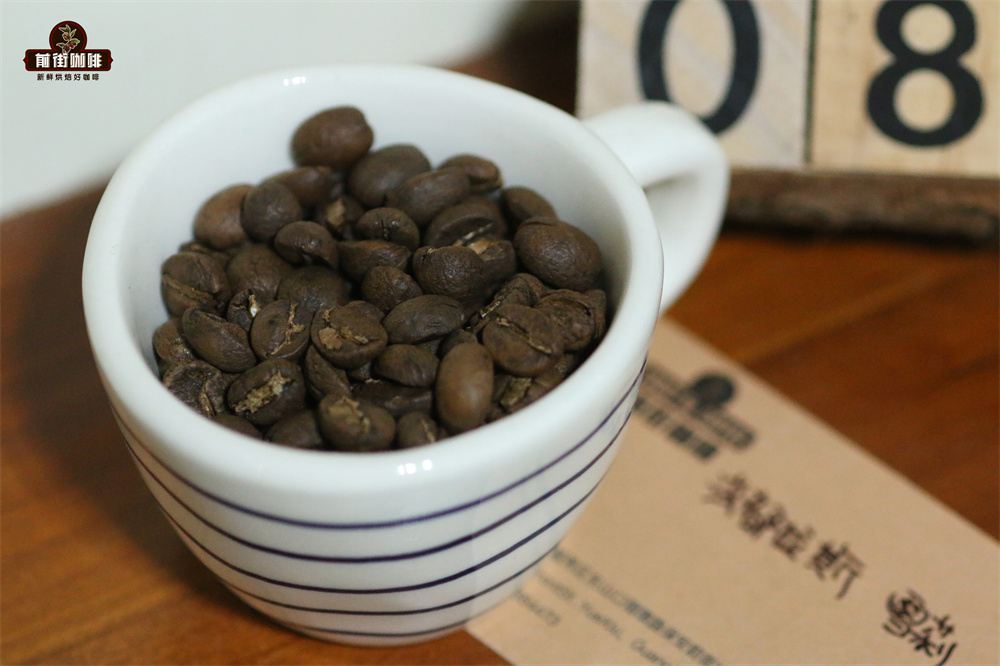
In summary, Honduran coffee stands as a significant player in the specialty coffee market, thanks to its diverse regional flavor profiles, stable production capacity, and innovative processing techniques. Whether you prefer bright, fruity coffees or those with deep, wine-like complexity, Honduras’ signature offerings can cater to a variety of palates. By understanding the characteristics of each region and the appropriate brewing methods, you can delve deeper into the essence of this Central American country’s coffee.
The above content is compiled by CoffeeHunters, a coffee news website.


