








Introduction:Jamaica Blue Mountain coffee is renowned worldwide for its balanced and mellow flavor, but many products labeled as "Blue Mountain" on the market are not actually from the Blue Mountains. This article delves into the growing environment, variety characteristics, two main processing methods (washed and natural), and provides the pour over parameters and actual flavor profile of a well-known shop’s Blue Mountain coffee beans, helping coffee enthusiasts identify high-quality Blue Mountain and master brewing techniques.
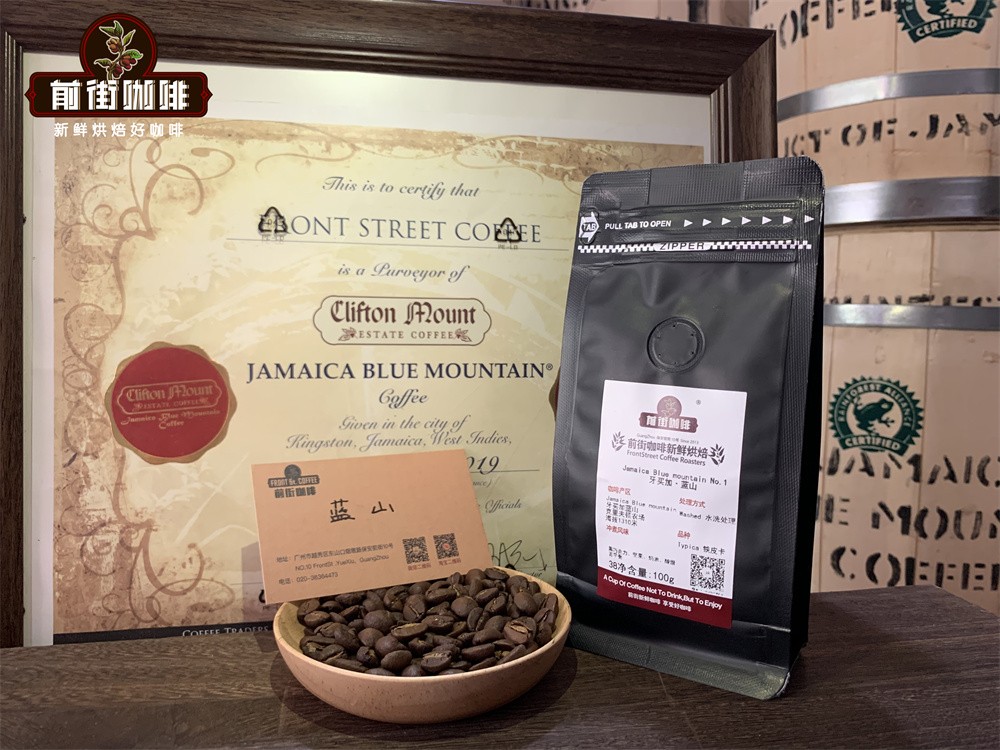
Blue Mountain coffee has long been hailed as the "queen of coffees," holding a distinguished place in the coffee world for its delicate balance and high acclaim. However, many products marked with the word "Blue Mountain" may not actually come from Jamaica’s official growing regions. True "Jamaica Blue Mountain Coffee" can only come from the Blue Mountains in eastern Jamaica, grown at elevations between approximately 1,000 to 1,700 meters, and processed using the traditional washed method with the Typica variety. Among them, a certain well-known shop’s Blue Mountain No.1 coffee beans not only hold official certification from the Jamaica Coffee Industry Board and Rainforest Alliance certification, but are also preserved in wooden barrels to maintain the beans’ optimal flavor.
The Unique Environment and Growing Conditions of Blue Mountain Coffee
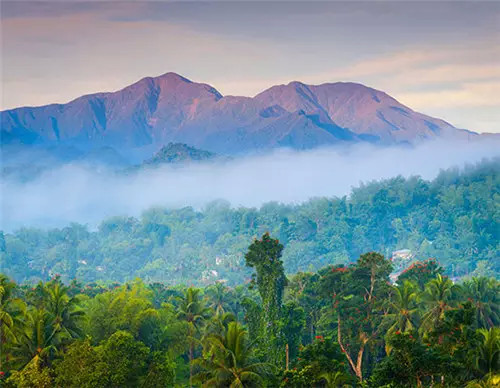
The Blue Mountains are located in the eastern part of Jamaica, surrounded by the clear waters of the Caribbean Sea. The mountains reflect a sapphire-like hue under sunlight, hence the name. The main peak reaches an elevation of 2,256 meters, the highest point in the Caribbean. This region is not only scenically magnificent but also the birthplace of Blue Mountain coffee. The area features a tropical rainforest climate with fresh, unpolluted air, an average annual rainfall of about 1,980 mm, and a constant temperature of around 27°C, along with fertile volcanic soil—all contributing to the unique aroma and taste of Blue Mountain coffee. Coffee trees are mainly planted on steep slopes, making harvesting difficult. It requires skilled female workers to select ripe fruits and carry out subsequent processes such as depulping, fermenting, washing, and drying on the same day to ensure quality.

What is "Authentic" Jamaica Blue Mountain Coffee?
Blue Mountain coffee does not refer to all coffee produced in Jamaica, but has strict regional limitations and grade classifications. According to the Jamaica Coffee Industry Board (CIB), only coffee grown in designated areas above 2,200 feet (about 670 meters) in the Blue Mountains can be called "Jamaica Blue Mountain." It is categorized into four grades based on bean size and physical defect rates: NO.1, NO.2, NO.3, and PB (Peaberry). Among these, NO.1 is the highest grade, requiring a bean size of 17 or above, a defect rate below 3%, and a moisture content of about 13%. A certain well-known shop’s Blue Mountain No.1 coffee meets these strict standards and is NO.1 grade. Each batch comes with official certification from the Jamaica Coffee Industry Board, and the wooden barrels are marked with the green frog symbol of Rainforest Alliance certification.
Varietal Characteristics of Blue Mountain Coffee
A certain well-known shop’s Blue Mountain coffee uses the classic Typica variety, which originated in Yemen. It features slender, oval-shaped beans and bronze-colored top leaves. The plants are tall, with a leaning angle of about 50 to 70 degrees. Typica is known for its delicate flavor and mild acidity but is relatively susceptible to pests and diseases and has a lower yield. The coffee cherries turn bright red when ripe, resembling cherries, and their aromatic potential is fully expressed through proper processing. What makes Blue Mountain coffee special is its exceptionally favorable growing environment, combined with rigorous cultivation and post-harvest processes, which have established its irreplaceable status.
Two Processing Methods: Flavor Differences Between Washed and Natural
Blue Mountain coffee predominantly uses the traditional washed processing method, where the pulp and mucilage are removed through soaking and fermentation, then rinsed with clean water and dried to a moisture content of 12% to 14%. This method fully highlights the coffee’s cleanliness and clear flavor profile, resulting in the delicate, sweet-and-acid-balanced characteristics of Blue Mountain coffee. The natural processing method, though less common, was first introduced in 2020 by Clifton Estate, challenging tradition. Jamaica’s rainy climate makes natural processing risky and labor-intensive, but with meticulous control, natural Blue Mountain reveals different berry-like acidity and fermentation layers, bringing a fresh dimension to the Blue Mountain flavor.
Pour Over Parameters and Brewing Recommendations for a Certain Well-Known Shop’s Blue Mountain Coffee
Actual Flavor Profile of a Certain Well-Known Shop’s Blue Mountain Coffee
A certain well-known shop’s natural Blue Mountain coffee features subtle berry-like acidity, such as the aromas of dark plums and mulberries, blended with notes of dark chocolate and nuts. The flavor is rich with a slight fermented sensation, overall balanced and elegant. The washed version, on the other hand, showcases a cleaner profile with black chocolate and nuts as the dominant notes, offering a silky-smooth mouthfeel and a well-balanced acidity, sweetness, and bitterness—ideal for those who prefer a clean cup. Both versions exhibit the distinctive full body and refined aroma unique to Blue Mountain, making them classic choices that coffee aficionados shouldn’t miss.
If you wish to experience the most original coffee flavors, it is recommended to choose whole beans and start enjoying them within 5 days after roasting to get the best flavor window. Coffee beans typically have a 4 to 7-day degassing period during which the flavors will peak. Although some consumers opt for pre-ground coffee powder for convenience, it’s important to note that ground coffee has a significantly larger surface area exposed to air, leading to quicker flavor loss. For the true essence of Blue Mountain coffee, it is best to grind just before brewing.
The above content is compiled by CoffeeHunters, a coffee news website.


