







Introduction:Although "Macchiato" and "Caramel Macchiato" differ by just two characters, they are entirely different types of coffee. This article delves into the origins of these two beverages: the Macchiato originates from the Italian tradition of marking espresso with milk foam, while the Caramel Macchiato is actually a sweet latte that became popular in the 1990s. By comparing the evolution of their recipes, preparation techniques, and flavor profiles, this guide helps coffee enthusiasts accurately distinguish between them and provides professional-grade preparation parameters for reference.
The "name twins" — Macchiato (Macchiato) and Caramel Macchiato (Caramel Macchiato) — often lead consumers to confuse them as the same sweet coffee. In reality, the former isa classic Italian drink that preserves the true flavor of espresso,while the latter isa modern sweet beverage loaded with multiple syrups.To understand their fundamental differences, we need to start with the history of café service evolution.
Many customers mistakenly believe that a Macchiato is just a "plain milky coffee without caramel," a misconception stemming from the simplification of modern menus. When you order at a traditional coffee shop, what the waiter serves you —a small drink around 60ml in volume— featuring dark espresso topped with delicate milk foam, is the original form of a Macchiato. Its name comes from the Italian word "macchiato" (meaning "marked"), where the visual contrast between the white milk foam on top and the black coffee clearly signals to customers that this is an "espresso with a small amount of milk."
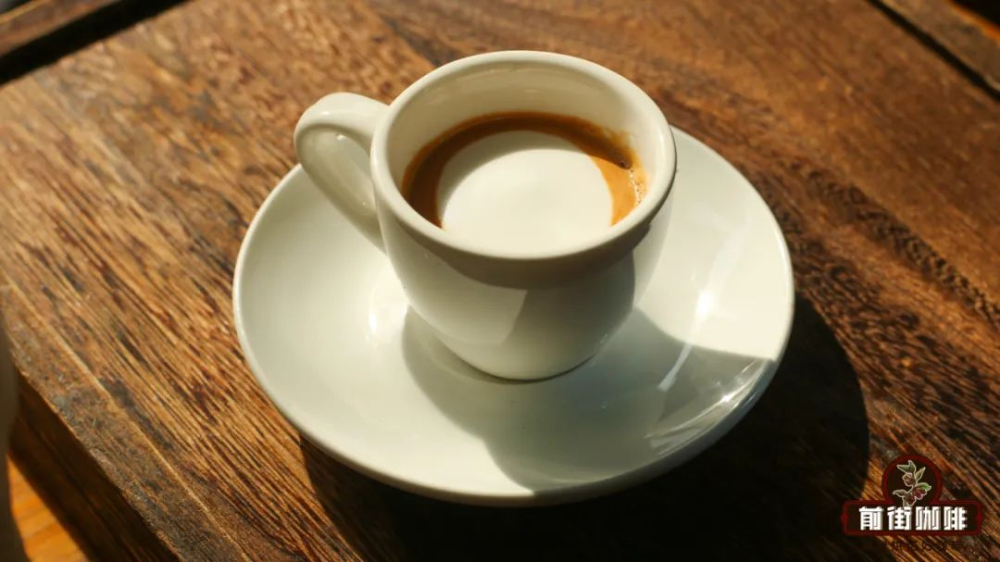
Going back to the 1980s, due to limitations in roasting technology, coffee beans roasted to a dark level commonly had a strong bitter and harsh taste.The professional solution was to add 5–10ml of whole milk and a small amount of milk foam (about 0.5cm thick) to a 30–40ml Ristretto shot of espresso.This modification preserved the primary flavor of the coffee while using milk to reduce the intensity. As the specialty coffee movement promoted medium roasts and the pure flavors of coffee gradually gained public acceptance, this transitional product faded from mainstream menus.

The real recipe revolution took place in 1990s America at Starbucks. The birth of the Caramel Macchiato was actuallya creative variation of a sweet latte.Built upon the standard latte structure (espresso + steamed milk + milk foam), it starts with pouring vanilla syrup at the bottom, followed by layering caramel syrup, and finishes with milk foam art and a drizzle of caramel sauce. A typical recipe includes:two shots of espresso, 30ml of vanilla syrup, 15ml of caramel syrup, steamed milk to reach a total volume of 350ml.Its standout feature is the “sweetness explosion” effect created by layering syrups, forming a sharp contrast with the minimalist philosophy of the Macchiato.
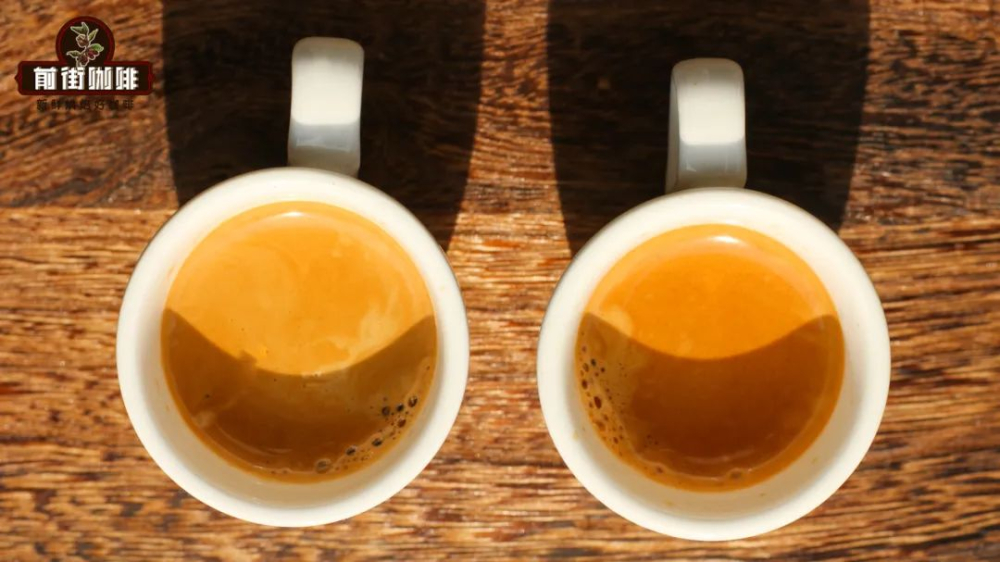
Three common consumer misconceptions need special clarification: First, the milk foam marking layer of a Macchiatoshould not exceed one-fifth of the volume of the espresso (about a total of 10–15ml of milk); second, the term “Macchiato” in Caramel Macchiato is merely a marketing borrowing and holds no technical relation; finally, an authentic Italian Macchiato should use(about a total of 10–15ml of milk); secondly, the term "macchiato" in caramel macchiato is actually a marketing borrowing and not technically related; finally, an authentic Italian macchiato should usefreshly brewed high-pressure espresso(extracted under 9 bar pressure for 25–30 seconds), rather than American-style drip coffee. Mastering these details will help you convey your exact preferences the next time you order at a café.
The above content is compiled by CoffeeHunters, a coffee news website.


