








Introduction:Faced with an overwhelming coffee menu, do you find yourself puzzled by the differences between drinks like latte, cappuccino, and macchiato? These classic coffees all originate from espresso, with variations created by adjusting the ratios of coffee, milk, and foam. This article systematically analyzes the main types of espresso-based coffee, detailing the standard ingredient proportions for each drink, while also delving into the extraction parameters and flavor profiles of espresso itself—helping you easily grasp the unique charm of each coffee and find your perfect match.
Stepping into a café and facing a menu with options like latte, cappuccino, macchiato, and mocha—have you ever hesitated to choose? These popular drinks are all built upon the foundation of espresso, evolving through changes in the ratios of coffee, milk, and foam. Understanding their preparation principles not only helps you order more confidently but also allows you to appreciate the layered complexity of coffee flavors.

Standing at the bar, staring at those familiar-yet-confusing coffee names—do you feel lost? This article will help you trace the lineage of the espresso family, clarify the differences in composition for each type of coffee, and clearly explain the standard ingredient ratios of classic drinks. We’ll also introduce you to the commonly used roasted beans and extraction parameters for making espresso. Whether you’re a beginner or an experienced coffee enthusiast, you’ll gain practical knowledge for choosing and appreciating coffee.
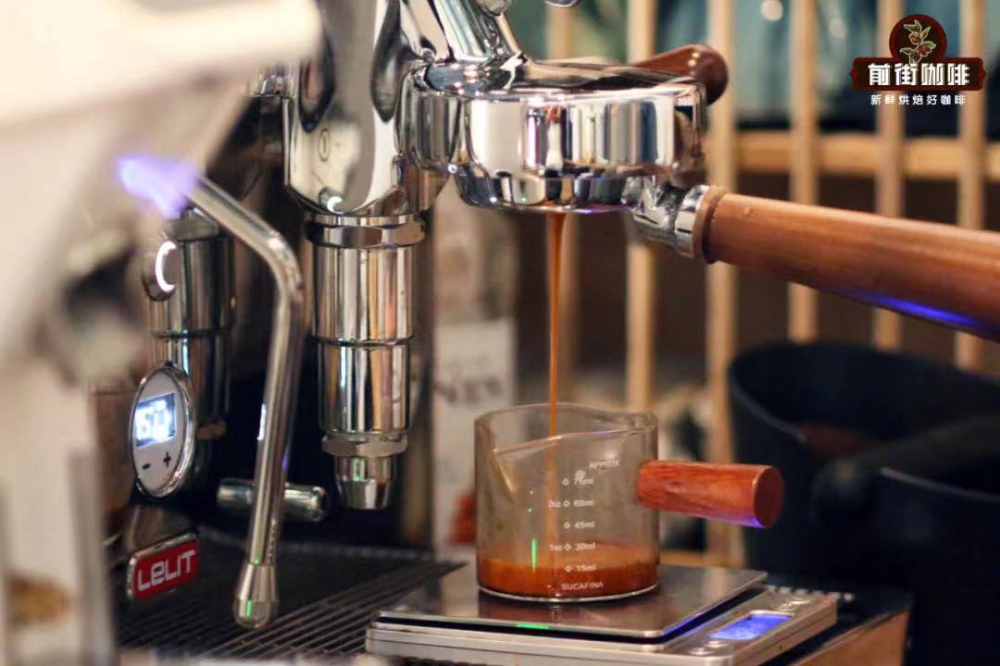
First, Espresso (Italian for "espresso") is the foundation of all espresso-based coffee. This intense coffee, extracted quickly under high-pressure hot water, has a thick texture and bold flavors—something many first-timers may need time to adjust to. Precisely because of this, a rich variety of coffee drinks such as latte, cappuccino, and macchiato have been developed around espresso, achieved by adding varying proportions of milk and foam to offer milder or more dynamic taste experiences.
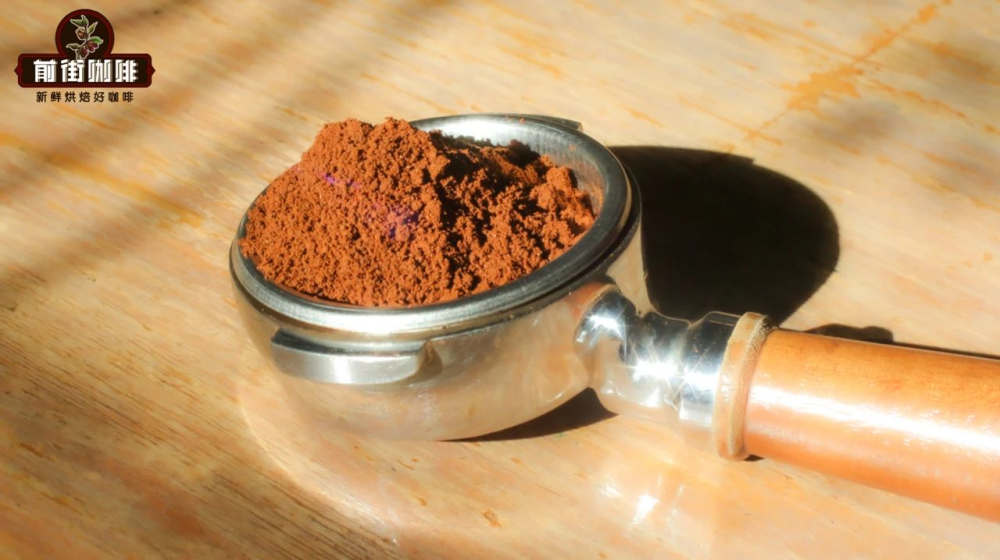
To make high-quality espresso, bean selection and parameter control are crucial. Blends commonly used for espresso are usually medium to dark roasted to highlight the coffee’s richness and complex aromas. During actual extraction, an extremely fine grind is used, along with water heated to about 94°C, passed through the coffee puck at 10 bar pressure, extracting approximately 40 grams of coffee liquid at a 1:2 coffee-to-water ratio. The entire process must be precisely controlled within 27 to 32 seconds to achieve the ideal concentration and flavor profile.
The resulting espresso often carries distinct notes of alcohol, vanilla cream, accompanied by the sweet-sourness of berries and the aftertaste of roasted nuts. Depending on whether hot or cold milk or water is added, the flavor adjusts accordingly—for example, hot milk can bring out a sweet, milkshake-like berry note, while cold milk makes the berry acidity more pronounced. Adding hot water can make the alcohol aroma more expressive, whereas adding ice water highlights a fresh acidity.
【Latte (Caffe Latte): The Harmonious Blend of Coffee and Milk】
In Italian, Latte means milk, so Caffe Latte literally translates to "coffee milk." Interestingly, if you just order "Latte" in Italy, the waiter might give you a glass of plain milk instead. In Italy, a latte is typically a simple coffee with hot milk and possibly no foam. Internationally—especially in places like the United States and Taiwan—people commonly refer to a "coffee latte" simply as a latte.
The standard latte is composed of 1/5 espresso, 2/5 hot milk, and 2/5 foam. This coffee emphasizes harmony between coffee and milk, with the foam not only adding texture but also making the overall drink smoother—an ideal choice for those who enjoy a balanced flavor between milkiness and coffee.
【Cappuccino: The Classic Combination Where Coffee Takes Center Stage】
The name cappuccino originates from the attire color of the Capuchin friars in Italy—the dark brown robe paired with a white headscarf—just like this coffee, which uses espresso as a base, combined with hot milk and thick foam, presenting a contrast of dark brown and white layers. The standard ratio is 1/3 espresso, 1/3 hot milk, and 1/3 dense foam.
Compared to a latte, the coffee flavor in a cappuccino is more pronounced, and the delicate texture of the foam offers a unique drinking experience. Additionally, cappuccinos are often sprinkled with cocoa powder or cinnamon to enhance aromatic richness.
【Mocha: The Perfect Encounter Between Coffee and Chocolate】
Mocha originated from a small port town in Yemen, where locally grown coffee beans naturally carried chocolate-like flavors. Later, this characteristic was widely incorporated into coffee beverages. The classic mocha is made in a ratio of 2/5 espresso, 2/5 hot chocolate, and 1/5 hot milk—making it an ideal choice for chocolate lovers.
【Macchiato: The Minimalist Expression of Coffee】
Macchiato means "spot" or "stain" in Italian. It’s made by placing a few milliliters of foam gently on top of a shot of espresso, creating a small white mark on the surface. Common macchiatos include the Long Macchiato made with a double espresso and the Short Macchiato made with a single espresso. Its flavor is extremely intense, with milk foam serving only as a subtle accent—perfect for those seeking a strong, pure coffee taste.
【Caramel Macchiato: A Multi-Layered Sweet Treat】
This is a variation of the macchiato, created by adding vanilla syrup and drizzling a thick layer of caramel on top, resulting in a richly layered sweetness. It’s recommended not to stir it when drinking, so you can experience the shifting flavors—from coffee bitterness, to vanilla aroma, to caramel sweetness—from the first to the last sip.
【Americano: The Diluted Interpretation of Espresso】
During World War II, American soldiers diluted espresso with plenty of hot water to suit their palates. This method later came to be called Americano, meaning "American style." To this day, it remains a favorite choice for those who enjoy a clean, black coffee.
It’s worth noting that the boundary between latte and cappuccino isn’t absolute—they are essentially variations in ingredient ratios. In practice, it’s better to flexibly adjust the proportions based on the flavor profile of the espresso, finding your personal favorite balance—that’s the true joy of enjoying espresso-based coffee.
The above content is compiled by CoffeeHunters, a coffee news website.


