







Introduction:Jamaican Blue Mountain coffee is renowned as one of the world’s top-tier coffees, but the prevalence of counterfeits on the market often makes it difficult to discern the genuine article. This article delves into the production environment, varietal characteristics, and grading system of authentic Blue Mountain No. 1, detailing its unique flavor profile woven with notes of chocolate, nuts, and cream. It also provides professional three-stage pour over parameters, allowing you to experience the rich balance of Blue Mountain coffee at home.
Blue Mountain coffee has long been synonymous with high-quality coffee, yet the market is flooded with products labeled as “Blue Mountain flavor” or “Blue Mountain blends,” often leaving consumers confused. What exactly is genuine Jamaican Blue Mountain No. 1? What unique flavor characteristics does it possess, and how should it be properly brewed? This article will take you from the background of the origin, varietal traits, all the way to practical brewing essentials, offering a comprehensive analysis of the allure of this world-famous coffee.
When it comes to Blue Mountain coffee, many people first think of Jamaica, the Caribbean island nation. As early as the beginning of the 18th century, coffee cultivation took root there, accumulating nearly 300 years of history to date. At that time, Jamaica was still a British colony, and Governor Nicholas Lawes introduced the first coffee tree from Martinique and promoted its cultivation in the Saint Andrew area, laying the foundation for the birth of Blue Mountain coffee.
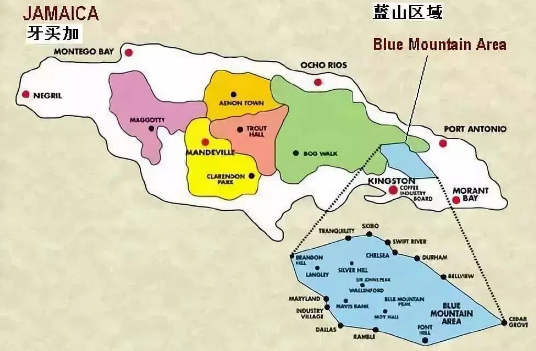
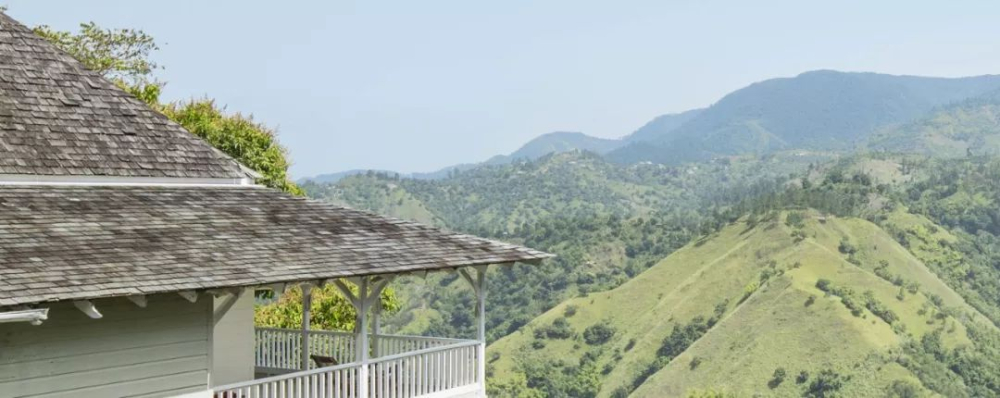
The highest point of the Blue Mountains reaches 2,256 meters, but the suitable altitude for coffee cultivation is generally below 1,700 meters, with higher elevations designated as ecological conservation areas. This region boasts fresh, unpolluted air, a humid climate with an average annual temperature of about 27°C, year-round cloud cover providing ample shade, and mineral-rich volcanic soil—all of which together nurture the exceptional quality of Blue Mountain coffee. Due to the limited mountain area, mass production is not possible, so Jamaica focuses on creating a small but supremely premium specialty coffee.
The supplied Jamaican Blue Mountain No. 1 coffee beans are of the classic Typica variety. This ancient Arabica type is known for its elegant flavors but is relatively weaker in disease resistance and lower in yield, requiring more hands-on care. One of the main sources is the Clifton Estate, the oldest coffee farm in Jamaica, which began cultivating coffee as early as the mid-18th century and had become the country’s largest estate by 1900. Since 1978, it has been managed by the Sharp family, who not only improved the growing environment but also introduced advanced equipment and built BMCP, currently the largest coffee processing facility in Jamaica. The estate adheres to eco-friendly principles, operating its own solar power station and wastewater treatment facilities, and even ferments coffee husks to produce organic fertilizer.
In terms of processing methods, the Clifton farm has long used the washed process for coffee cherries. Harvested coffee cherries are first rinsed and sorted to remove impurities, then fermented for 8 to 12 hours, followed by the removal of mucilage through water flow and friction between the beans, until the surface becomes smooth. The washed green beans are then sun-dried until their moisture content drops to 12%–14%, and finally undergo strict screening before being packaged and stored. This traditional method results in Blue Mountain coffee’s rich aroma, refreshing taste, and well-balanced acidity, sweetness, and bitterness. In addition, to align with the specialty coffee trend, the estate first launched a naturally processed Blue Mountain batch in 2019, offering a more diverse flavor selection.
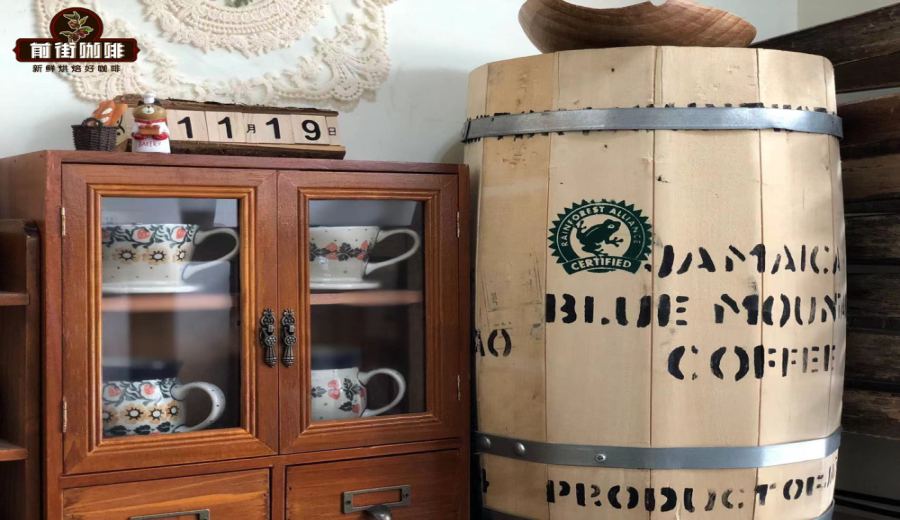
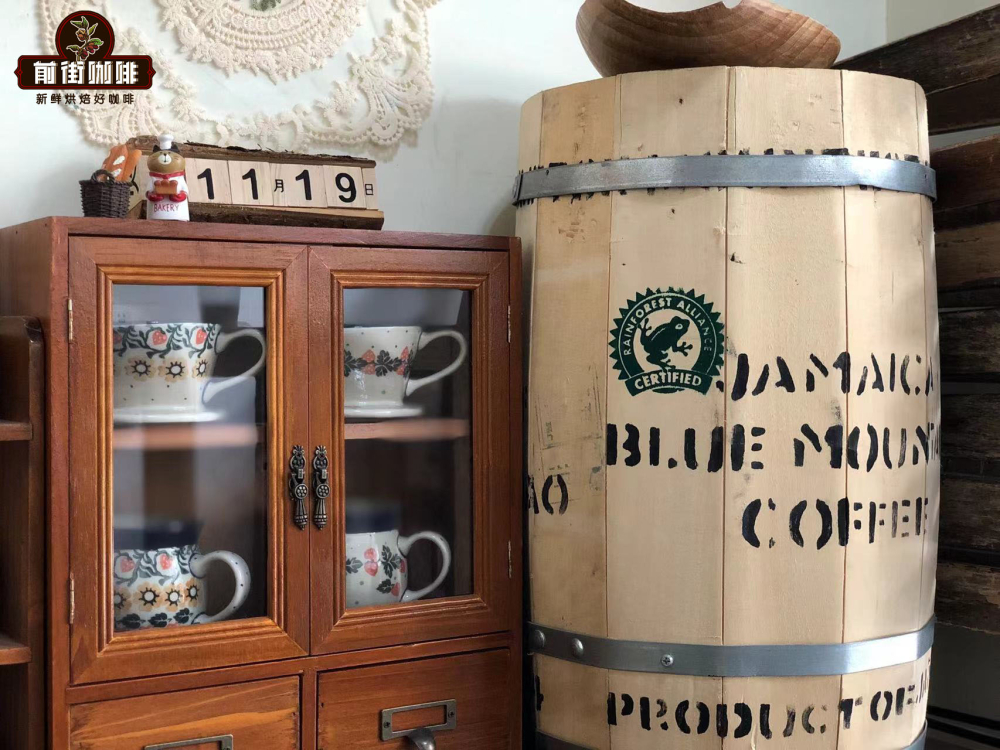
Authentic Jamaican Blue Mountain No. 1 coffee beans have several distinguishing features. First, their packaging uses unique wooden barrels rather than the commonly seen jute sacks, which is a prominent hallmark setting Jamaican Blue Mountain apart from other regions.The wooden barrel is printed with the English label of the Clifton Estate and the green frog certification symbol, signifying compliance with the Rainforest Alliance’s sustainable agriculture standards. Based on altitude, Blue Mountain coffee is divided into three major categories: only Arabica Typica grown between 910 and 1,700 meters can be called “Jamaican Blue Mountain Coffee”; between 460 and 910 meters is classified as “Jamaican High Mountain Coffee”; and below 460 meters is “Jamaican Prime Coffee.” Within Blue Mountain coffee, there are further subdivisions into four grades: NO.1, NO.2, NO.3, and PB (peaberry).The supplied Blue Mountain No. 1 green beans all meet the strict standards of being over screen size 17, with a defect rate below 2% and a moisture content of around 13%.Their appearance is plump and uniform, exhibiting a bluish-green hue.
When you purchase roasted Blue Mountain coffee beans, how can you confirm their authenticity? First, observe whether the bean shape is regular and plump. Since Blue Mountain No. 1 is often medium-dark roasted to highlight nutty and cocoa aromas, the beans are relatively loose in texture, and you can hear a crisp, consistent sound when grinding. The ground coffee emits a rich and bold aroma, and the brewed cup should present distinct notes of nuts, dark chocolate, and cream, with an overall balanced and layered flavor—this is the core of the world-renowned “Blue Mountain flavor.”
For brewing Jamaican Blue Mountain No. 1 coffee beans, it is recommended to use freshly roasted beans. Generally, a 4 to 7-day degassing period is needed after roasting, and this product is shipped no more than 5 days after roasting, ensuring you receive it at its optimal tasting window. Regarding brewing strategy,medium-dark roasting enhances the nutty and cocoa aroma characteristics, and using a KONO filter cup can further elevate the rich mouthfeel. Specific parameters are set as follows: water temperature 88°C, grind size at coarse sugar level (approximately 70% passing through a #20 sieve), coffee dosage 15 grams, coffee-to-water ratio 1:15, and a three-stage pouring process. The steps include wetting the filter paper to ensure it adheres to the filter cup, adding the coffee grounds, then pouring 30 grams of water for a 30-second bloom. Subsequently, pour water in small circular motions centered on the grounds until reaching 125 grams for the first pour. Once the coffee bed descends to the middle of the filter cup, continue pouring with the same technique until the total water volume reaches 225 grams, then wait for the dripping to finish before removing the filter cup.
Throughout the entire brewing process, the chocolate and cocoa aromas can be detected as early as the grinding stage, with caramel sweetness emerging during extraction. Upon tasting, the first impression is the rich texture of nuts and dark chocolate, with a well-balanced acidity-sweetness ratio, a refreshing mouthfeel, and a lingering aftertaste—perfectly showcasing the classic character of Blue Mountain coffee.
The above content is compiled by CoffeeHunters, a coffee news website.


