







Introduction:Want to brew more refined drip coffee at home using your American-style drip machine? From adjusting grind size to selecting beans suitable for drip brewing, this article will guide you through key extraction techniques. We’ll take an in-depth look at the relationship between brew ratio, grind size classification, and roast level, and we’ll also recommend three distinctive beans based on hands-on testing. Additionally, we’ll demonstrate a practical operation process for the De’Longhi model, so you can get everything right—from basic settings to flavor adjustments—in one go.
Many coffee enthusiasts own American-style drip machines but often struggle with subpar brewing results. In fact, **precise control of grind size** is often the key factor that determines success or failure. Drawing from practical experience in professional coffee retail, this article systematically explains the grind specifications required for different brewing devices, details the characteristics of the three main grind levels—fine, medium, and coarse—and offers practical advice tailored to beans of light, medium, and dark roast levels. It also features three drip-friendly beans: Natural Red Cherry, Blue Mountain, and PWN Golden Mandheling. Finally, it provides a full walkthrough of operating steps for the De’Longhi machine, along with an analysis of the fundamental differences between espresso and American coffee.
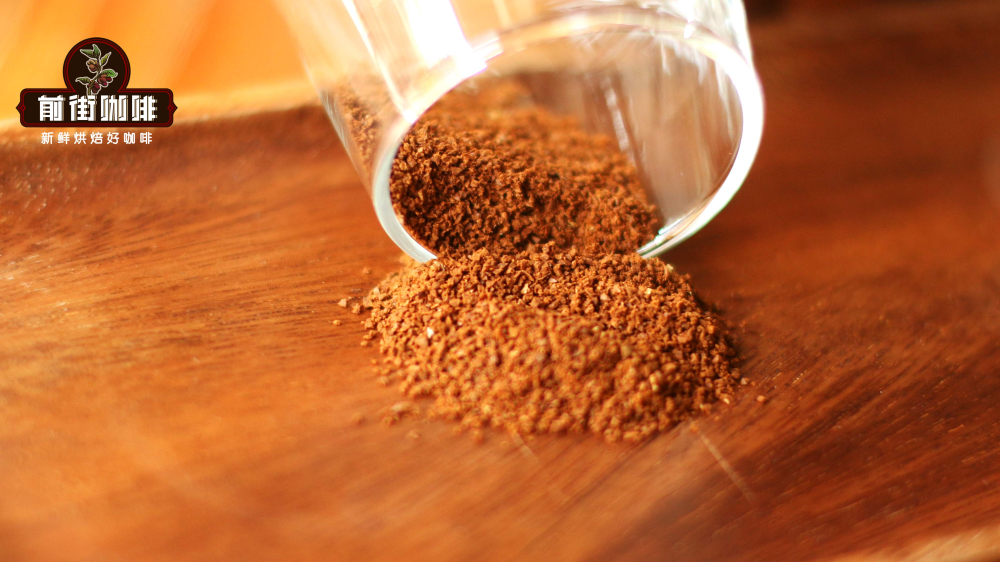
When customers ask how to grind coffee beans for home use, professional baristas typically first confirm which brewing device is being used. If the answer is an American-style drip machine, they will specifically adjust the grinder setting to a coarseness close to that used for pour over. This adjustment is backed by science: **grind size directly affects the contact time between water and coffee grounds, and thus the extraction efficiency**. For example, finer grinds have a larger total surface area, which can speed up the release of flavor compounds—but if not controlled properly, it may lead to over-extraction, resulting in sharp bitterness and astringency. Conversely, overly coarse grinds slow down the extraction process, potentially causing under-extraction, which can make the coffee taste dull and overly acidic.
The international standard divides grind sizes into seven levels, with clear definitions ranging from extremely coarse for cold brew to extremely fine for Turkish coffee. To simplify practical application, these can be grouped into three main categories: medium to medium-coarse (approximately 70%-75% sieve passing rate), suitable for drip machines; precisely controlled medium-fine (around 80%); and fine grinds required for high-pressure extraction. It’s particularly important to note that while both drip machines and moka pots fall within the medium-coarse range, the latter operates in a high-temperature, high-pressure environment and thus still requires finer grounds to prolong effective extraction time.
Roast level also significantly influences drip coffee flavor. Light roasts highlight bright citrus and berry notes, ideal for those who prefer a fresh, fruity profile; medium roasts offer a balanced combination of nutty and caramel layers—such as the Rainforest Alliance-certified Cliffside Estate Blue Mountain coffee from Jamaica, which retains a creamy texture and the richness of dark chocolate through medium processing; dark roasts like Golden Mandheling are known for their intense spice and chocolate aftertaste, with its uniformly sized 19-mesh beans undergoing three rounds of manual screening for exceptional quality consistency. Consumers can choose their preferred roast style based on personal taste preferences, as there is no absolute better or worse.
For specific recommendations, Natural Red Cherry, as a representative of light roasts, hails from Ethiopia’s Yirgacheffe region. Its high sweetness and pronounced fruity acidity can fully showcase the clear layers of drip coffee. Blue Mountain coffee is renowned for its refined balance, making it ideal for those seeking a well-rounded flavor. As for dark-roasted PWN Golden Mandheling, it’s important to verify authenticity—look for official PWN certification and the special jute bag marking on the packaging to avoid lower-quality imitations.
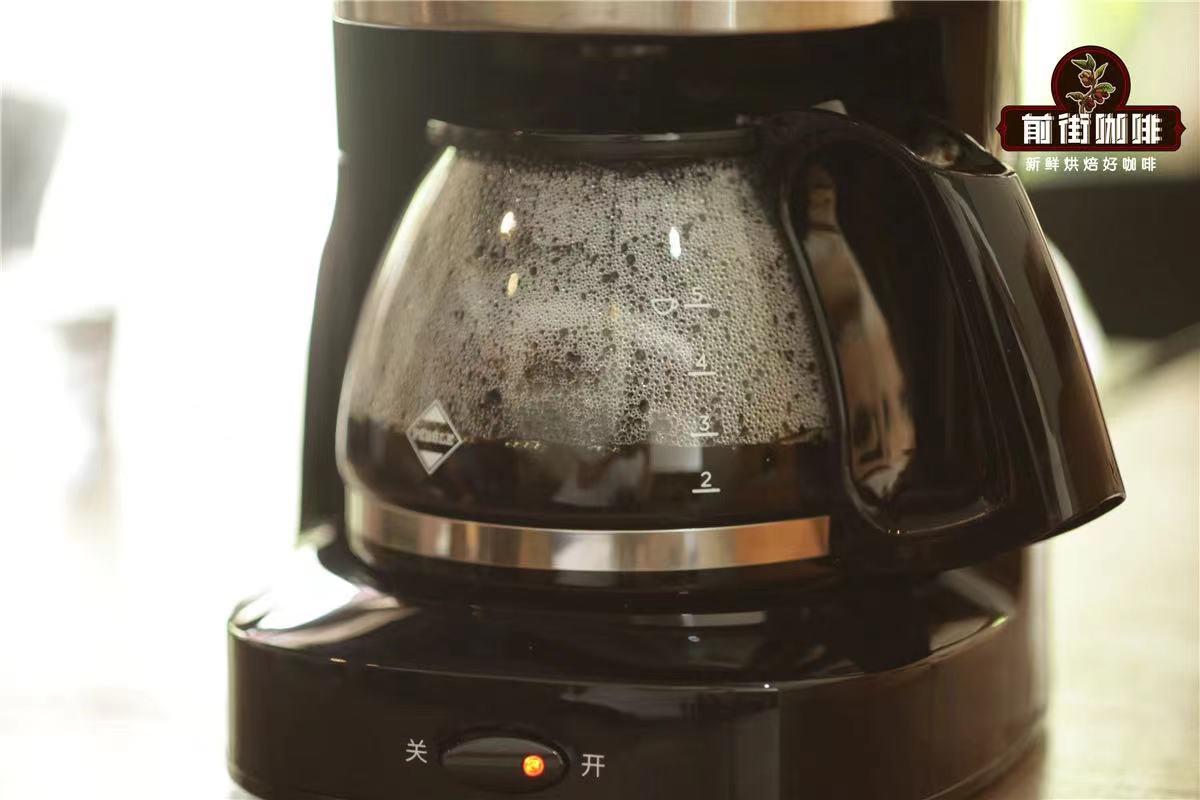
For operating the De’Longhi drip machine, it’s recommended to start with a baseline ratio of 5 grams of coffee grounds to 100 milliliters of water, which can be adjusted flexibly according to taste preference. In practice, begin by powering on the machine to preheat it, place the filter paper in the basket, and evenly distribute the coffee grounds—taking care to avoid clumping that could disrupt water flow. Pour filtered room-temperature water up to the specified level, close the lid, and start the extraction process, which typically takes about 4–6 minutes. Key points include: maintaining a consistent coffee-to-water ratio, ensuring the filter basket is evenly filled, and regularly cleaning the machine’s water system to prevent scale buildup that could affect flavor.
Regarding the fundamental difference between espresso and American coffee, the core lies in the extraction process and the resulting flavor profile. Espresso is extracted under 9 bars of high pressure, producing a rich crema layer and delivering a bold, intense taste. In contrast, drip coffee relies on gravity for natural filtration, resulting in a cleaner, more transparent flavor with typically brighter acidity. So-called "American coffee" is essentially diluted espresso, retaining some characteristics of the concentrated shot but with a more relaxed overall structure. Neither is absolutely superior—they are simply a matter of personal flavor preference. It’s recommended to choose based on your mood and drinking occasion.
The above content is compiled by CoffeeHunters, a coffee news website.


