







Introduction:Yirgacheffe is a renowned specialty coffee region in Ethiopia, famous for its distinctive white floral notes and refreshing taste. This article will introduce the historical background of the region, analyze how the two main processing methods—washed and natural—affect the flavor profile, and detail the characteristics of representative coffee varieties such as Guji Gedeb and Red Cherry. Additionally, it provides professional pour over parameters and recommendations for using drip bags to help you fully showcase Yirgacheffe’s elegant flavors at home.
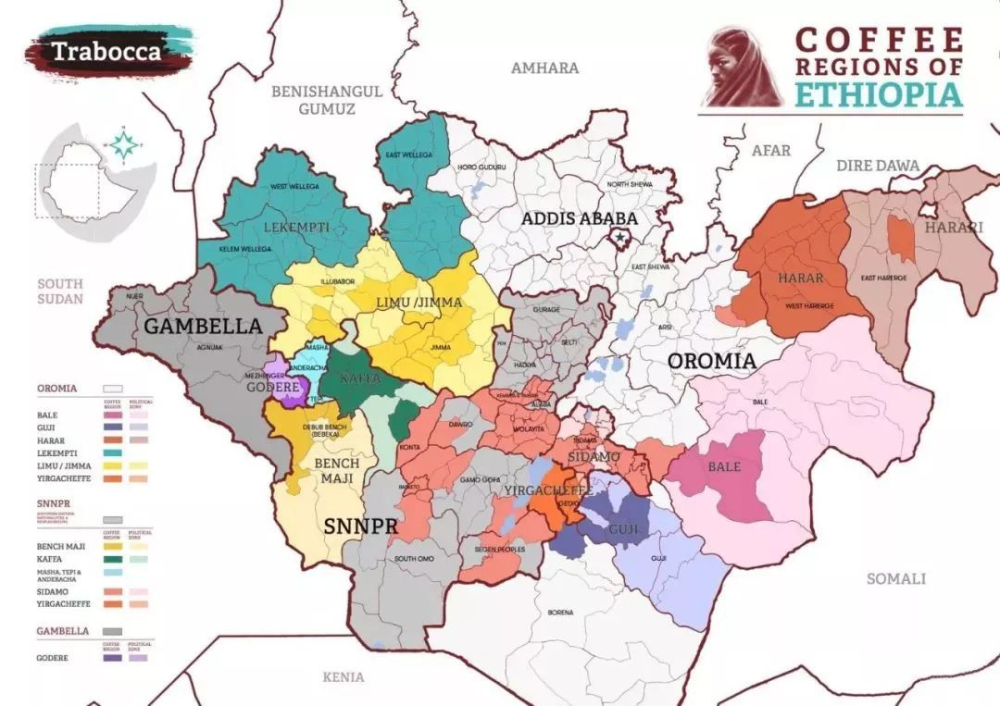
Yirgacheffe is one of the most representative specialty coffee origins in Ethiopia, beloved by coffee enthusiasts worldwide for its unique delicate white floral notes and soft, refined taste. Initially part of Sidamo, this region gradually separated from Sidamo due to its uniquely distinctive coffee flavors, becoming what is known today as Yirgacheffe. Interestingly, even Starbucks once attempted to trademark the name "Yirgacheffe," but in 2007, through the efforts of the Ethiopian government, it was successfully retained as a regional appellation.
The widespread acclaim of Yirgacheffe is directly related to its coffee flavors. Coffees from this region often exhibit bright acidity, floral notes, and citrus tones, offering a refreshing mouthfeel with a long, lingering finish. Many consumers who are new to pour over coffee fall in love with the layered complexity of specialty coffee thanks to a cup of Yirgacheffe. However, many people don’t see "Yirgacheffe" listed on café menus because it is typically sold under the name of the producing region or processing farm, such as the commonly seen "Guji Gedeb" or "Red Cherry."
The coffee processing methods in Yirgacheffe are mainly divided into washed and natural (sun-dried), both of which greatly influence the final flavor. The washed process originated in the 1970s when Ethiopia introduced the technique from Central and South America to improve the stability and consistency of green beans. In the washed Yirgacheffe process, after the coffee fruit's skin and pulp are removed, fermentation is used to remove the mucilage, followed by thorough washing with clean water. Finally, the beans are dried on raised beds with moisture content controlled at13%approximately. This method highlights a clean, bright acidity and delicate floral notes, often described as "a garden in bloom," making it an ideal choice for many beginners in coffee.
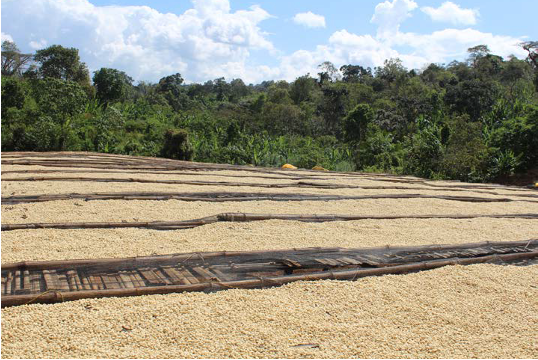
In contrast, the natural process is a more traditional method where whole coffee cherries are placed directly on raised beds and dried under the sun for an extended period. During this time, frequent turning is required to prevent mold or over-fermentation. Throughout this process, the natural sugars in the fruit pulp and mucilage penetrate the seeds, imparting a richer sweetness, fuller body, and complex fruit notes to the coffee. Common natural-processed beans, such as Red Cherry, display distinct berry-like sweet and sour notes along with subtle fermentation aromas. The sweetness is particularly prominent, making it well-suited for those who enjoy bold, intense flavors.
Among the many Yirgacheffe coffees, the washed "Guji Gedeb" and the natural "Red Cherry" are two highly representative varieties. Guji Gedeb typically exhibits a fresh green tea-like sensation paired with citrus acidity, featuring a clean and layered flavor profile that feels as light as a gentle breeze on the palate. On the other hand, Red Cherry showcases rich berry and ripe fruit flavors with high sweetness and unique fermentation aromas. Its texture is fuller and it is especially loved by consumers who enjoy fruity and sweet profiles. Both beans are medium-light roasted, allowing the unique characteristics of the Yirgacheffe region to shine through.
To brew Yirgacheffe at home and capture its classic flavors, mastering the correct pour over parameters is especially important. It is recommended to usea Hario V60 dripper, with water temperature controlled at90°C, a coffee dosage of15 grams, and a1:15 coffee-to-water ratio(i.e., a total of 225 grams of water) for extraction. The grind size is suggested to have a80%20-mesh sieve passing rate (according to Chinese standards),
equivalent to a medium-fine grind, which helps balance the release of acidity and aroma.Specifically, the brewing steps begin with a30-second bloom, during which about30 grams of hot waterare poured to help release CO₂ from the coffee grounds and initiate extraction. Then, using a slow, thin stream of water, start pouring in circles from the center outwards up to125 grams, and once the water level drops, continue pouring until reaching225 grams, with the entire extraction process taking around2 minutes
. This approach effectively brings out Yirgacheffe’s refreshing floral notes and delicate acidity.If you prefer the convenience of drip bags, you can also easily enjoy the charm of Yirgacheffe. Taking the common 10-gram drip bag as an example, it is recommended to use a total brew water volume of150–180 milliliters. Depending on personal taste preferences, the water can be poured in three stages: first, pour a small amount of hot water to wet the filter bag and coffee grounds, then let it sit for about20 seconds, followed by pouring water in portions until nearly full. The overall process takes about1 minute and 30 seconds
. This method allows the coffee grounds to fully expand and release their flavors, achieving an effect close to that of pour over.
The above content is compiled by CoffeeHunters, a coffee news website.


