








Introduction:Why has Gesha coffee become a legend in the specialty coffee world? Since winning the BOP competition in Panama in 2004, this Ethiopian-origin variety has captivated the globe with its distinctive floral aromas and complex fruity acidity. This article delves into Gesha’s growing environment, the Finca Geisha grading system, the natural processing method, and offers expert pour over brewing parameters to help you fully understand this premium-priced coffee bean—from flavor to brewing.
In 2004, Panama’s Finca Geisha entered its Gesha coffee beans into the BOP green coffee competition, winning first place with its richly layered floral and fruity notes, thereby establishing its status in the specialty coffee market. Why can this Ethiopian-origin variety fetch sky-high auction prices of over a thousand dollars per pound? The secret to its high cost lies in the stringent conditions of high-altitude cultivation, meticulous hand-picking processes, and its unique natural processing technique.
The genetic origin of Gesha can be traced back to Gesha Mountain in southwestern Ethiopia, Africa.1931, researchers discovered this thin-leaved tree species in the Gesha Forest. After introduction trials in Kenya, Uganda, Costa Rica, and other regions, it was finally brought to cultivation by Panama’s Hacienda La Esmeralda in1970. Initially, due to its low yield and susceptibility to disease, Gesha was only used as a windbreak tree until1998, when the third-generation owner of Finca Geisha transplanted it to areas above1500 metersin altitude, unlocking its astonishing flavor potential.

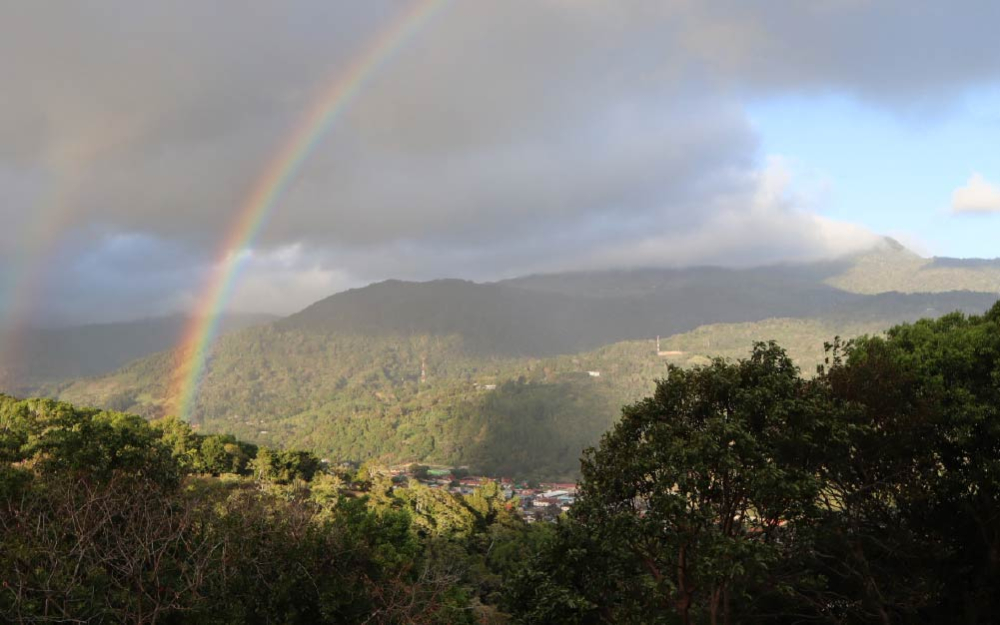
Gesha is extremely picky about its growing environment:it requires high-altitude cloud-shaded environments, fertile volcanic soil, and a microclimate with significant day-night temperature variation—all essential. The volcanic soil of Panama’s Barú Volcano in the Boquete region is mineral-rich, combined with an average annual rainfall of2000 millimeters, creating ideal conditions for the slow ripening of Gesha fruit. Notably, Gesha coffee trees have fragile root systems and low photosynthetic efficiency, yielding only half as much per plant as the Caturra variety, which is one of the core reasons for its high price.
The natural processing method directly impacts the flavor profile of Gesha. During harvesting, onlyfully ripe red coffee cherriesmust be meticulously selected, andwithin 24 hours, the cherries must be depulped and sun-dried. The traditional method involves evenly spreading the coffee fruit on patio drying racks, withtimely turning 3–4 times a dayand maintaining a drying period of around3–5 days, during which temperature is closely monitored to avoid over-fermentation. Some farms use mechanical drying assistance via72-hour temperature-controlled rotary dryingto ensure even moisture evaporation, ultimately preserving bright citrus notes and tropical fruit aromas.
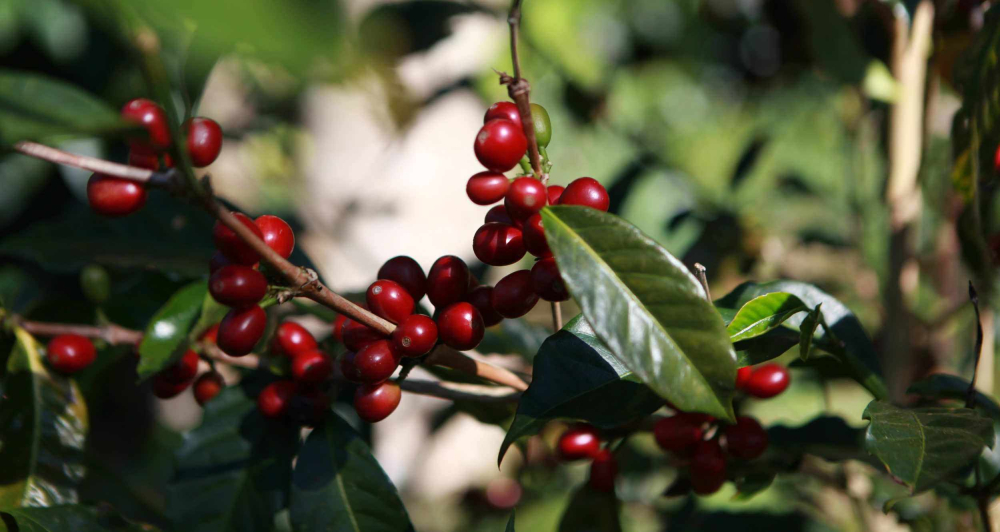
When discussing Gesha, one must mention Finca Geisha’s grading system. The estate’s three sub-regions—Jaramillo, Canas Verdes, and El Velo—are categorized based on altitude and cupping results:Red Label (1700–1900 meters)represents top-tier auction-grade lots,Green Label (1500–1700 meters)consists of high-altitude selected beans,and Blue Label (1300–1500 meters)is intended for everyday drinking. Among them, Red Label Gesha comes from the Mario plot in Canas Verdes, known for itsintense jasmine floral aroma and honey-like sweetness, with each lot undergoing triple cuppings to ensure consistent quality.
A certain coffee brand sells Finca Geisha Red Label Gesha with the following parameters: grown in the Boquete region at altitudes of1700 meters and above, using the natural process method, with flavor notes includingmango, berries, citrus peel, and a creamy mouthfeel. For brewing, it is recommended to use water at92–94°Cwith a1:15 coffee-to-water ratio, medium-fine grind size (Chinese standard 20-mesh sieve passing rate75-80%). The step-by-step extraction process: the first pour is30 grams of water for a 30-second bloom, followed by adding95 grams of water, then waiting until the liquid level drops to two-thirds of the coffee bed, and finally pouring100 grams of waterto complete the total extraction time of2 minutes ± 10 seconds.

The key to brewing Gesha via pour over is to highlight its floral and fruity aromas. It is recommended to use aV60 dripperwith coffee beans roasted within5 days of freshness, allowing the ground coffee to rest for30 minutesto ensure full release of CO₂. Common mistakes include using water that’s too cool, resulting in muted flavors, or grinding too coarse, leading to sharp and thin tastes. Professional roasters often adjust the roasting curve for different lots—for the Jaramillo plot, emphasis is placed ondeveloping floral and fruity characteristics, while the Canas Verdes plot focuses onbalancing sweetness and body.
As hot water penetrates the Gesha coffee grounds, what’s first released is a bright tropical fruit acidity, followed by a honey-like finish. Professional cuppings show that high-altitude-grown Gesha contains higher concentrations ofcitric acid and quinic acid, and through the sugar transformation during natural processing, it forms a uniquecitrus–berry–cream three-tiered flavor structure. This complexity is the core value that sets it apart from ordinary Arabica varieties.
The above content is compiled by CoffeeHunters, a coffee news website.


