








Introduction:The Hario V60 is the go-to tool for many coffee beginners stepping into the world of pour over brewing. Its unique 60-degree conical design, large filter holes, and spiral ribs offer users high flexibility in extraction and the ability to shape flavors. This article delves into the origins of the V60’s design, its differences from the KONO dripper, and provides a detailed walkthrough of the complete brewing process—from wetting the filter paper to the three-stage pouring method. It also offers specific recommendations on water temperature, grind size, coffee-to-water ratio, and extraction time to help you brew more consistently, producing coffee with clear layers and distinct flavors.
Among the many tools for pour over coffee, the Hario V60 dripper stands out as the preferred choice for many coffee enthusiasts due to its flexible and versatile extraction characteristics. This dripper, originating from Japan, features a 60-degree conical structure, large filter holes, and a spiral rib design. It not only allows for precise control over water flow rate but also enables baristas to adjust extraction flavors based on bean variety and roast level, making it suitable for a wide range of coffee beans from light to medium roast.
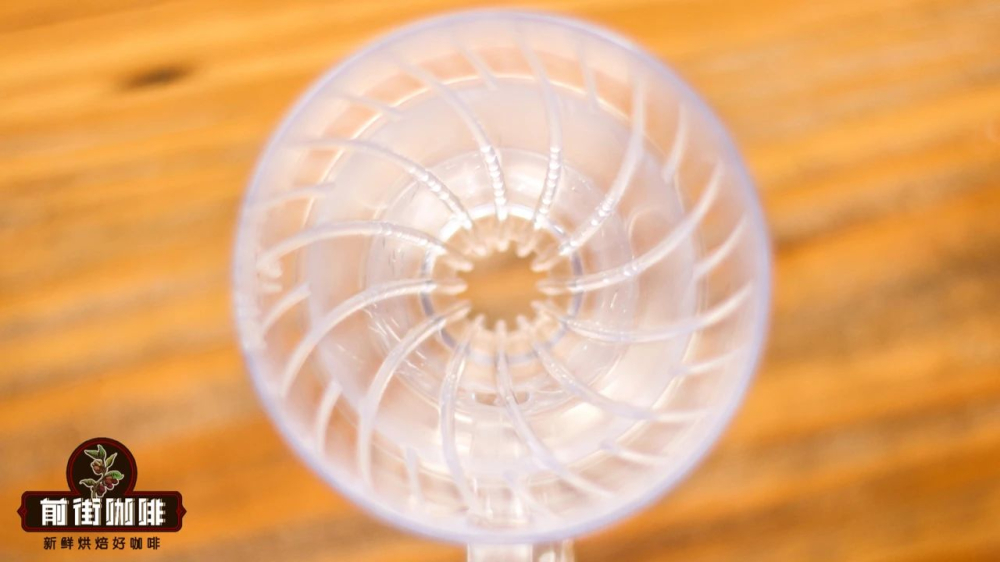
In terms of design, the V60’s 60-degree V-shaped conical structure directs the water flow toward the center of the dripper, prolonging the contact time between water and coffee grounds, which helps produce a richer and more layered flavor profile. The large filter holes allow for faster coffee liquid flow. When paired with appropriate grind size and pouring techniques, they can highlight the coffee’s delicate fruit acidity and aroma. Meanwhile, the spiral ribs inside the dripper effectively channel air out, promoting even expansion of the coffee grounds and improving extraction uniformity.
It’s worth noting that over the years, the V60 dripper has been released in multiple material versions, including ceramic, glass, resin, and metal. Each material varies slightly in heat retention and feel, but the core design philosophy remains unchanged. Among these, the resin-made No. 01 dripper, with its good heat retention and capacity suitable for one to two servings, is a top choice for many baristas in daily use.
Compared to the commonly seen KONO dripper, the V60 follows a very different design logic. The KONO dripper has shorter ribs and smaller filter holes, fitting more tightly with the filter paper, which results in slower water flow and tends toward immersion-style extraction. It is better suited for dark roast beans or those seeking a stronger, richer taste. In contrast, the V60, with its long spiral ribs and large filter holes, allows for relatively faster water flow, making it ideal for highlighting the fruit acidity and floral notes of light roast beans, while emphasizing clarity and layering in flavor.
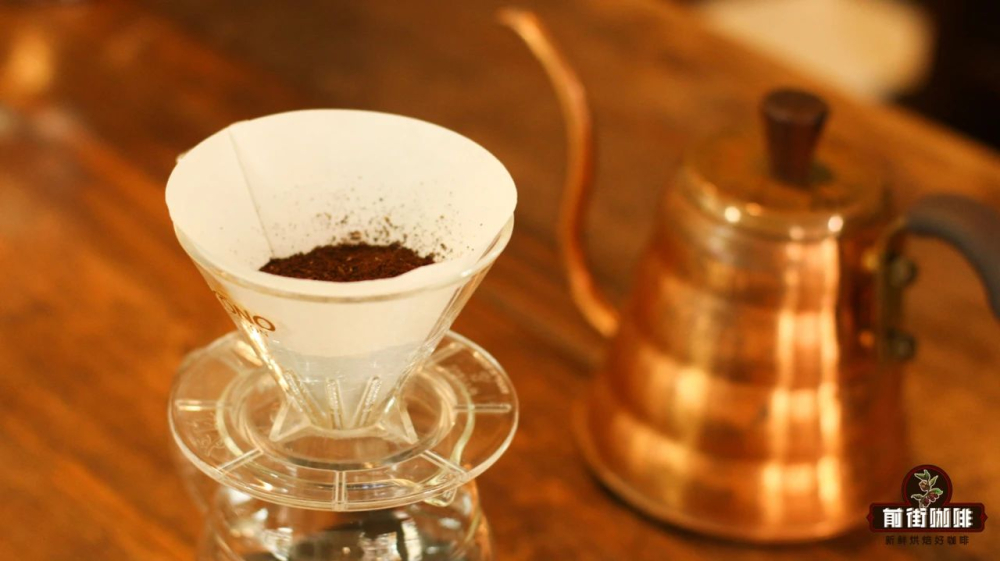
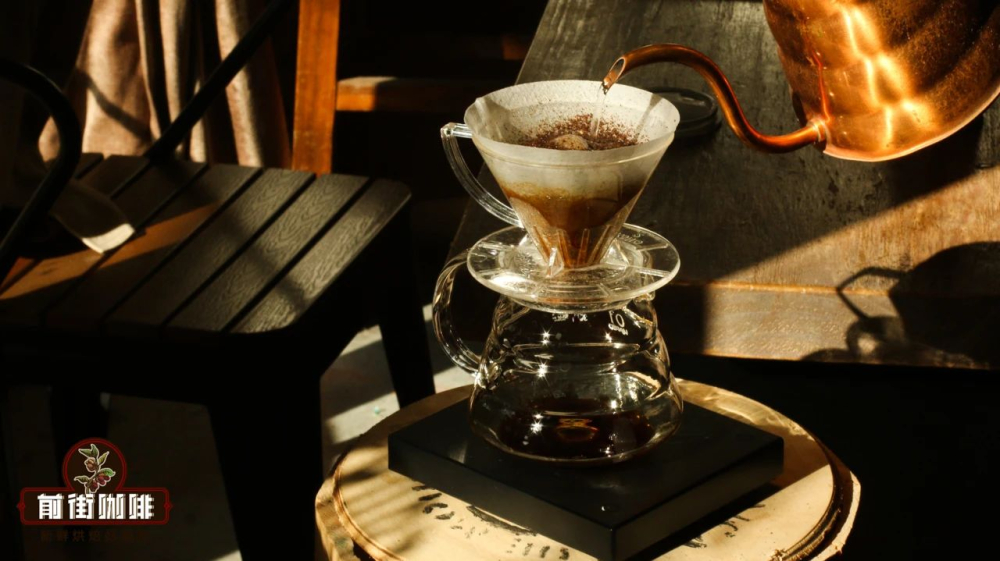
When actually brewing with the V60, the essential tools you’ll need include: a resin or ceramic V60 dripper (size No. 01 is recommended), the corresponding filter paper, a pour over kettle, an electronic scale, a grinder, a thermometer, and a server. First, place the filter paper into the dripper and evenly wet it with hot water. This step not only removes the papery smell of the filter but also ensures a tight seal between the dripper and the filter, preventing excessive absorption of water that could affect the coffee’s extraction efficiency.
Next, add the pre-ground coffee into the dripper. It is recommended to use a medium-fine grind size, ideally with about 80% of particles passing through a standard 0.85mm sieve. Grinding too coarse may lead to under-extraction and a flat flavor, while grinding too fine can result in over-extraction, producing bitter and off-tasting notes. The amount of coffee can be adjusted according to personal taste, with a common single-serving recipe being 15 grams of coffee grounds to 225 milliliters of water.
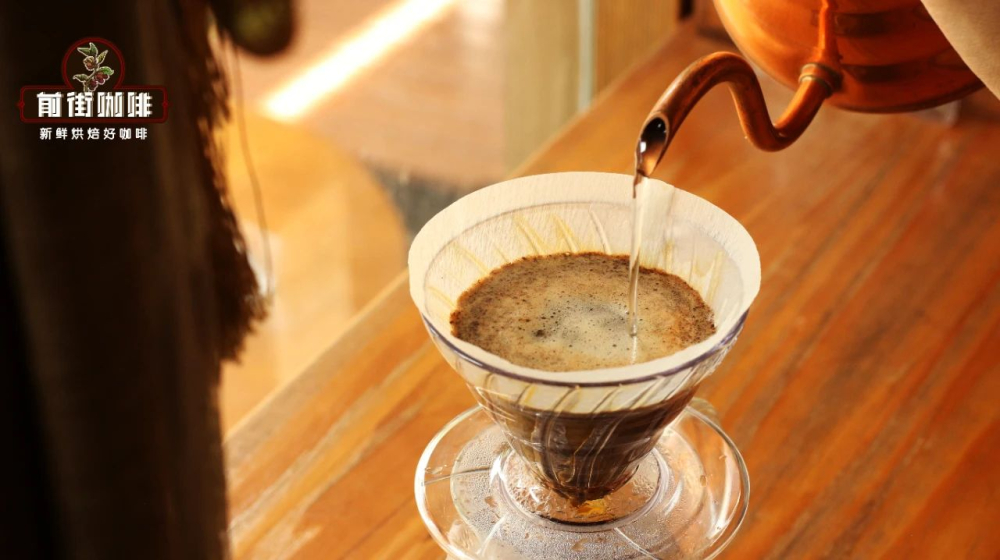
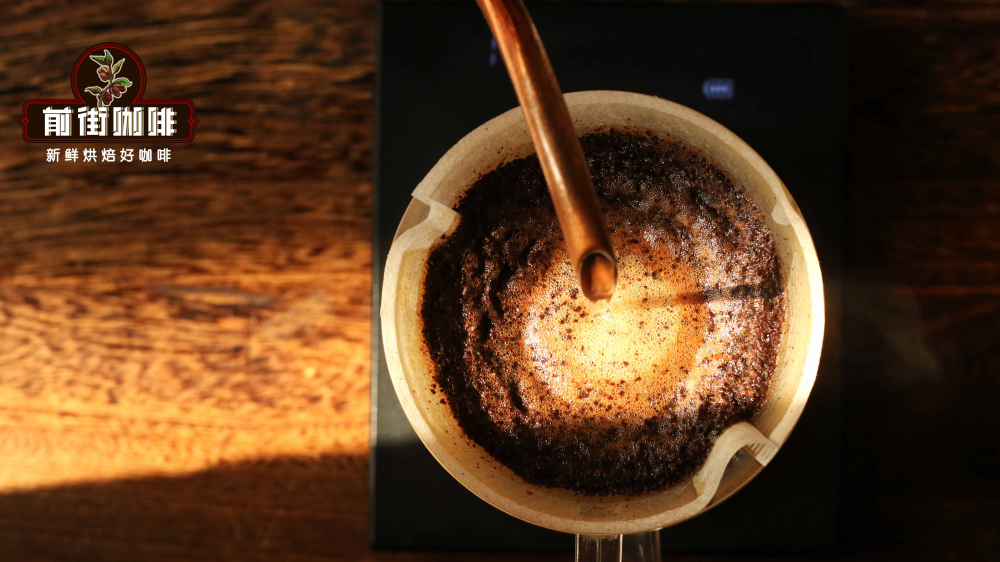
During the actual brewing process, it is recommended to use the three-stage pouring method to maintain a stable water flow and control the rhythm of extraction. The first stage is the blooming phase: pour about 30 grams of hot water to evenly saturate all the coffee grounds, then let it sit for 30 seconds to allow carbon dioxide to escape. This step helps facilitate subsequent flavor release. Next, proceed to the first pour, increasing the water volume to 125 grams. Once the coffee liquid level drops to about halfway down the dripper, proceed to the second pour. The total water volume should be 225 grams, with the ideal total extraction time kept around 2 minutes.
For water temperature, light roast coffee beans are recommended to be brewed at 90 to 92°C to help bring out fruit acidity and aroma; dark roast beans, on the other hand, are better brewed at 88 to 89°C to avoid over-extraction that can lead to burnt, bitter tastes. In addition, stable pouring technique and even distribution of the coffee bed are also key factors affecting extraction uniformity. Beginners are advised to practice water flow control and pouring rhythm more.
After extraction, it is recommended to gently swirl the coffee liquid to homogenize the flavors before pouring it into your cup. The V60 dripper is particularly well-suited for extracting light to medium roast coffee beans, such as Ethiopia’s Yirgacheffe or Kenyan beans, which can showcase bright fruit acidity, floral and fruity aromas, and a rich mouthfeel. In contrast, dark roast beans like Mandheling are better brewed using the KONO dripper to bring out a fuller body and a mellow, lingering finish.
In summary, the Hario V60 dripper is not only one of the representative tools for pour over coffee, but its design flexibility also allows users to fine-tune grind size, water temperature, pouring technique, and time according to personal preference, exploring endless possibilities in coffee flavors. For beginners, mastering the basic brewing process and parameter settings can lead to consistently brewed, layered cups of coffee; whereas advanced users can further challenge themselves with different bean varieties and brewing variations, experiencing the endless joy of pour over brewing.
The above content is compiled by CoffeeHunters, a coffee news website.


