







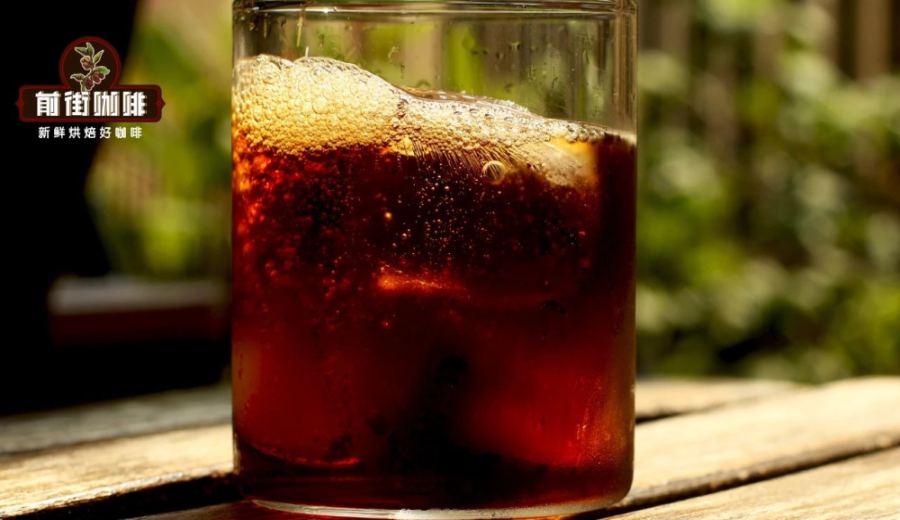
Introduction:Cold drip coffee is renowned for its rich, smooth flavor that is neither bitter nor astringent, yet many people who make it at home often struggle with excessive bitterness or poor dripping flow. This article delves into the low-temperature extraction principles of cold drip coffee, analyzes why it tends to be sweeter than pour over, and breaks down key elements such as coffee bean selection, grind size, dripping speed, coffee-to-water ratio, and drinking methods step by step. It helps readers master the correct filtration techniques and also shares practical recipes so you can easily brew high-quality cold drip coffee with layered flavors, wine-like aromas, and bright fruit acidity.
Many wonder why coffee shop-made cold drip coffee always tastes so smooth, while homemade versions tend to have a slightly bitter or astringent edge. The issue often lies in an unassuming little detail that can significantly detract from the overall flavor. Cold drip coffee is a type of cold brew, and although it doesn’t require as high a level of technical skill as professional equipment, understanding the underlying principles and details is still essential to consistently achieve satisfying results.
Some compare brewing coffee to brewing tea, but in reality, coffee has even more variables—including water temperature, time, and grind size—each of which affects the final flavor. Different temperatures alter the release rates of oils, acids, and sugars in the coffee, further influencing aroma and mouthfeel. It’s recommended to taste the coffee from hot to cold to experience the changes across different stages.
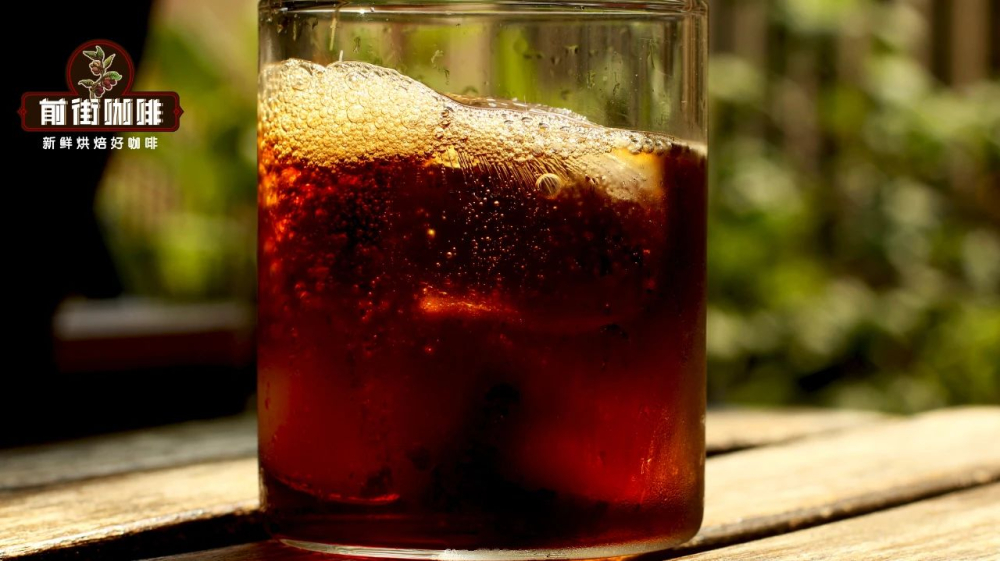
Pour over is a high-temperature extraction method where the high water temperature accelerates the breakdown of tannic acid into quinic acid, bringing out a multi-layered experience of sourness, sweetness, and bitterness. However, if the temperature is too high or the extraction time too long, woody and fibrous off-flavors can easily be released. Cold drip, on the other hand, is the opposite—it’s a low-temperature, long-duration extraction where only small-molecule flavor compounds such as floral and fruity notes are easily dissolved, while larger molecules like smoky and roasted flavors are less likely to be released. As a result, it presents the pure essence of the coffee beans, with a smoother mouthfeel, distinct layers, and pronounced aftertaste.
Those who enjoy cold drip coffee are often captivated by its rich, velvety texture—balanced between sweet and sour, without any astringency or bitterness. If you choose coffee beans with prominent fermentation flavors, it can even bring out intense wine-like aromas, much like sipping an iced fruit wine, making it especially enjoyable in the summer.
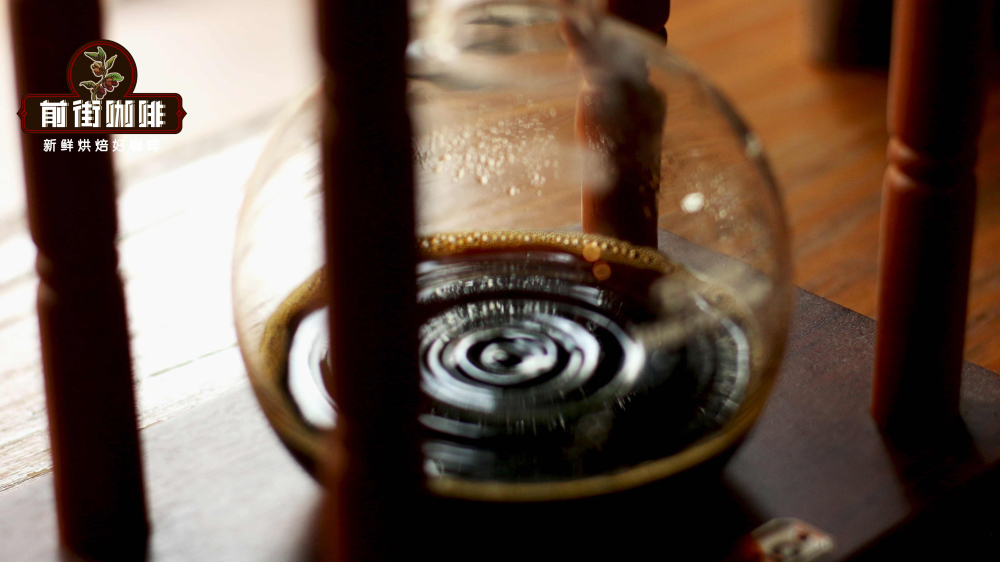
Cold drip coffee originated in Europe, derived from a distiller invented by the Dutch, hence it is also called Dutch Coffee or water drip coffee. As early as the 17th century, the Dutch began drinking this type of coffee, which later spread to Korea and Japan through colonial expansion, earning it the alternate name of Dutch coffee.
This extraction method relies on condensation and natural osmotic water pressure to allow melted ice water to slowly seep through coffee grounds over about 8 hours. In a low-temperature environment, the astringent substances in coffee are less likely to be released, and if the coffee undergoes slight fermentation in the fridge, it can also develop a subtle wine aroma, resulting in a richer mouthfeel. It’s recommended to prepare it at night and refrigerate it, then drink it the next day for optimal flavor.
Since cold drip coffee is not heated and the extraction process is long, some flavor molecules are not fully released. Therefore, it’s suggested to seal and let it sit undisturbed for 12 to 24 hours after extraction, allowing the carbon dioxide pressure inside the bottle to drive the release of flavors. This is also one of the reasons why the flavor becomes more intense the longer it sits.
During the cold drip extraction process, tannic acid is almost not broken down, and caffeine is only minimally released—about 90% less compared to hot water extraction—but other major flavor components remain fully preserved. As a result, cold drip coffee is not only free of astringency but also very low in bitterness, offering a clean taste with balanced acidity and bitterness, a pleasant aftertaste, and is also very friendly to those sensitive to caffeine.
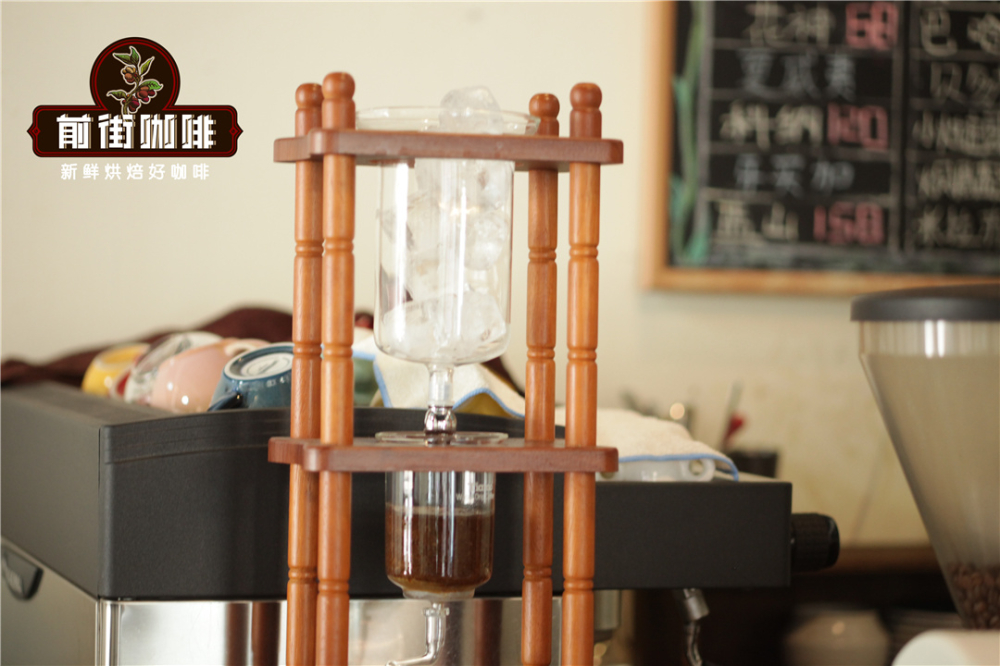
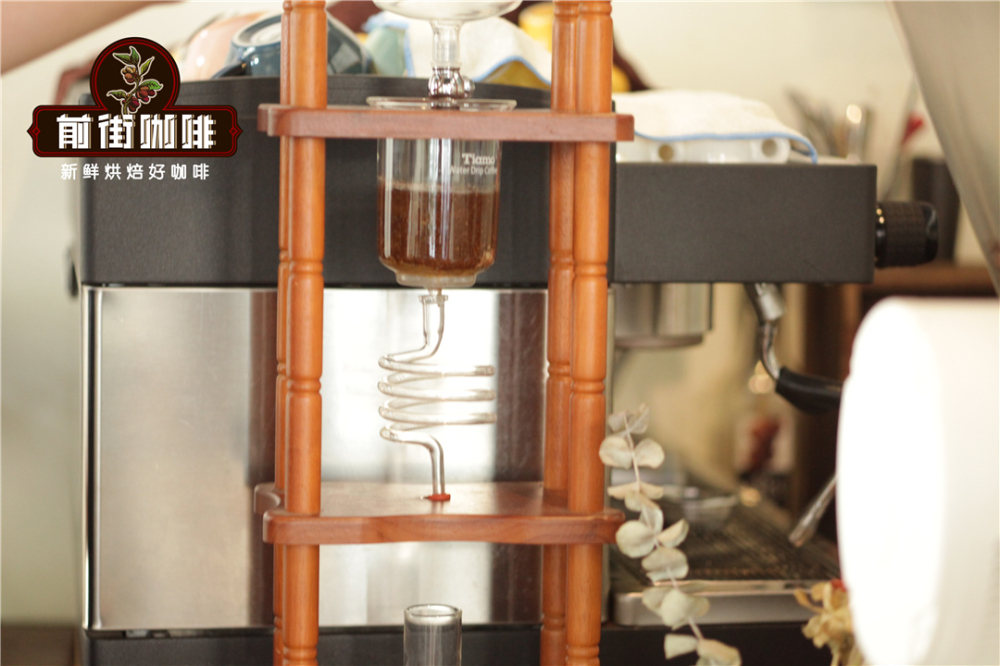
The equipment for making cold drip coffee mainly consists of three parts: the top holds the ice water, the middle holds the coffee grounds, and the bottom collects the extracted coffee liquid. Though the basic operation may seem simple, it’s the attention to detail that truly influences the flavor.
1. Coffee Bean Selection
Coffee beans are the primary factor influencing flavor. Lightly roasted beans, with their fruity and sweet acidity, perform particularly well at low temperatures. You can also opt for beans with distinctive profiles, such as those with berry, wine, or fermentation notes.
2. Grind Size
The recommended grind size is to use a 20-number standard sieve with 80% to 85% of the coffee passing through. Too coarse a grind can lead to fast water flow, insufficient extraction, and a weak flavor; too fine a grind can cause clogging, over-soaking, and unwanted bitterness. For a richer taste, go with an 85% pass rate; for a crisper profile, choose 80%.
3. Dripping Speed
The dripping speed affects the total extraction time. Generally, it’s recommended to aim for 7 drops every 10 seconds, though you can adjust according to personal preference. However, be aware that both too fast and too slow speeds may affect the balance of flavors.
4. Coffee-to-Water Ratio
The recommended ratio is 60 grams of coffee grounds to 600 milliliters of coffee liquid, a 1:10 ratio, suitable for making about 3 cups of 200 milliliters each. For a lighter taste, you can adjust to the common range of 1:12 to 1:14.
5. Drinking Suggestions
After the cold drip is complete, it’s recommended to refrigerate it for 12 hours before drinking to allow the flavors to fully meld. If the coffee liquid is too strong, you can dilute it with ice cubes—suggested is 40 grams of ice per 200 milliliters of coffee—to maintain a cool taste without compromising the flavor profile.
Take, for example, 20 grams of Honduran Lishan and 40 grams of Gesha Village Red Label blend. The Lishan, processed via wine barrel fermentation, offers brandy-like aromas and chocolatey aftertastes, while the Gesha Village Red Label, sun-dried, showcases flavors of plum, citrus acidity, and maple sweetness. The resulting cold drip has a richly layered flavor, balanced acidity and sweetness, and a creamy-smooth mouthfeel.
The above content is compiled by CoffeeHunters, a coffee news website.


