







Introduction:Want to make café-quality espresso at home with your appliances but can’t decide between a moka pot or a semi-automatic espresso machine? Both of these classic devices can brew rich coffee, but they differ significantly in pressure, crema, ease of use, and budget. This article starts with the invention and working principle of the moka pot, takes you through the century-long evolution of espresso machines, offers an in-depth comparison of their features and best-use scenarios, and recommends medium-to-dark roast beans ideal for pressurized extraction—helping you find the most suitable home espresso solution based on your needs and budget.
Among the many home coffee tools, the moka pot and the semi-automatic espresso machine are the two most frequently compared options for making espresso. The former has been a classic choice in Italian households for nearly a century, while the latter is the core equipment in professional cafés and is gradually entering the home market. Although both can produce strong coffee, there are notable differences in pressure output, crema performance, ease of use, and cost. This article begins with the history and principle of the moka pot, introduces key technological advancements in commercial espresso machines, then provides a detailed analysis of the characteristics and target users of both tools, along with recommendations for medium-to-dark roast beans suitable for pressurized extraction—to help you make an informed choice.
Moka Pot: The Symbol of Italian Home Coffee Culture
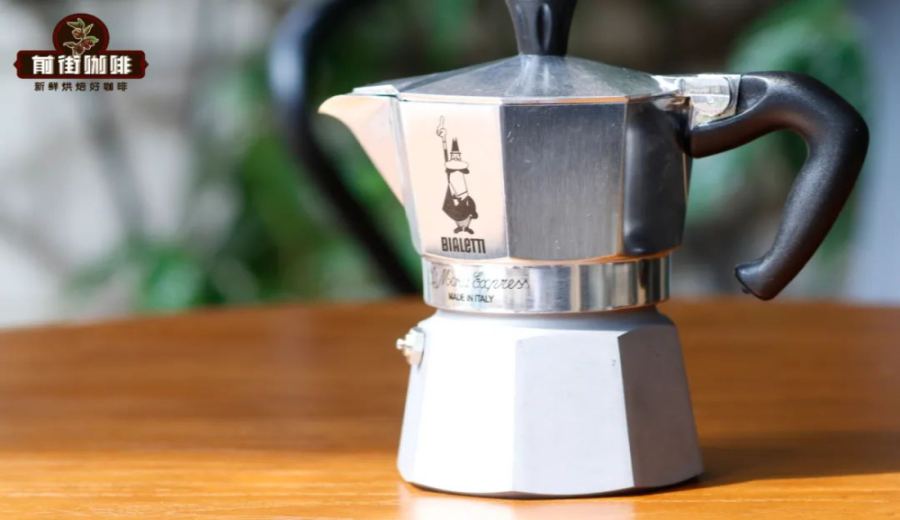
The moka pot can be seen as a microcosm of Italian home coffee culture—not only does it have a long history, but it’s also a beloved classic among coffee enthusiasts worldwide. Long before espresso machines became widespread, many Italian families used the moka pot to brew concentrated coffee at home. This compact, easy-to-use device delivers coffee with flavors reminiscent of those from Italian cafés, making it highly popular.
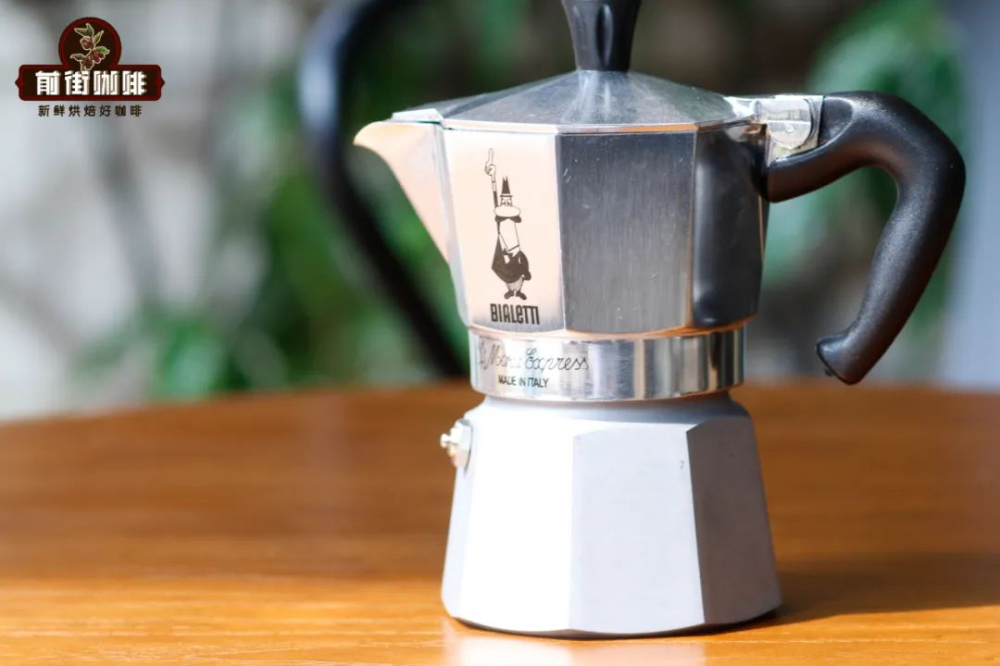
The moka pot was invented in 1933 by Alfonso Bialetti, an Italian aluminum products manufacturer. Based on aluminum welding technology, he created this simple yet ingenious coffee tool. The Bialetti brand has a history of nearly a hundred years, with its headquarters located in Brescia, Lombardy, Italy. Although initial sales were modest, under the leadership of Renato Bialetti after World War II, brand image building and marketing efforts helped the moka pot become an indispensable coffee tool in Italian homes. To date, nearly 280 million moka pots have been sold worldwide.
Moka Pot: Working Principle and Structure
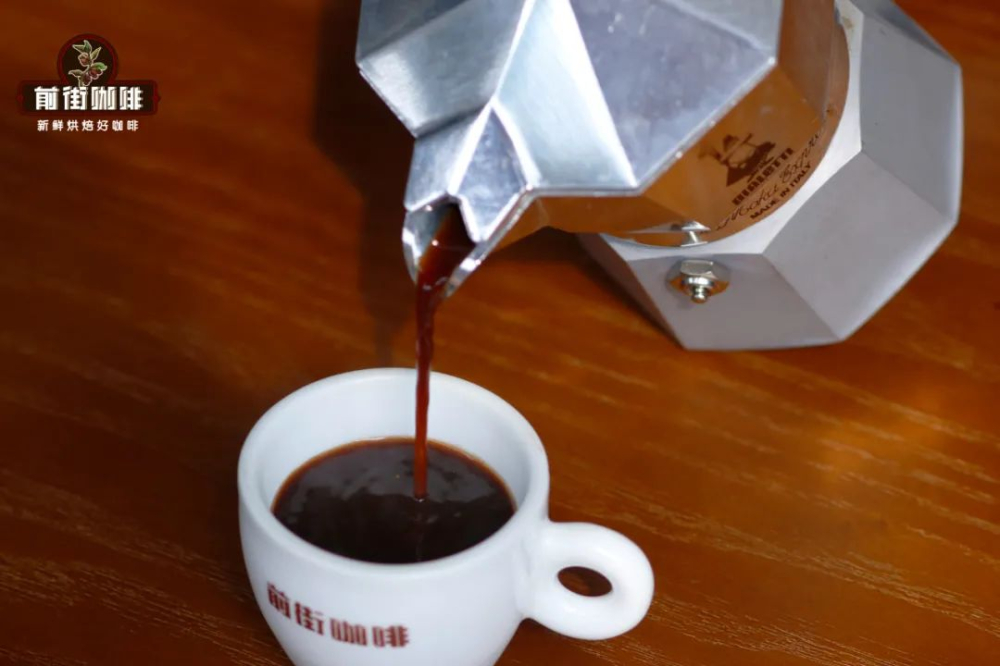
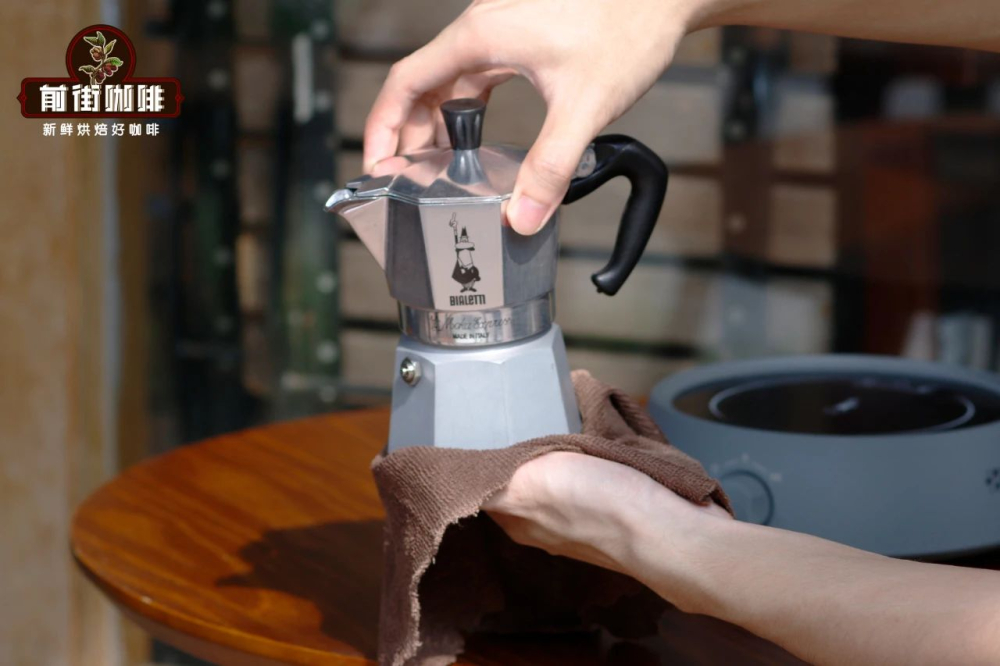
The moka pot consists of two main parts: the lower chamber holds water, which, when heated, generates steam pressure that pushes the hot water upward through a filter filled with ground coffee, ultimately extracting espresso into the upper chamber. While its pressure typically ranges only from 1 to 2 bar—lower than the standard 9 bar of a semi-automatic espresso machine—it is still sufficient to produce a concentrated coffee drink with distinct flavor. However, due to the lower pressure, the coffee brewed with a moka pot usually struggles to develop a rich crema.
Espresso Machine Technological Evolution: From 1885 to the E61 System
The world’s first commercial coffee machine appeared at the 1885 Paris Exposition, exhibited by Loysel, claiming to produce tens of thousands of cups daily. Although actual output fell short, it laid the foundation for the basic concept of steam-pressure extraction. Subsequently, in 1906, Luigu Bezzera invented the first practical commercial espresso machine and applied for a patent. His design emphasized made-to-order service, producing one cup at a time to ensure optimal extraction.
The true technological breakthrough came in 1961 with the “FAEMA E61” coffee machine. Developed by a joint Italian-Spanish team, this device was the first to use an electric pump to provide stable pressure, replacing the previously unstable spring-piston system. It also introduced heat exchange technology to maintain more consistent brewing water temperature. The birth of the E61 system laid the foundation for the design of modern espresso machines, with subsequent innovations such as multi-boiler systems and pressure profiling all extending from this system.
Semi-Automatic Espresso Machine: Professional and Stable, Ideal for Advanced Users
Semi-automatic espresso machines are primarily used in professional settings such as cafés. Their extraction systems are finely calibrated to deliver stable 9 bar pressure and precise water temperature control, making them the top choice for brewing high-quality espresso. For users who wish to delve deeper into coffee extraction techniques and pursue rich crema and layered flavors, semi-automatic machines offer greater operational flexibility and room for skill expression.
In comparison, the moka pot is better suited for general households or users who prefer simple operation. Its low barrier to entry, low investment cost, and portability make it an ideal starting option for enjoying freshly ground coffee.
How to Choose? Decide Based on Your Needs and Budget
If you’re aiming for espresso with rich crema and complex aromas, and are willing to invest time and money in learning extraction skills, then a semi-automatic espresso machine is the better choice. But if you just want to occasionally enjoy espresso at home beyond pour over, without high costs, the moka pot is a more economical and user-friendly solution.
Coffee Bean Recommendation: Medium-to-Dark Roast Beans Suited for Pressurized Extraction
No matter which tool you choose, since both involve pressurized extraction, it’s recommended to use medium-to-dark roast espresso beans to achieve stable extraction results and rich crema.
If you prefer a bold, full-bodied taste and intense aroma, consider blends with a small amount of Robusta, such as a classic medium-to-dark roast blend with notes of butter, caramel, and toast. These blends produce excellent crema and are great for beginners. If you prefer fruity notes, opt for medium-roast beans—such as blends combining Costa Rican honey-processed beans with Ethiopian beans—offering balanced acidity and sweetness, with a smooth texture, ideal for users who enjoy refreshing flavors.
The above content is compiled by CoffeeHunters, a coffee news website.


