








Introduction:As an important coffee-producing country in Africa, Uganda primarily grows Robusta, but its Arabica varieties from high-altitude regions also demonstrate unique potential. This article delves into Uganda's coffee grading system, major producing regions, common processing methods, and the flavor characteristics of various coffee beans, helping readers fully grasp the coffee profile of this East African nation and understand how to identify differences among various grades and varieties.
Located in East Africa at the source of the Nile, Uganda is a landlocked country. Though it has a long history of coffee cultivation, prolonged political instability once hindered the development of its coffee industry, with some high-quality coffee even being transported to neighboring Kenya and sold as local produce. It is only in the past fifteen years, with the stabilization of the situation, that Ugandan coffee has regained international attention and gradually established its own production, sales, and grading systems.
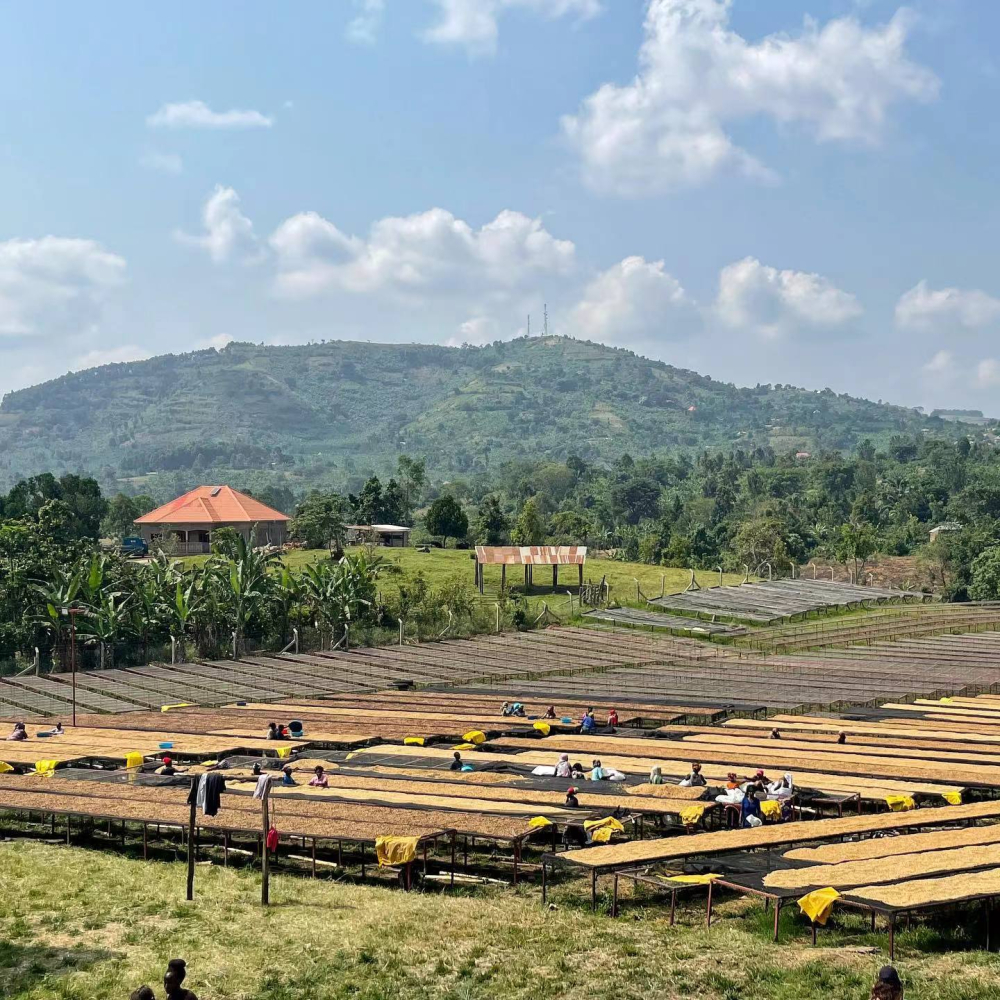
Straddling the equator, Uganda has a tropical highland and savanna climate, with relatively stable temperatures around 18°C throughout the year, along with distinct wet and dry seasons: the long rainy season from March to May and the short rainy season from October to December, with annual rainfall generally ranging between 1,000 and 1,400 millimeters. The country is abundant in forests, lakes, and wetlands, offering plentiful water resources that provide favorable natural conditions for coffee cultivation.
The majority of coffee grown in the country is Robusta, accounting for 94% of total production, mainly cultivated in lowland areas of the central, eastern, western, and southeastern regions at altitudes below 1,200 meters. Arabica, which makes up just 6%, is grown on the slopes of Mount Elgon in the east, as well as the Rwenzori and Mount Muhabura mountains in the southwest at elevations between 1,500 and 2,300 meters. These highland areas, with their cool climates and fertile soils, are suitable for cultivating Arabica varieties with more delicate flavors.
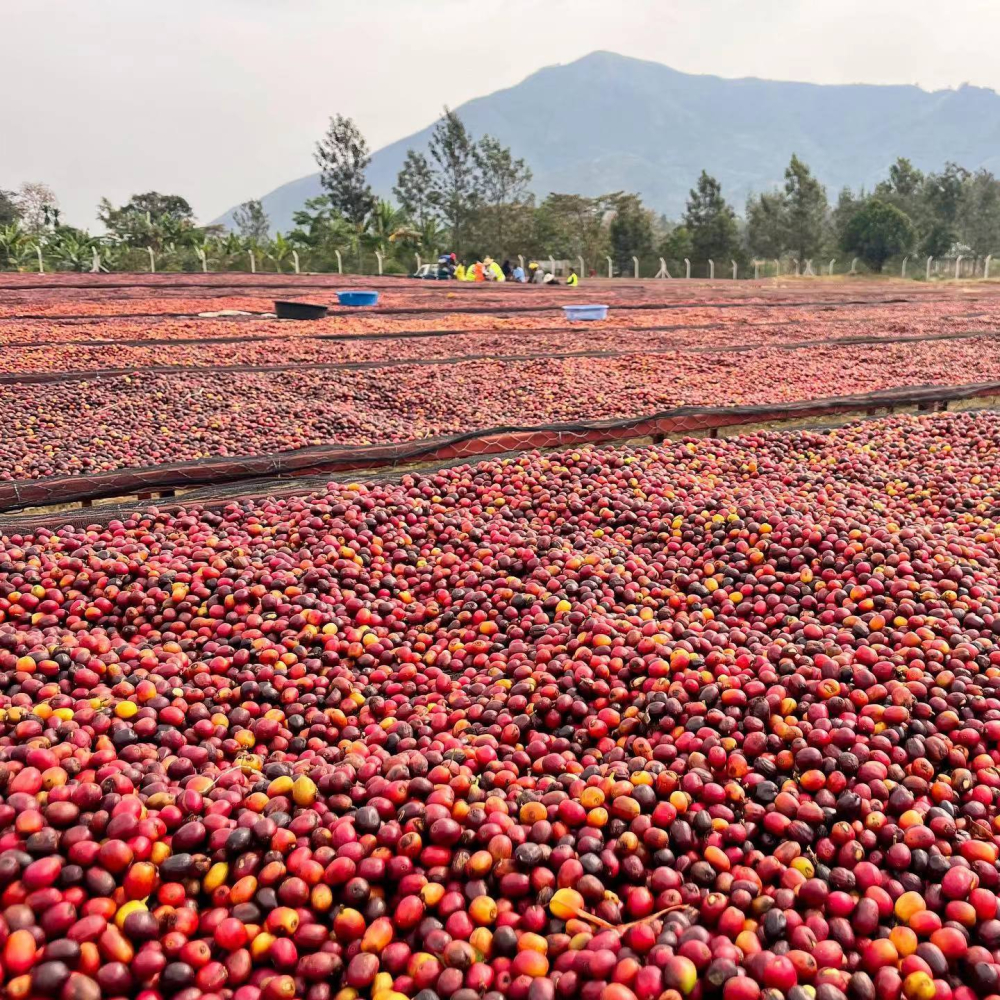
In terms of processing methods, Ugandan coffee mainly employs two traditional techniques: washed and natural (sun-dried). Washed processing highlights the coffee’s cleanliness and acidity, while natural processing enhances sweetness and fruitiness. Different processing methods directly affect the final flavor profile, so consumers may pay attention to processing method labels when making selections.
Uganda’s coffee grading system is primarily based on bean size, density, and cup quality after processing, and is divided into multiple grades:AA Plus (AA+)Represents the top tier, indicating the highest cupping performance among AA-grade beans;AA gradeBeans with a screen size of 17 to 18, considered high-quality large beans;AB gradeIs the most common grade, with bean sizes between 15 and 16;C gradeHas smaller sizes than AB;TT gradeConsists of lightweight beans sifted from AA and AB through air classification;T gradeComes from lightweight beans of the C grade;E grade (elephant ear beans)Are unusually large beans formed by the fusion of two coffee beans;UGAnd there are also beans that do not meet any of the above grading standards; additionally,PB (peaberry)Are separately classified due to their unique shape and are not directly related to flavor.
In terms of varieties, Ugandan Arabica mainly consists of traditional cultivars such as Kent, Typica, SL-14, and SL-28, which often exhibit rich fruit aromas and layered acidity. Robusta, on the other hand, mainly includes 'Uganda Nganda' and 'Erecta', varieties that typically offer intense body and distinctive herbal and nutty notes, suiting consumers who prefer dark roasts and bold flavors.
In terms of flavor profile, Ugandan Arabica coffee often carries deep, ripe fruit aromas with a wine-like, full-bodied mouthfeel, complex layers, and intense juiciness. Compared to Kenyan coffee—which also features pronounced fruitiness and acidity—Ugandan beans add a touch of soft earthy and herbal undertones, forming a more distinctive East African flavor identity. Robusta, meanwhile, showcases a strong balance of bitterness and sweetness, a heavy body, and intense nutty and chocolatey tones, making it an essential base for many espresso blends.
The above content is compiled by CoffeeHunters, a coffee news website.


