







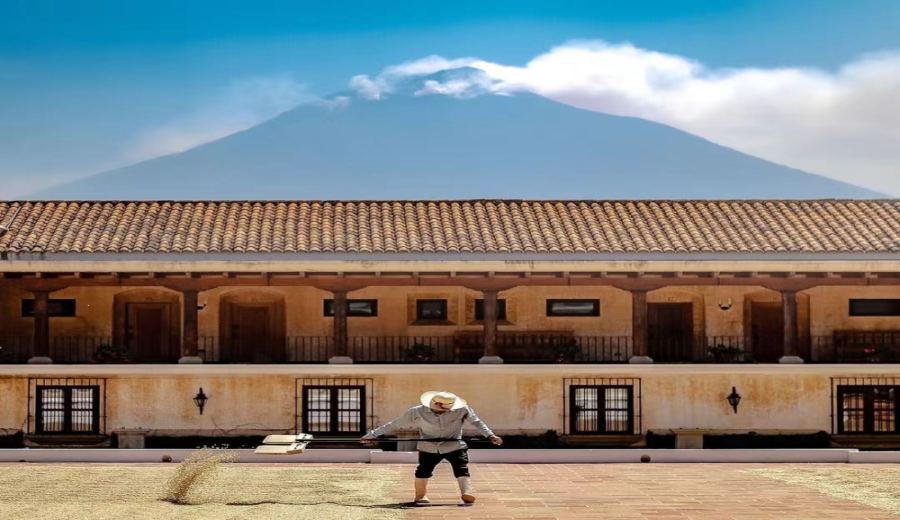
Introduction:This article provides an in-depth exploration of the washed Gesha coffee from Finca Las Rosas in Guatemala’s Huehuetenango region, analyzing whether it truly exhibits pronounced rose-like aromas, and delving into the region’s geographical advantages, varietal characteristics, and processing techniques. The piece also offers practical pour over parameters and brewing recommendations to help coffee enthusiasts fully appreciate the delicate flavors of this high-altitude specialty bean.
In the high-altitude mountainous regions of northwest Guatemala’s Huehuetenango, a unique microclimate and volcanic soil nurture numerous high-quality specialty coffees. Among them, the historic Finca Las Rosas (Rose Estate), dedicated to coffee cultivation since 1915, has achieved international acclaim for its washed Gesha variety — including two selections in the Cup of Excellence (C.O.E.) competition and a remarkable 7th place finish in 2017.
Nestled at an elevation of 1,980 meters in the San Pedro Necta area within the majestic Cuchumatanes mountain range, Finca Las Rosas derives its name from the founder’s grandmother’s love for roses. To this day, the tradition of planting roses around the farmhouse continues. Current owner Isabel Villatoro Hernandez upholds the family legacy while continuously upgrading equipment and processing methods to ensure each batch of coffee meets the highest standards of quality.
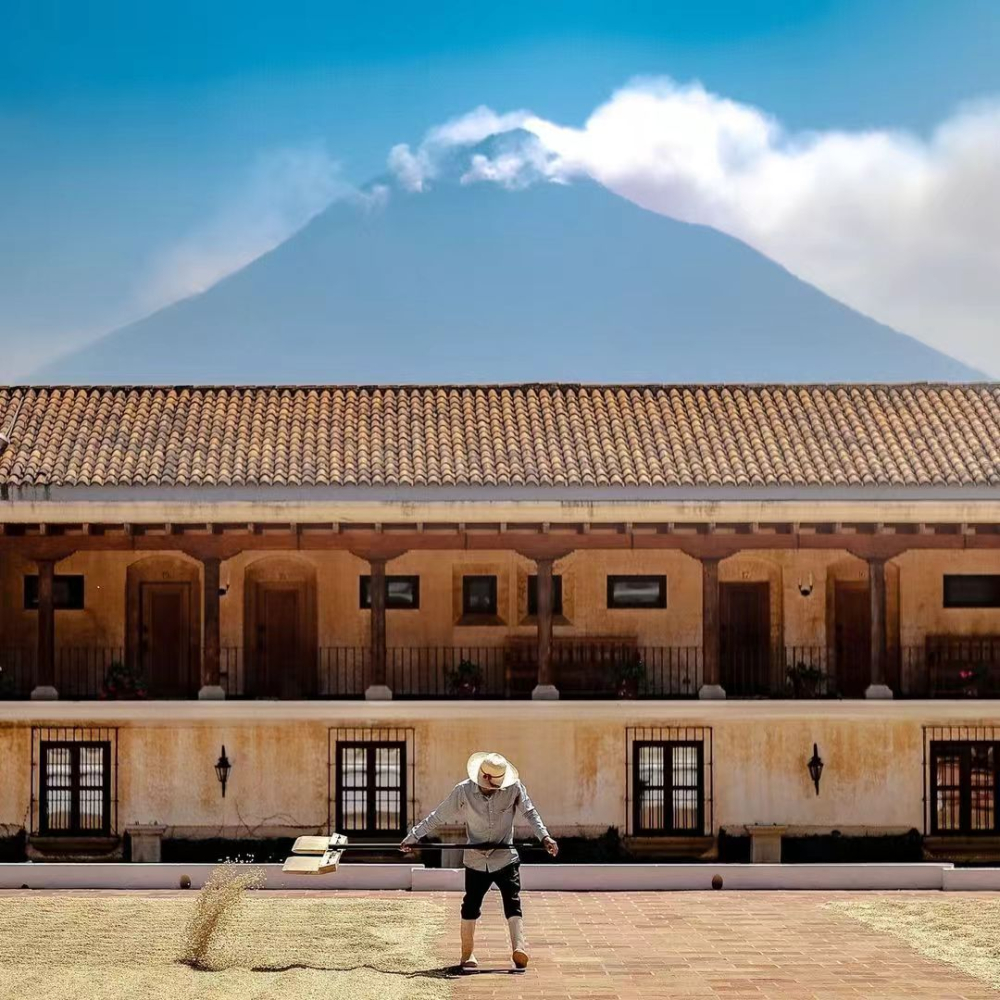
The Gesha coffee from Finca Las Rosas is processed using the washed method and is of the distinctive Geisha variety (also translated as Gesha). The green beans are classified as SHB (Strictly Hard Bean), grown in high-altitude conditions that result in bright acidity and a complex aromatic profile. Official flavor notes include rose, bergamot, lemon, and honey, with a smooth mouthfeel and a long-lasting aftertaste — making it a classic choice for coffee lovers exploring high-altitude washed coffees.
Guatemala’s Huehuetenango region is one of the world’s highest-altitude coffee-growing areas, with elevations ranging approximately from 1,800 to 2,100 meters. Due to its location on a dry plateau and the influence of warm winds from Mexico’s Tehuantepec Plateau, the risk of frost is significantly reduced, allowing coffee trees to thrive at altitudes close to 2,000 meters. Moreover, the region is crisscrossed with streams that provide ample clean water even during drier periods — ideal for washed processing, which is why the technique is widely adopted here.
Guatemala’s coffee cultivation history dates back to 1750 when it was introduced by Jesuit priests. By the late 19th century, German immigrants had significantly expanded the coffee industry. The country is divided into eight major coffee-growing regions — five volcanic and three non-volcanic. Although Huehuetenango is a non-volcanic region, its high altitude and unique microclimate produce coffees often characterized by pronounced floral notes, citrus tones, and tea-like aftertastes, representing the higher echelons of Guatemalan coffee.
In terms of varieties, the region aligns with Guatemala’s mainstream plantings, primarily featuring Bourbon, Typica, Caturra, and Catuaí, with Bourbon and Typica more common in specialty-grade lots. The Gesha variety at Finca Las Rosas is one of the few premium varieties introduced, as it demands very specific growing conditions and can only achieve optimal flavor profiles in certain microclimates.
Regarding processing methods, washed processing is widely used in Guatemala, as it effectively highlights the region’s "terroir." The general process involves first removing the outer skin and some pulp from harvested coffee cherries using a pulper, followed by fermenting the mucilage-covered beans for about 24 hours. Then, the beans are thoroughly washed with clean water, and subsequently sun-dried or mechanically dried until the moisture content drops to around 12%. Finally, the parchment is removed for storage and transportation. This method results in a clean, bright cup with a well-defined acidity.

For pour over enthusiasts, it is recommended to use medium-light roasted Guatemalan washed Gesha to preserve its rich fruity and floral aromas as well as its delicate acidity. A V60 dripper is suggested, paired with 91°C water, medium-fine grind (such as passing around 80% through a Chinese No. 20 sieve, similar in coarseness to fine sugar), and a 1:15 coffee-to-water ratio for extraction. In practice, a three-stage pouring method can be employed: the first stage involves pouring double the coffee’s weight in water (e.g., 60g water for 30g coffee) for a 30-second bloom to release CO₂; the second stage uses a slow stream to add water up to 125g; and the third stage brings the total to 225g, with the overall extraction time kept around 2 minutes to help balance flavors and enhance clarity.
In terms of drinking experience, this coffee typically showcases pronounced citrus and lemon peel acidity, with berry and honey sweetness in the mid-palate, and a tea-like finish complemented by soft nutty undertones. Compared to Gesha from other regions, this washed version offers a cleaner and more refreshing profile, making it ideal for those who enjoy delicate acidity and bright aromatics.
If you’re new to pour over coffee, it’s recommended to choose freshly roasted beans and allow for a 4–7 day degassing period post-roast to achieve optimal flavor. Alternatively, for convenience, pre-ground coffee can be used, but note that ground coffee is prone to oxidation upon exposure to air — so it’s best to brew it as soon as possible to enjoy its full aroma. For the most authentic regional experience, grinding whole beans just before brewing is the ideal choice.
The above content is compiled by CoffeeHunters, a coffee news website.


