







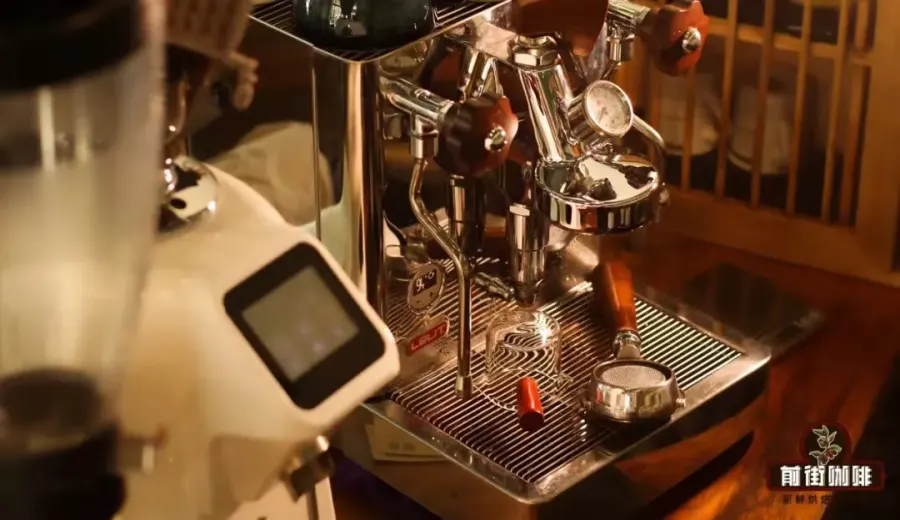
Introduction:To brew rich and smooth espresso at home that rivals café-quality, the key lies in mastering the correct extraction parameters, grind size, and coffee bean selection. This article will thoroughly explain the principles of espresso brewing, how to assess the extraction state, standard reference values, and suitable types of coffee beans. It will help you make step-by-step adjustments from the basics toward achieving professional-grade flavor.
Espresso is renowned for its intense and bold flavor profile. However, many people encounter issues such as over-extraction resulting in bitterness or under-extraction leading to weak flavor when brewing at home. To successfully produce an ideal shot of espresso, it’s essential to start with an understanding of its fundamental brewing principles and to master the relationship between coffee-to-water ratio, grind size, and pressure.
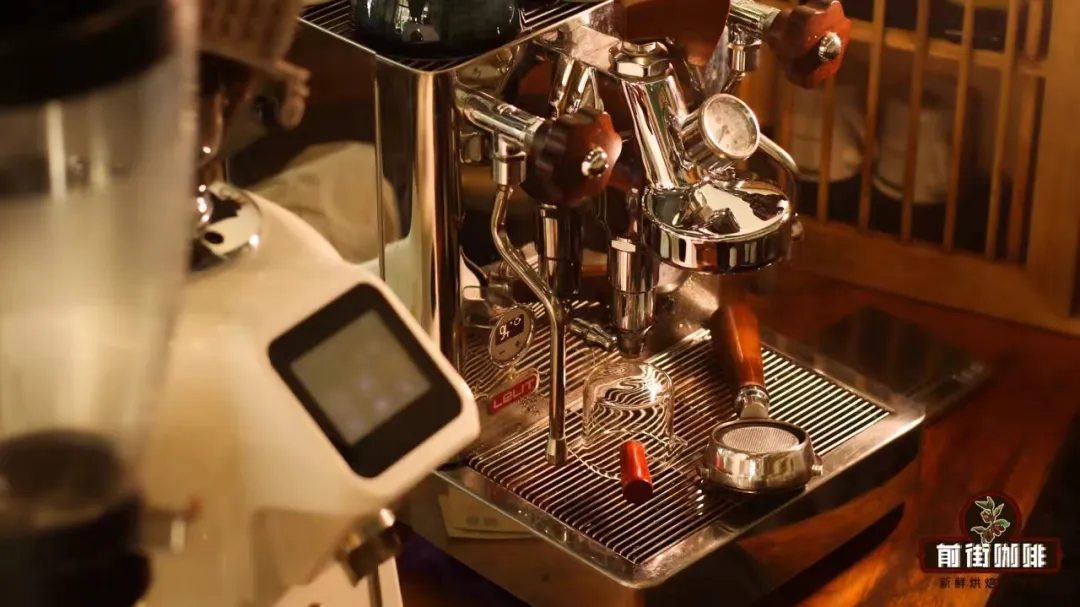
Espresso is not simply about adding hot water to ground coffee—it is produced using a specialized espresso machine that forces hot water through finely ground coffee under high pressure. Typically, this process occurs at around 94°C with 9 bars of pressure, extracting the coffee in 25 to 30 seconds to form a thick, honey-like liquid.
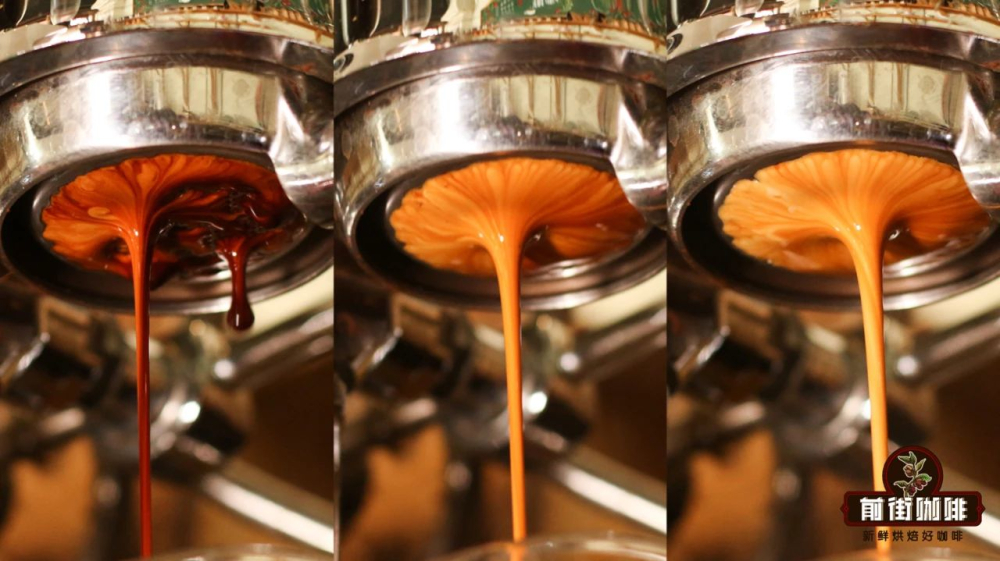
Observing the flow rate and color changes during extraction is a key indicator of the extraction status. The initial coffee liquid usually flows out as a deep brownish-red, moving smoothly with a silky texture. As extraction progresses, the color gradually transitions to golden, and may eventually become light gold. If the flow is too fast, leading to a short extraction time, it usually indicates that the grind is too coarse or there isn’t enough coffee, often resulting in a thin or watery taste. Conversely, if the flow is too slow, the color turns dark, and burnt or bitter flavors emerge, it may be due to overly fine grinding or excessive tamping, causing over-extraction.
For home use, a practical starting set of reference values is: when using a double shot basket, use 20 grams of very finely ground coffee, aiming to extract 40 grams of coffee liquid, achieving a coffee-to-water ratio of about 1:2, with time controlled between 25–30 seconds. For a single shot basket, a base is 10 grams of coffee to yield 20 grams of liquid. Whether using a double or single basket, it’s recommended to maintain 9 bars of pressure and a water temperature of about 94°C. Of course, each coffee machine and grinder has slightly different characteristics, so in practice, minor adjustments should be made based on extraction results.
If the extraction is too fast, it is suggested to adjust the grind finer or slightly increase the amount of coffee. If the extraction is too slow, you can make the grind coarser or reduce the amount of coffee used. When adjusting, it is best to change only one variable at a time to more accurately find the optimal balance.
As for coffee bean selection, for beginners trying espresso for the first time, it is recommended to start with espresso blends specifically designed for espresso. Blends are typically made by combining beans from different regions in specific proportions. They not only offer stable flavor layers but also present balanced taste under high-pressure extraction, and are less likely to show obvious flaws compared to single-origin beans.
If you prefer an espresso rich in fruity notes with floral undertones, you can choose blends that combine beans from Central and South America with African beans. These blends often feature citrus, berries, and subtle floral notes, and are more likely to deliver sweetness and a soft caramel finish when milk is added. If you’re more inclined toward classic, bold flavors with low acidity, medium to dark roasted blends are a good option. These beans usually exhibit intense notes of nuts, dark chocolate, and caramel, with a full body and long-lasting aftertaste.
The actual steps for brewing espresso are not complicated, but each stage affects the final result. First, turn on the coffee machine and allow it to preheat to a stable working temperature, usually waiting for the automatic heating process to complete. Next, select freshly roasted coffee beans and grind them into an extremely fine powder using a dedicated espresso grinder—fineness similar to caster sugar or finer—to ensure it can withstand high-pressure extraction.
Place the ground coffee into the appropriate portafilter basket (depending on whether your machine uses single or double shots), and evenly distribute the grounds using your fingers or a distribution tool. Then, use a tamper to apply downward pressure to compact the coffee bed, ensuring the surface is level and firm. The tamping pressure is recommended to be around 30 pounds, and maintaining consistency helps achieve stable extraction results.
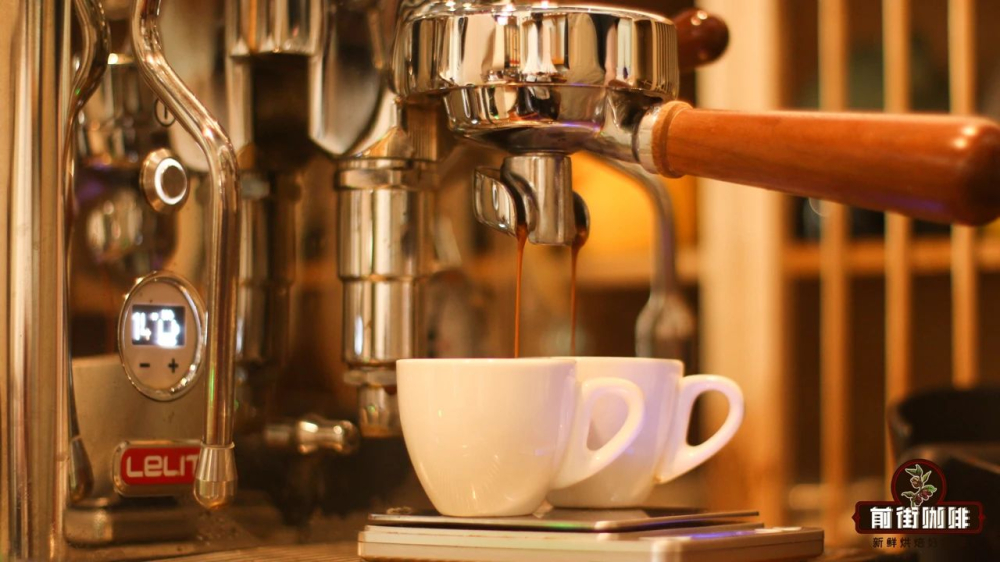
Finally, securely attach the tamp-loaded portafilter to the machine’s group head, ensuring it is tightly fitted without leaks, then start the extraction process. Once the coffee begins to flow steadily, observe its color and flow rate, and stop the extraction once the desired volume and time are reached. The resulting espresso should have a rich aroma, full body, and smooth texture, indicating that you’ve successfully mastered the basic techniques of espresso extraction.
The above content is compiled by CoffeeHunters, a coffee news website.


