








Introduction:Although Peruvian coffee has long been seen as the "stabilizer" in blends, it actually harbors untapped quality potential. From the high-altitude growing conditions of the Andes Mountains to the unique shade-washed processing methods, to its delicate and mild acidity profile, this guide will take you deep into the characteristics of Peru’s three major producing regions, its mainstream coffee varieties, and the key factors influencing flavor — an essential read for exploring fine South American coffee.
Among the many coffee-producing countries in South America, although Peru may not be as well-known as Colombia or Brazil, it possesses a highly promising ecosystem for organic and high-altitude coffee. In the past, Peruvian coffee was often used as the "rich base" in blend recipes, serving to balance the bold personalities of beans from other regions. However, in recent years, with the international market’s increasing emphasis on nuanced flavors and sustainable cultivation, Peruvian coffee — with its gentle acidity, balanced mouthfeel, and organic farming background — has gradually stepped onto the global stage, becoming a hidden pearl in the specialty coffee market.
Looking back at the development history of Peruvian coffee, it dates back to the late 19th century. Affected by civil wars, political instability, and economic decline, the country’s coffee industry stagnated for a long time, with minimal exports and even falling into oblivion in the international market. It wasn’t until the mid-to-late 1990s, with the rise of global specialty coffee, that Peruvian coffee re-entered the spotlight. Interestingly, due to years of interrupted cultivation, many ancient coffee varieties such as Typica managed to survive, forming the flavor foundation of today’s Peruvian coffee. Coupled with the widely adopted practices of shade-grown cultivation and washed processing, Peruvian coffee meets high standards of organic and environmental certifications, earning consistent international acclaim.
Geographically, Peru is located in western South America, with about one-third of its territory covered by the Andes Mountains and a coastline stretching 2,254 kilometers. The climate is predominantly tropical desert and alpine, characterized by dryness and large diurnal temperature variations. Such an environment provides ideal growing conditions for coffee trees — especially in regions between 1,300 and 1,850 meters above sea level, which produce beans with delicate flavors and bright acidity. Some high-altitude areas can even reach up to 2,000 meters, resulting in even richer and more complex aromatic profiles.
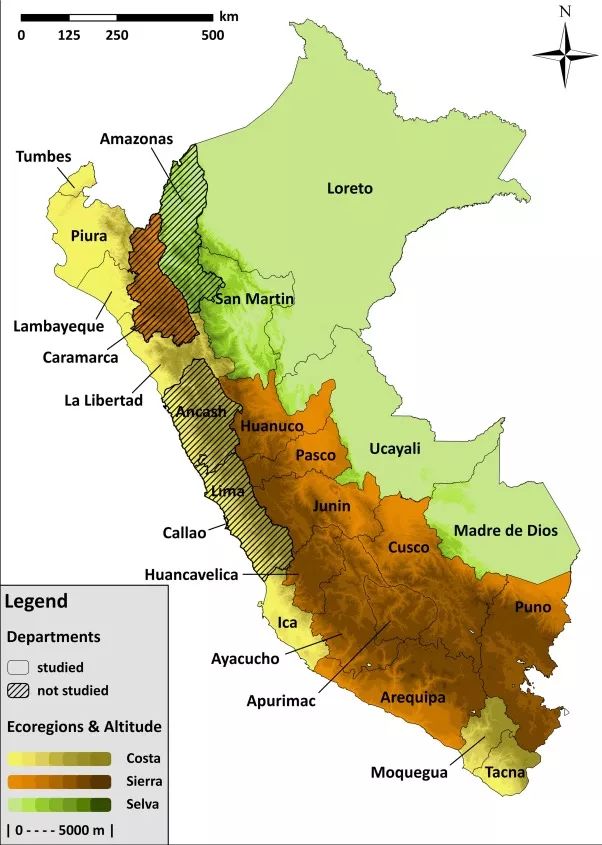
Peru’s coffee cultivation is mainly concentrated in three geographical regions, each yielding distinctly flavored beans due to differences in climate, altitude, and microclimate:
Cajamarca Region (CAJAMARCA) — Located in northern Peru, it is a key area at the northern end of the Andes. With an equatorial climate and fertile soil, this region is home to many smallholder farmers, who often organize production through cooperatives, such as the well-known CENFROCAFE, which not only provides technical support but also helps farmers with roasting and local sales. Major planted varieties include Typica, Caturra, Bourbon, and small amounts of Panha and Catuaí. The harvest season runs from March to September, with altitudes ranging from 900 to 2,050 meters, where high-altitude beans often exhibit more elegant acidity and layered aromas.
Junín Region (JUNIN) — Located in the central part, though smaller in area than the north, it accounts for 20% to 25% of national production. Many areas here fall within tropical rainforest zones, and the industry suffered interruptions in the past due to civil wars and disease, only gradually recovering by the late 1990s. Junín coffee is known for its well-balanced acidity, mild and light aroma, and smooth, easy-drinking mouthfeel. The main varieties are also Typica, Bourbon, Caturra, Pache, and Catuai, grown at altitudes between 1,400 and 1,900 meters, with the harvest season similarly concentrated from March to September.
Cusco Region (CUSCO) — Located in the south and famed for the tourist destination Machu Picchu. Most coffee here is grown by small family farms — though not large estates, they benefit from proximity to the high-altitude Andes, allowing for the cultivation of coffee with rich flavors and complex layers. The variety selection is diverse, including Bourbon, Typica, Caturra, Pache, Modo Novo, Catuai, and Catimor, at elevations ranging from 1,200 to 1,900 meters, with the harvest season also from March to September. Coffee from this region often exhibits pronounced fruity and nutty notes, appealing to coffee lovers who enjoy complex flavors.
In terms of production, Peru is one of the world’s important coffee-producing countries, with approximately 98% of its coffee grown in forested areas, predominantly by smallholders. Despite challenges such as civil wars, drug trafficking issues, and the cholera epidemic in the 1990s — all of which led to economic instability and high inflation — the rising international demand and attractive pricing have driven more farmers toward coffee cultivation. The government and private entities have also gradually stepped in, establishing exporter associations like Comercializadora de Exportadores de Café del Perú, striving to improve quality standards, select premium batches, and ensure Peru’s international reputation.
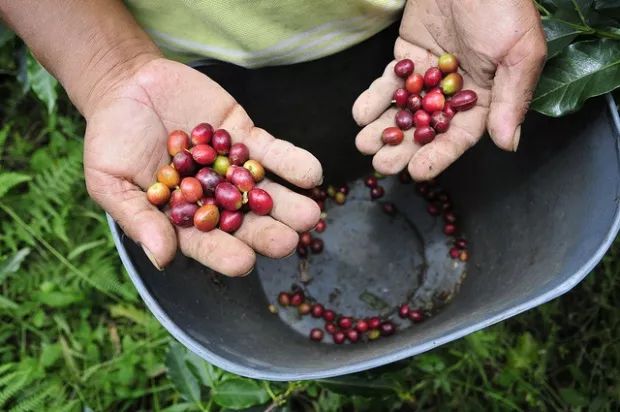
In terms of quality grading, Peru primarily uses altitude and bean size as key criteria. Coffee grown at higher altitudes typically has longer growth cycles, resulting in more intense flavors and firmer bean structure. Generally,Strictly High Bean (SHB) – Strictly Hard Bean is defined as beans grown at altitudes above 1,350 meters, whileHigh Bean (HB) – Hard Bean refers to those grown between 1,200 and 1,350 meters. Additionally, the percentage of defective beans is another important grading factor, and many buyers further determine the final grade through cupping to ensure flavor consistency.
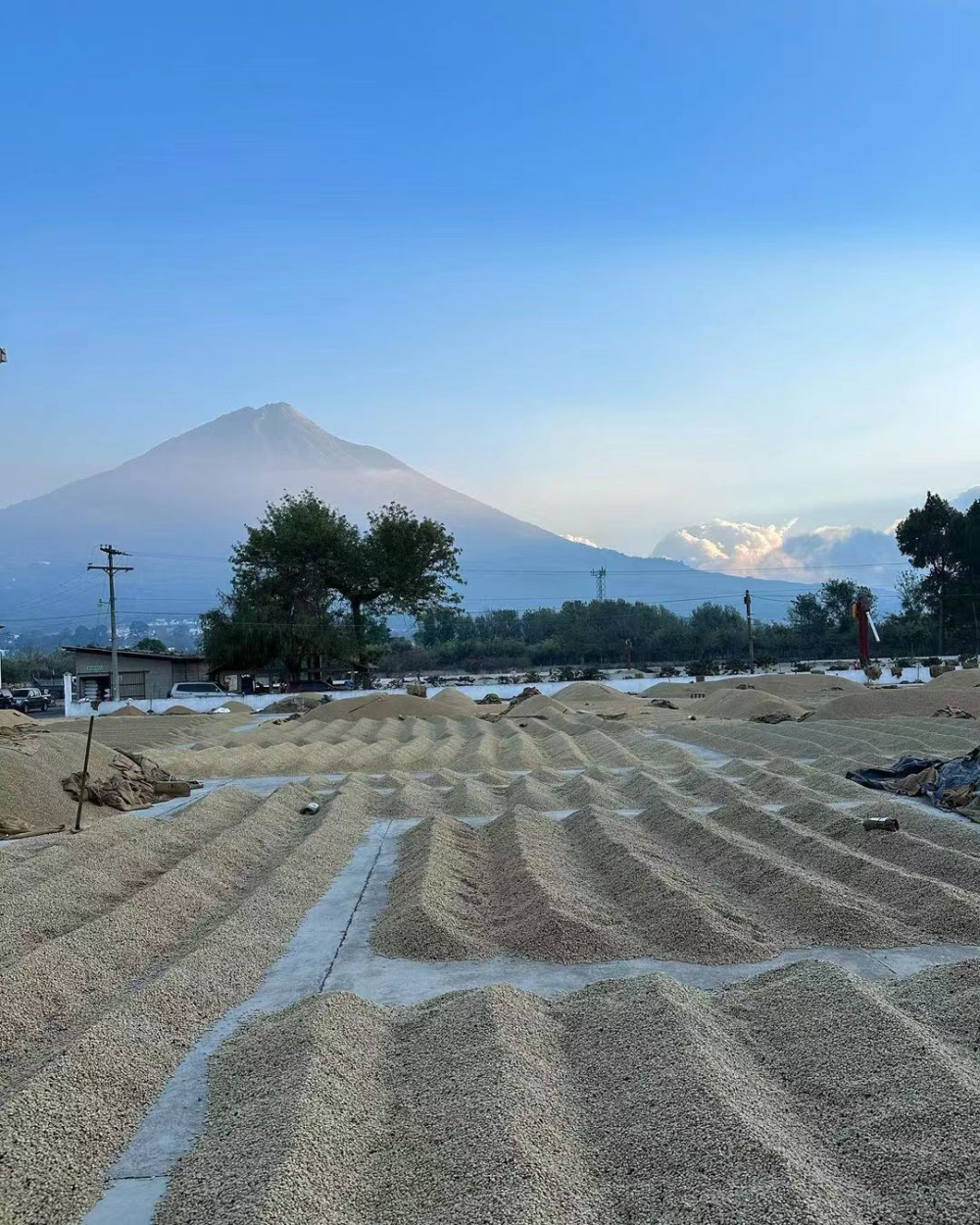
In processing methods, due to Peru’s relatively abundant water resources, the washed process is the primary method used locally. The process includes flotation to remove low-density fruit, mechanical removal of skin and pulp, fermentation to remove the mucilage layer (sometimes with water, sometimes without), thorough rinsing with clean water, and finally drying in the sun to reduce moisture content to 11%–13%, while retaining the parchment layer until just before export. This traditional processing method helps preserve the coffee’s cleanliness and delicate acidity, and is one of the key factors enabling Peruvian coffee to stand out in the international market.
Overall, Peruvian coffee is known for its gentle and balanced acidity, delicate fruitiness, and nutty tones, making it suitable for coffee lovers who prefer a smooth mouthfeel and layered yet clear aromas. Whether as a morning pick-me-up single origin or an experimental subject for exploring different altitude flavors in pour over, Peruvian coffee offers a rich and surprising taste experience. By understanding its regional differences, variety composition, and processing features, you’ll be able to more precisely appreciate the unique charm of this hidden gem of South America.
The above content is compiled by CoffeeHunters, a coffee news website.


