







Introduction:Want to dive deeper into the unique personalities of coffee beans from around the world? This article takes you on a systematic journey through Latin America, Africa, and the Asia-Pacific—the three major coffee-growing regions—covering everything from growing environments and processing methods to flavor profiles. We break down classic flavor characteristics such as cocoa-nutty tones, bright acidity, and rich spice notes, and include practical drinking recommendations to help you choose the right beans based on your taste preferences.
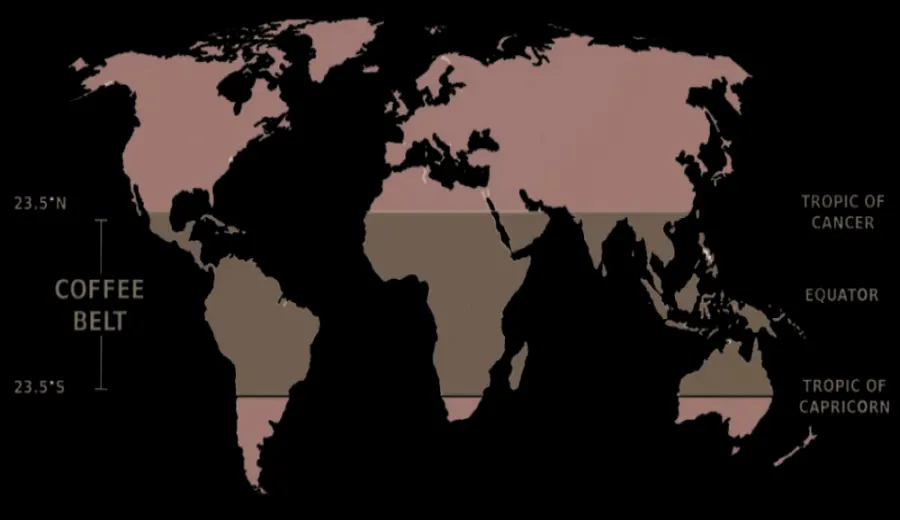
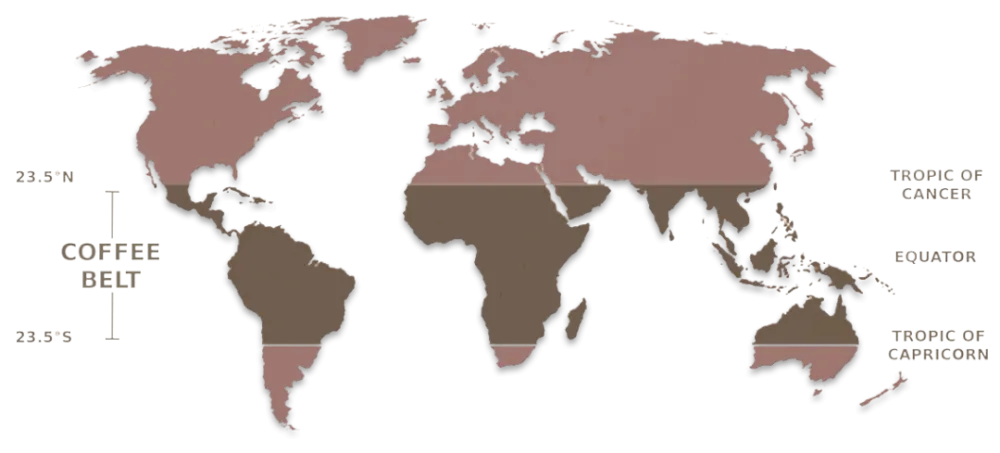
The flavor profile of a cup of coffee is often deeply rooted in the soil and climate where it’s grown. The world’s major coffee-growing belts can be divided into three regions: Latin America, Africa, and Asia/Pacific. Each region, due to differences in terrain, altitude, and processing techniques, produces distinctly unique coffees. Latin American coffees are known for their smooth and balanced profiles, often featuring a solid foundation of cocoa and nuts; Africa, the birthplace of coffee, offers beans that typically showcase vibrant citrus acidity and rich floral notes; while Asia-Pacific coffees are famed for their bold body and herbal-spicy aromas. Next, we’ll explore the representative features and practical drinking information of these three major regions in depth.
[Latin America Region: Balanced and Mellow Classic Flavors]
Coffees from this region are known for their balanced taste and gentle acidity, making them ideal for drinkers who prefer a stable and consistent experience. As the world’s largest coffee producer, Brazil often delivers beans with a round and full-bodied texture, paired with moderate medium acidity and a distinct sweet aftertaste. These beans are particularly well-suited for use in blends but can also be enjoyed on their own for their smooth character. The Colombian region, on the other hand, excels in delivering a robust mouthfeel. Different roast levels can bring out a variety of layered flavors—from elegant fruitiness to deep caramel notes. Its acidity balanced by sweetness makes Colombian coffee suitable for most brewing methods.

[Africa Region: Vibrant Representatives of Bright Acidity and Fruit-Floral Aromas]
As the genetic homeland of coffee, African beans generally exhibit high acidity and lively flavor profiles. Classic Ethiopian offerings often exude pronounced floral and fruity sweetness, with almost no bitterness and a refreshing taste—allowing you to enjoy their pure character without complex pairings. Well-known Kenyan varieties are famed for their distinctive fruit acidity, often carrying fresh aromas reminiscent of cherry tomatoes, along with deeper fruit tones like black plum and pear. They show outstanding body and are especially suited for those who crave a juice-like coffee experience. Rwanda’s premium Bourbon varieties showcase bright citrus notes, gradually releasing honey-like sweetness in the mid-palate, and finishing with the gentle aftertaste of almond and chocolate.
[Asia/Pacific Region: Bold Body with Herbal and Spice Traits]
Coffees from this region are characterized by their rich mouthfeel and unique aromatic profiles, often featuring earthy notes like pine and forest. Classic Indonesian offerings, after being dark roasted, develop layers of caramel, pine, and dark chocolate, while their unique herbal and spice base adds further complexity. Small-to-medium bean varieties from China’s Yunnan region present a mellow combination of nuts, chocolate, and brown sugar, with a tea-like quality that makes them ideal for drinkers who prefer a softer profile. Overall, they deliver a balanced taste with no noticeable bitterness or astringency.
The above content is compiled by CoffeeHunters, a coffee news website.


