







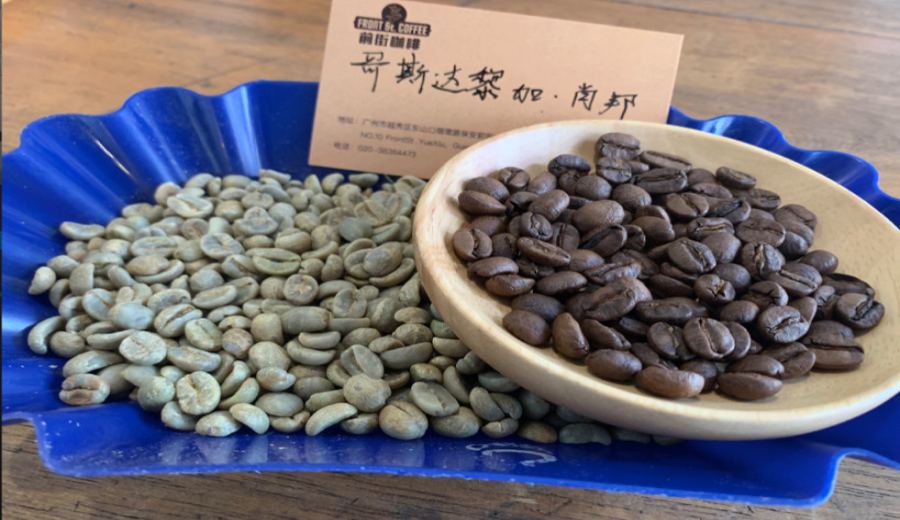
Introduction:Want to understand how the same Costa Rica Canet Estate Chopin coffee beans perform in flavor across different pour over drippers? This article presents real-world tests using the Hario V60, Bingtong (Ice Pupil), Strawberry, and Origami drippers. It details the structural features of each tool, precise parameter settings, and segmented brewing techniques, while comparing differences in rose-like floral notes, sweetness intensity, and aftertaste — helping you find your ideal brewing setup.
The Musician Series coffee beans launched by Costa Rica Canet Estate have garnered significant attention among coffee enthusiasts in recent years. Among them, the new addition “Chopin” stands out during cupping sessions with its distinct rose-like floral aroma and rich sweetness. To further explore this bean’s potential across different pour over tools, this test selected four popular drippers — the Hario V60, Bingtong dripper, Strawberry dripper, and Origami dripper. By adjusting grind size, water temperature, brew ratio, and pouring technique, we analyze how each affects the final aroma, acidity, sweetness, and overall balance.
How does dripper design influence extraction flavor?The structure of each dripper — including rib arrangement, bottom hole size, and filter paper fit — directly impacts water flow rate, coffee bed saturation, and ultimately extraction efficiency and flavor expression. Next, we’ll break down the real-world performance of these four drippers one by one.
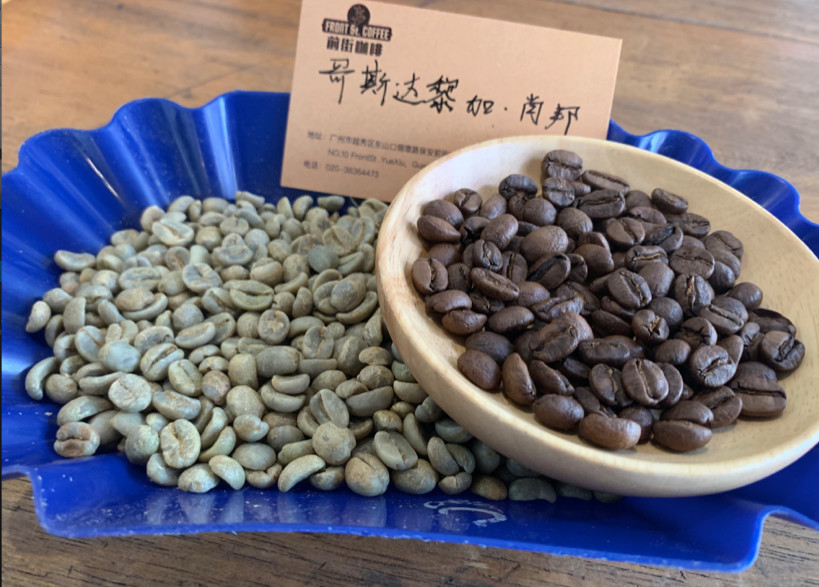
Hario V60: A classic combination of clear floral and fruity acidity
This classic dripper features a single larger bottom hole paired with curved, vortex-shaped ribs that guide water to evenly penetrate the coffee bed. Although the large hole can speed up flow, the curved ribs effectively slow the water, giving the coffee grounds more time to release aromatic compounds and sweet substances.
Test parameters: 15g coffee, medium-fine grind (approx. 78% passing through a Chinese standard No. 20 sieve), 90°C water temperature, 1:15 brew ratio. Using a segmented extraction method — first a 30-second bloom with 30g water, then pouring 90g water (total 120g) with a small stream, followed by another pour to 225g after the water level drops slightly, and finally removing the dripper just before the coffee bed is exposed, with a total brew time of about 1 minute 56 seconds.
Flavor profile: The wet aroma features prominent rose-like floral notes with slight fermentation undertones. The cup highlights citrus acidity with berry notes, sweetness expressed as layers of raisin and cane sugar, and a clean tea-like finish. Overall, it's bright and refreshing.
Bingtong (Ice Pupil) Dripper: Immersion effect creates a soft berry profile
What sets the Bingtong dripper apart is its stepped vertical ribs and a "suspended" space between the bottom and the filter paper, nearly fully sealed at the top. This design minimizes simple filtration effects under high water flow or elevated temperatures, mimicking immersion brewing similar to the KONO dripper, which helps avoid under-extraction.
Test parameters were adjusted to a medium-fine grind (58% passing through a No. 20 sieve), with other conditions similar to the V60. The pouring sequence includes a 30g bloom, followed by 100g water (total 130g), then continued pouring to 226g, with a total brew time of about 2 minutes 2 seconds.
Flavor characteristics: The wet aroma leans more toward osmanthus and fermentation notes. The acidity becomes a softer blend of strawberry, lemon, and citrus, with sweetness focused on cane sugar. The mouthfeel is round and the aftertaste carries lingering fruitiness.
Strawberry Dripper: Dot-patterned ribs control flow for improved extraction evenness
The Strawberry dripper’s inner ribs are designed to mimic the seed distribution on a strawberry’s surface, arranged in dots, along with a relatively small bottom hole. This naturally slows the water flow, extending brew time and improving overall extraction efficiency. Additionally, the multiple protrusions prevent the filter paper from fully sealing against the dripper, avoiding over-extraction while also helping trap fine particles. This allows coarser grounds to better release their optimal flavors.
Testing maintained a medium-fine grind (58% passing through a No. 20 sieve) and 1:15 brew ratio, but increased the bloom water to 35g. The first pour was 95g (total 130g), followed by pouring to 226g, with a total brew time of about 2 minutes.
Flavor presentation: The wet aroma boasts rich floral and fermentation notes. The cup offers a blend of strawberry, tropical fruit, and creamy textures. Sweetness is clear, and the aftertaste balances a hint of milkiness with fruit acidity.
Origami Dripper: Ceramic heat conduction and deep grooves accelerate extraction
The Origami dripper features multiple deep vertical grooves along the edge, paired with a large bottom hole. Even with ceramic material, it maintains good flow rate. The ceramic body offers excellent heat conduction and retention, helping stabilize the brewing environment. For this test, a flat-bottom filter paper was used to ensure even distribution of the coffee bed, further enhancing extraction consistency.
Test parameters were the same as previous drippers: 38g bloom, first pour of 90g (total 128g), then continued pouring to 225g, with a total brew time of about 1 minute 58 seconds.
Flavor traits: The wet aroma is dominated by fermentation notes. The cup presents a sweet-tart profile of strawberry and tropical fruit, while the aftertaste combines dried fruit sweetness with cane sugar, along with a green-tea-like fresh note. The cup is layered and the aftertaste lingers.
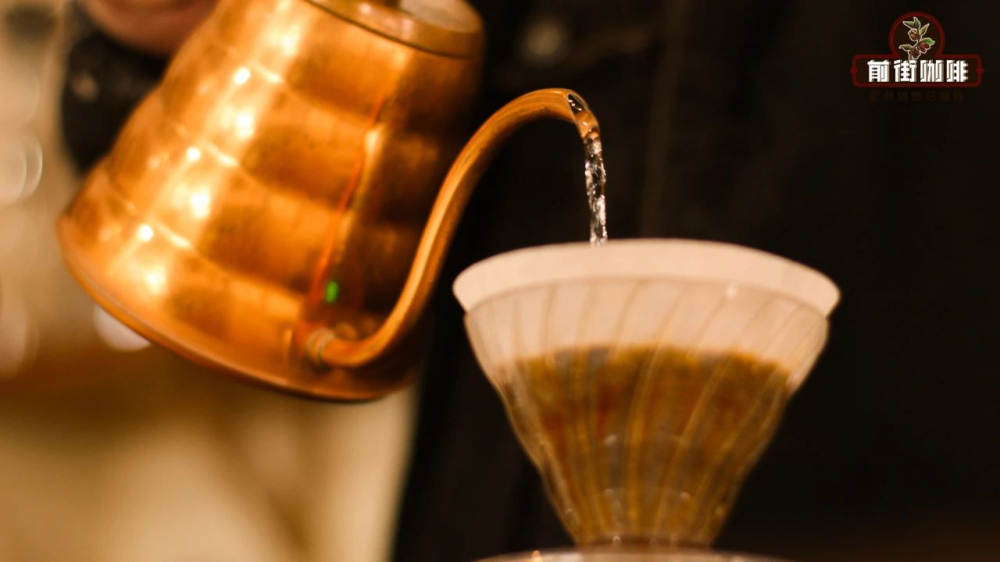
Conclusion: Which dripper is best for you?
Based on the test results of all four drippers, regardless of which one you choose, the Costa Rica Canet Estate Chopin showcases a distinctly sweet profile. If you prioritize clarity and layering in aroma, the V60 and Strawberry drippers perform exceptionally well. For overall flavor balance and stability, the Origami dripper has a slight edge. If you prefer a softer mouthfeel and a long-lasting aftertaste, the Bingtong dripper is a great option. Feel free to select the brewing setup that best suits your taste preferences and savor the unique charm of this Musician Series coffee bean.
The above content is compiled by CoffeeHunters, a coffee news website.


