







Introduction:From the first coffee tree in Zhukula to the rising force of specialty coffee, Yunnan coffee has undergone a century of evolution, transforming from an instant coffee raw material into a production region that attracts global attention. This article delves into the grading standards of Yunnan small-grain coffee, the characteristics of the Typica and Catimor varieties, and provides professional pour over recommendations, including V60 filter parameters such as coffee-to-water ratio, water temperature, and three-stage pouring techniques to help you master the brewing secrets and unique flavors of Yunnan coffee.
The story of Yunnan coffee began in 1904 with the first coffee tree planted by a French missionary in Zhukula. From early Typica and Bourbon to today’s dominant Catimor variety, Yunnan coffee has traversed a long path from a commodity crop to specialty transformation. This plateau land, with its unique geography and climate, has gradually made its mark in the global specialty coffee market.
China’s coffee planting history can be traced back a hundred years. In 1904, a French missionary introduced coffee seeds to Zhukula in Yunnan, planting the seed for the future coffee industry. By 1937, patriotic overseas Chinese Liang Jinshan imported seeds from Myanmar and planted the first coffee fields in Luxi Dam, Baoshan. At that time, Typica and its variant Bourbon were mainly cultivated, with the planting area once reaching 50,000 mu. However, subsequent outbreaks of coffee leaf rust severely reduced yields of these traditional varieties. It wasn’t until the 1980s, driven by foreign companies like Nestlé, that the disease-resistant and high-yield Catimor variety gradually replaced traditional small-grain beans to become the mainstay of Yunnan coffee.
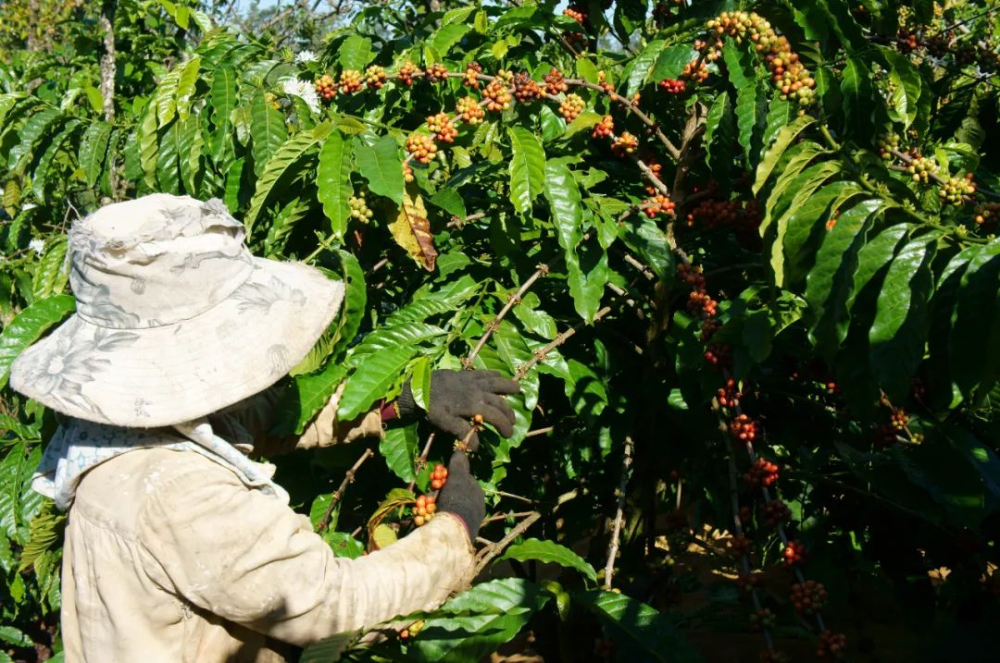
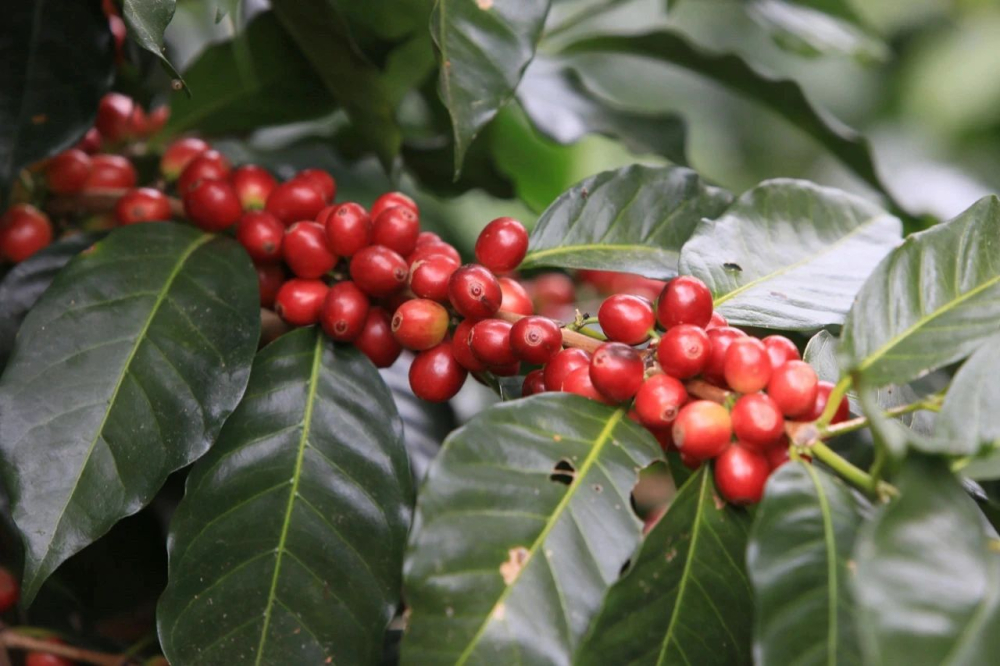
Yunnan small-grain coffee typically refers to small-beaned Arabica varieties such as Typica and Bourbon. Among them, Typica is known for its rich fruity acidity and delicate flavor profile, serving as the genetic foundation for renowned coffees like Blue Mountain and Kona. However, Typica trees are tall, have low yields, and are susceptible to diseases such as coffee leaf rust, resulting in high management costs. As a result, many farmers have shifted to cultivating the more disease-resistant and high-yielding Catimor.
Catimor 7963 is a hybrid variety developed by Portugal’s Instituto de Investigação das Culturas Tropicais. It features strong rust resistance and high yield potential, with a compact and short tree structure suitable for dense planting. Since its introduction to Yunnan in 1995, it has become the absolute mainstream of Yunnan coffee cultivation, accounting for over 90% of the market share.
For consumers, understanding the green bean grading of Yunnan coffee helps assess quality and value. The current common grading standards primarily classify coffee beans into five grades based on screen size, color, cleanliness, aroma, and moisture content:
Screen size grading (unit: millimeters):
Grade 1: above 6.5 mm, beans are plump and intact;
Grade 2: 6.0–6.4 mm, beans are plump and relatively uniform;
Grade 3: 5.3–5.9 mm, relatively plump but slightly less uniform;
Grade 4: 5.0–5.4 mm, allows a small number of imperfect beans, but intact beans must account for over 75%;
Grade 5: below 5.0 mm, imperfect beans account for over 30%.
In terms of color, bright hues such as light blue, light green, and light white are preferred, while dark brown or dull orange indicate lower quality. Cleanliness requires a silver skin removal rate of over 60%, with no obvious impurities. Aroma-wise, fermentation off-notes, rancidity, or moldy smells are considered defects. Moisture content must be controlled below 12% to ensure storage stability.
To enhance international competitiveness, the Yunnan International Coffee Exchange (YCE) established in Pu’er, in 2019, referenced SCA and CQI standards to develop a more refined grading system for washed Yunnan small-grain coffee, helping farmers and buyers establish more transparent quality communication.
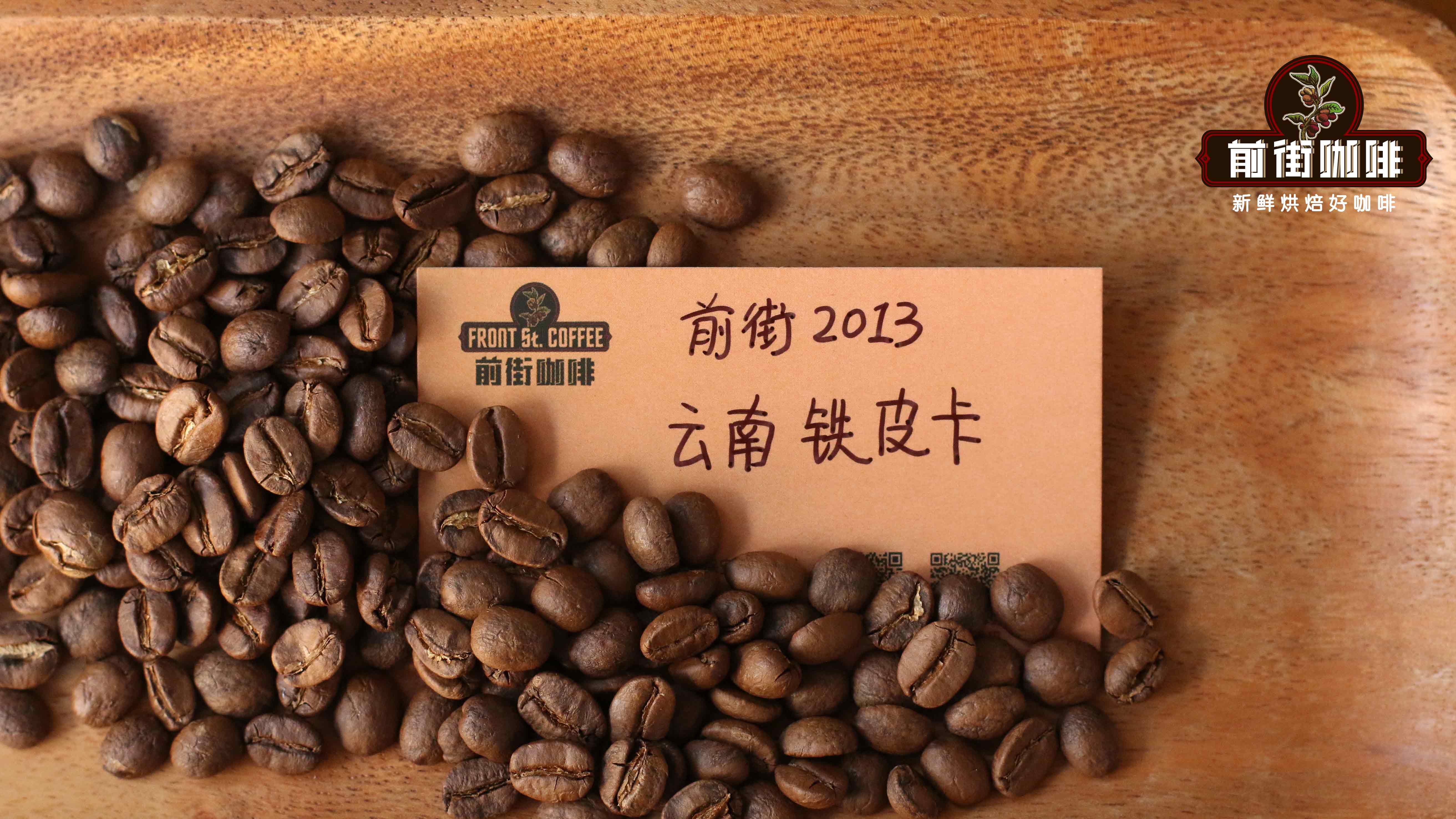
When discussing Yunnan coffee, one cannot overlook the practices of a certain coffee brand. This brand is not only a coffee roaster but also one of the earliest to directly cultivate Typica small-grain beans in the Linxiang region of Yunnan. As early as the early 2010s, the brand began trial coffee planting in Dazhen, Guangdong, gradually exploring the relationships between variety, altitude, and processing methods. Later, they moved to Yunnan and selected Linxiang to plant the most traditional Typica variety. This area, influenced by the Indian Ocean warm current and the southwest monsoon, experiences distinct dry and wet seasons with abundant sunlight. Though there is no severe frost, it demands very high management techniques.
Typica is not easy to cultivate, with low yields and high susceptibility to disease, but the brand persisted for over five years. Finally, in 2020, they harvested their first fruits and processed them using the traditional natural (sun-dried) method, launching the “2013” Natural Typica. The sun-drying process requires consecutive sunny days, with coffee cherries turned daily to avoid uneven fermentation until the pulp dehydrates and turns dark purple, reaching the ideal moisture content before hulling and roasting.
In addition to Natural Typica, the brand also offers Catimor beans from the Baoshan production area as a high-cost-performance everyday drink option, allowing consumers to experience the unique flavors of the Yunnan region at a reasonable price.
If you want to brew Yunnan small-grain coffee at home, here are professional-recommended V60 pour over parameters:
Filter: Hario V60
Coffee dose: 15 grams
Water temperature: 90°C
Grind size: approximately 75% through a 20-mesh sieve (medium-fine grind)
Coffee-to-water ratio: 1:15 (total water volume about 225 grams)
Brewing method: classic three-stage pouring
Steps:
1. First pour double the coffee dose (about 30 grams) for a 30-second bloom to allow the coffee grounds to fully expand;
2. Then pour with a small stream in a circular motion from the inside out until reaching 125 grams for the first pour, then wait for the bed to drop;
3. Continue pouring with a fine stream until reaching 225 grams, with total extraction time around 2 minutes until the V60 finishes dripping.
Such parameter settings help balance acidity and sweetness, fully showcasing Yunnan coffee’s nutty, chocolatey, and caramel notes.
In terms of flavor profile, the brand’s Yunnan everyday beans typically feature intense nutty aromas, with herbal, chocolate, and caramel layers on the palate, and a hint of fruit acidity in the aftertaste. The overall mouthfeel is clean and balanced. The “2013” Natural Typica, on the other hand, presents even richer layers: dry aroma carries caramel and citrus notes, high temperatures bring out fermented chocolate and berry sensations, and as it cools, plum acidity and black tea sweetness emerge. With medium-high body and a clear, varied mouthfeel, it’s a premium Yunnan coffee worth savoring.
The above content is compiled by CoffeeHunters, a coffee news website.


