







Introduction:Jamaica Blue Mountain coffee is often mistakenly thought of as just a type of black coffee, or even confused with American-style coffee. However, the two are fundamentally different in terms of origin, processing methods, and brewing techniques. This article delves into the distinctions between Jamaica Blue Mountain coffee and American-style coffee, introduces the grading system and historical background of the Jamaica Blue Mountain growing region, and highlights the flavor profile and recommended pour over parameters for Blue Mountain No. 1. This will help you better appreciate the unique charm of this premium single-origin coffee bean.
Many people habitually refer to all black coffee without sugar or milk as “American-style,” yet Jamaica Blue Mountain coffee and American-style coffee actually belong to two entirely different categories. Jamaica Blue Mountain coffee is a single-origin variety, typically brewed using pour over drip filtration, emphasizing the terroir characteristics of its place of origin. In contrast, American-style coffee is made by diluting espresso with hot water, making it a derivative beverage from concentrated coffee. Understanding the difference between these two helps us appreciate and choose coffee more precisely.
What is American-style coffee?
The origin of American-style coffee is commonly associated with U.S. soldiers stationed in Europe during World War II. At the time, American troops were unaccustomed to the strong flavor of European coffee, so they diluted espresso with hot water. To their surprise, this resulted in a smoother and more refreshing taste, eventually forming the prototype of what we now know as American-style coffee. Europeans initially dismissed this practice, even jokingly calling it the “American way (Americano),” which is the term we’re familiar with today.
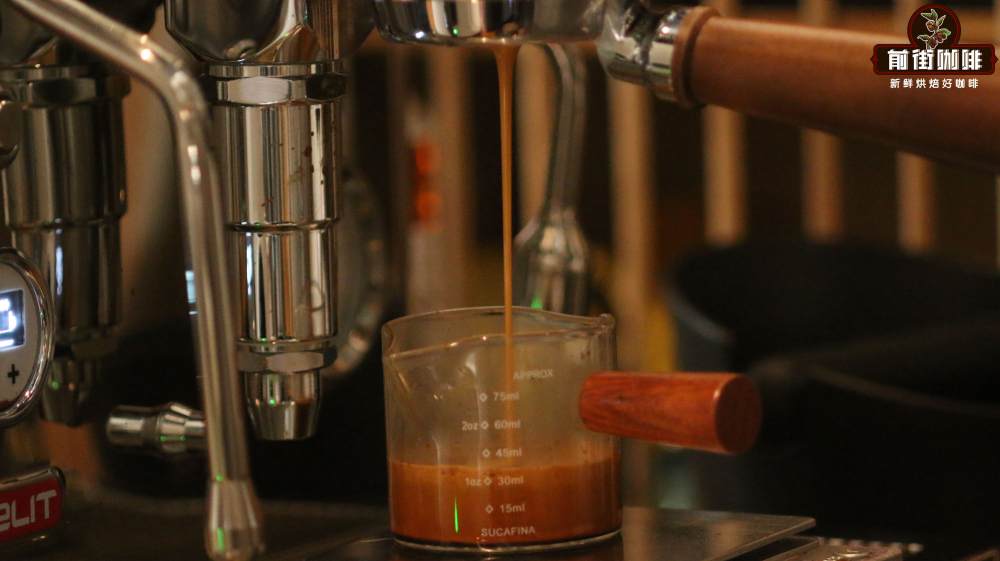
The key to American-style coffee lies in the extraction of espresso. Typically, espresso is made by forcing nearly boiling water through a compacted puck of finely ground coffee under high pressure—around 9 bar—to produce a concentrated and intense coffee liquid. Depending on personal taste preferences, this is then diluted with hot or cold water to adjust the concentration and temperature.
What is Jamaica Blue Mountain coffee?
The name “Jamaica Blue Mountain coffee” comes from its place of origin—the Blue Mountains of Jamaica. The Blue Mountains are a famous mountain range within Jamaica. Surrounded by the Caribbean Sea, the blue hues of the ocean are reflected onto the mountains under sunlight, giving the range its name. The area enjoys cool, foggy weather and fertile soil, making it highly suitable for coffee cultivation.
Jamaica began cultivating coffee in the 18th century, initially introduced by order of King Louis XV of France. In the 1720s, Governor Sir Nicholas Lawes brought over the Typica variety from Martinique and gradually promoted it in the Saint Andrew area. Today, the Jamaica Blue Mountain region encompasses four main areas in the northeast of the island: Portland, Saint Andrew, Saint Mary, and Saint Thomas.
The Strict Grading System of Jamaica Blue Mountain Coffee
It’s worth noting that not all coffee grown in the Blue Mountain region can be called Jamaica Blue Mountain coffee. According to regulations set by the Jamaica Coffee Industry Board, only beans grown at elevations between 1,000 and 1,700 meters qualify as Jamaica Blue Mountain coffee. This altitude restriction is mainly intended to avoid frost risks at higher elevations and to ensure the coffee matures under optimal climatic conditions.
Jamaican coffee is categorized into three grades based on elevation: Blue Mountain (1,000–1,700 meters), High Mountain (500–1,000 meters), and Prime Coffee (below 500 meters). Among them, Jamaica Blue Mountain coffee accounts for only about a quarter of the country’s total coffee production. Within the Blue Mountain grade, it is further divided into four sub-grades: No. 1, No. 2, No. 3, and Peaberry, whereBlue Mountain No. 1 adheres to the strictest standards, requiring bean size to be 17/18 screen, a defect rate below 2%, and cultivation at high altitudes between 1,000 and 1,700 meters.
The Growing Region and Flavor Profile of Blue Mountain No. 1
Authentic coffee grown in the Jamaica Blue Mountain region not only faces stringent cultivation conditions but also undergoes strictly regulated harvesting and processing procedures. Blue Mountain No. 1 coffee is mostly processed using the washed method, highlighting a clean and bright flavor profile. This particular coffee comes from the Clifton Estate near Catherine’s Peak in the Blue Mountains. With a history of over 200 years, this estate is one of the most representative coffee farms in the region and holds Rainforest Alliance certification, earning international recognition for its quality.
Jamaica is one of the few countries in the world that still ships green coffee beans in wooden barrels rather than the more common burlap sacks. These wooden barrels are not only a symbol of Jamaica Blue Mountain coffee’s identity but also represent the high standards maintained throughout its cultivation and export process. As a result, many products on the market that claim to be “Blue Mountain blends” or have “Blue Mountain flavor” may contain no actual Blue Mountain No. 1 beans at all.
Recommended Pour Over Parameters and Brewing Tips for Blue Mountain No. 1
Blue Mountain No. 1 is typically roasted to a medium-dark level to highlight its rich body and layered flavors. For brewing, it is recommended to use a KONO filter cone, paired with moderate water temperature and fine grind size, which helps bring out the balanced flavor unique to Blue Mountain coffee.
Recommended pour over parameters are as follows:
- Filter cone: KONO filter cone
- Water temperature: 88°C
- Coffee dose: 15 grams
- Coffee-to-water ratio: 1:15
- Grind size: Approximately 75% passing through a Chinese standard No. 20 sieve (medium-fine)
- Total brew time: Around 2 minutes
Suggested steps are as follows: Begin with a 30-second bloom using 30 grams of hot water, then slowly pour in a thin stream of water in small circles from the center outward until you reach 125 grams. Once the water level drops, continue pouring in circles up to 225 grams. This parameter setup helps control the extraction pace, avoiding over-extraction that could lead to bitterness, while fully showcasing the nutty, chocolatey, and mildly sweet and tangy notes of Blue Mountain coffee.
It’s important to note that since Blue Mountain No. 1 is a high-quality single-origin bean, it is recommended to purchase whole beans and grind them fresh before brewing to preserve the maximum amount of flavor compounds. Once coffee beans are ground, their aroma and volatile compounds deteriorate rapidly, affecting the final extraction quality. Additionally, freshly roasted coffee generally reaches its peak flavor window 4 to 7 days after roasting, making it ideal to enjoy during that period.
In summary, although both Jamaica Blue Mountain coffee and American-style coffee are black coffees without sugar or milk, their origins, grading systems, processing methods, and brewing techniques are vastly different. Understanding these differences not only helps you choose the coffee that best suits your taste but also allows you to more deeply appreciate the unique character and terroir story behind each cup.
The above content is compiled by CoffeeHunters, a coffee news website.


