







Introduction:Although both cold brew and iced americano are popular iced coffee beverages, they showcase distinctly different flavor profiles due to their vastly different brewing methods. By understanding the principles behind low-temperature long steeping and high-temperature rapid extraction, you can grasp the crisp and full-bodied characteristics of cold brew and the rich, bold qualities of iced americano. Learn the key parameters for making cold brew, the best bean selections, and preservation techniques to easily brew professional-grade flavors at home.
Though both cold brew and iced americano are beloved iced coffee drinks, their core difference lies in brewing temperature and technique: cold brew involves steeping coffee grounds in cold water for an extended period, whereas iced americano is made by diluting hot espresso with water and then adding ice. Low-temperature extraction effectively suppresses the release of bitter and astringent compounds while fully preserving the acidic and sweet flavor molecules in coffee, resulting in a cleaner, smoother, and more layered taste. In contrast, iced americano, thanks to high-temperature extraction, brings out more intense roasted and bold textures, offering a richer and more robust flavor profile.
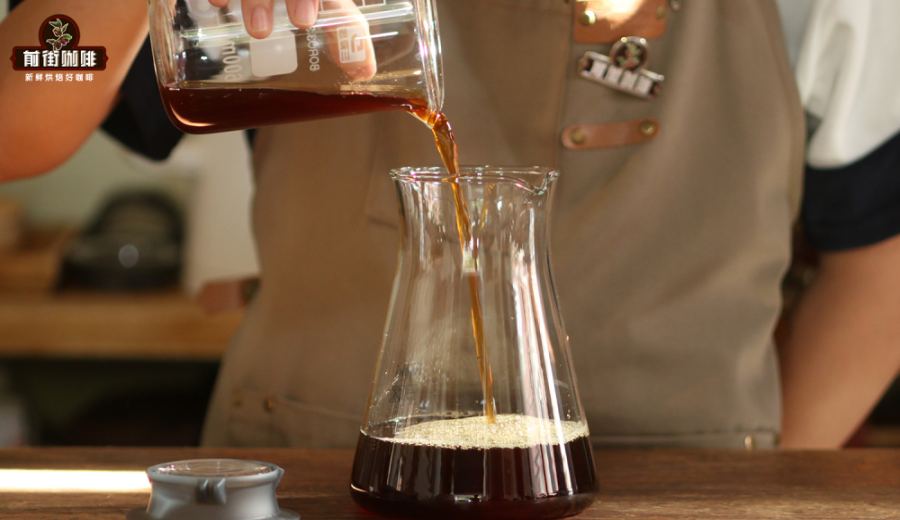
Cold brew coffee is known in English as Cold Brew Coffee, and it is also commonly referred to as cold steeped coffee or ice-brewed coffee. The basic method involves mixing finely ground coffee powder with room-temperature water, placing it in a sealed container, and refrigerating it for 8 to 12 hours or even longer. The prolonged low-temperature immersion completes the extraction process, yielding a uniquely flavored cold-extracted coffee.
The biggest advantage of low-temperature extraction is that it significantly reduces the likelihood of bitter and astringent substances dissolving, resulting in a cleaner and purer taste. At the same time, the long steeping process helps fully release the acidic and sweet components in coffee, giving the beverage a richer and more balanced flavor profile. The overall taste is often described as clean, full-bodied, and with clear layers.
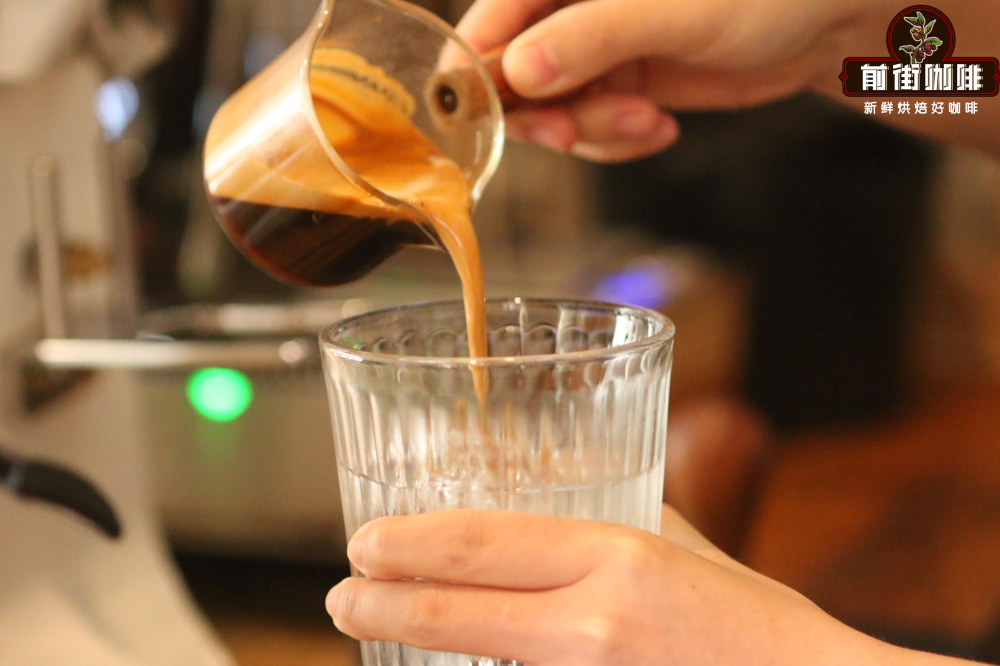
In contrast, iced americano is made using espresso (Espresso), which is extracted under high temperature and pressure, diluted with water according to personal taste, and then served over ice. Americano, the English term for this drink, involves using extremely fine-ground coffee during the espresso phase. The espresso machine’s pressurized system forces hot water through the coffee grounds quickly, extracting a small volume of highly concentrated coffee, which is then adjusted with water as needed. This high-temperature extraction method fully activates the roasted, bold, and deep flavor compounds in the coffee. Even when cooled with ice, it retains a relatively intense taste.
Americano offers high flexibility in preparation, with adjustable concentration levels and relatively fast brewing speed. Due to the high-temperature extraction process, it can more effectively bring out the bitter notes in coffee, so the overall profile is usually richer, bolder, and has a firmer mouthfeel. Commonly recommended beans include medium-to-dark roast blends, such as classic blends with buttery notes, specialty blends with nutty characteristics, commercial blends with caramel aromas, and the distinctly chocolatey Black Cocoa — all of which showcase rich and layered boldness.
If you’d like to make cold brew coffee yourself, the process is similar to cold steeping tea and is especially suitable for highlighting single-origin beans with pronounced fruity acidity and sweetness. Recommended beans include the jasmine-floral Fruit Dingding Coffee, the blackberry coffee with distinct grape-like sour-sweet qualities, and the Xi Zha variety that showcases passion fruit characteristics.
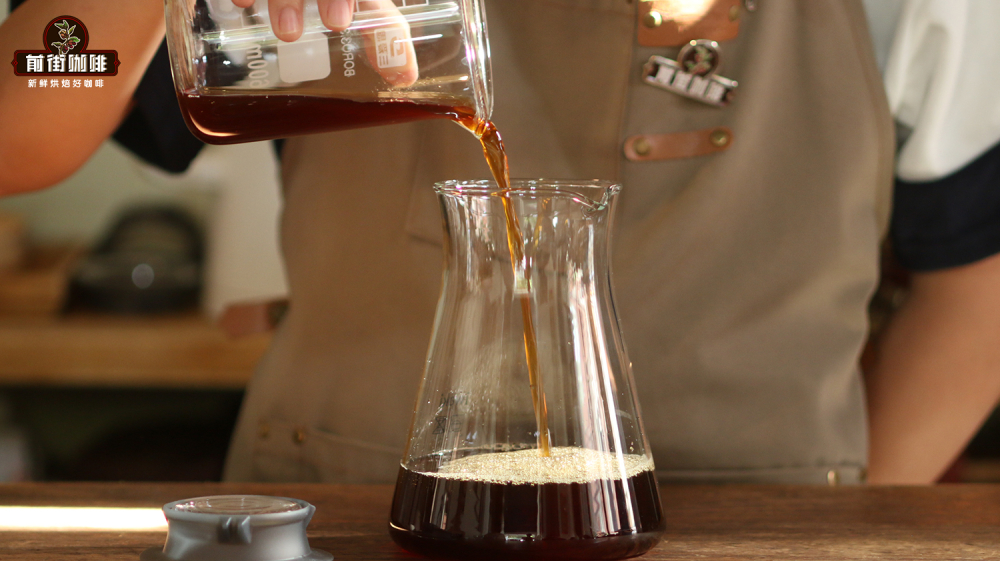
When actually brewing, it is recommended to grind the coffee beans to a coarseness similar to white sugar, place them in a clean and well-sealed container, and pour in room-temperature water to ensure the coffee grounds are evenly soaked. Then, refrigerate the mixture for 8 to 12 hours. After extraction, carefully filter out the coffee grounds using a fine mesh or filter paper to obtain the final product.
This cold steeping method can effectively amplify the original flavors and aromas of the coffee, making the sour and sweet sensations softer yet fuller, and providing a cleaner, purer drinking experience. The final flavor of cold brew is closely related to the roast level and flavor profile of the coffee beans used. Because the low-temperature extraction environment doesn’t readily draw out heavy or bold elements, it is recommended to choose beans with bright sour-sweet characteristics, clear flavor layers, and roast levels ranging from light-medium to medium.
For example, the best-selling “Huakui Coffee Beans,” which are medium-light roasted, produce a cold brew that presents an enticing and full-bodied sour-sweet taste. The flavor is reminiscent of a refreshing blended juice, accompanied by soft fruity fermentation aromas and a mild, tea-like aftertaste. If the same beans are used to make an americano, since the roast level does not reach dark roast standards, there won’t be enough bold compounds generated under high temperature and pressure. Even if the attractive berry acidity and tea-like aftertaste are retained, the flavor may come across as thin and bland after undergoing extremely fine grinding, high-pressure rapid extraction, and dilution with water — possibly even watery.
Once cold brew coffee has been extracted, it must be filtered before storage to prevent continued contact between the coffee grounds and water, which could lead to over-extraction. If not filtered in time, once the flavorful compounds have been fully extracted, the coffee may begin releasing woody or fibrous tastes, negatively affecting the overall drinking experience.
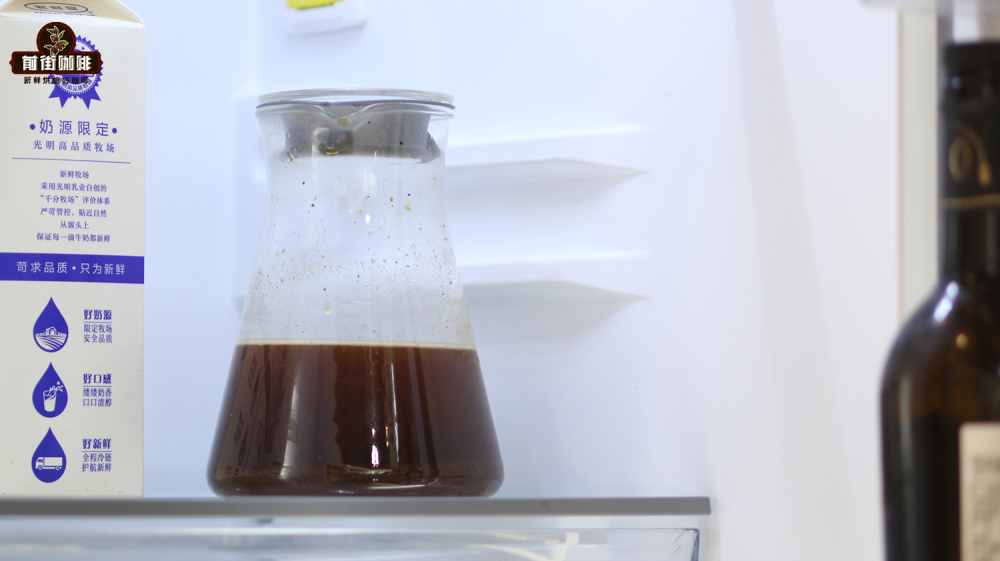
Filtered cold brew coffee is best stored sealed in a refrigerated environment. It can theoretically last up to 120 hours, but considering the variability of home refrigerator conditions, it is generally not recommended to store it for such a long period. To ensure optimal flavor, it is advised to consume the filtered cold brew within 72 hours to enjoy its freshest and purest taste.
The above content is compiled by CoffeeHunters, a coffee news website.


