







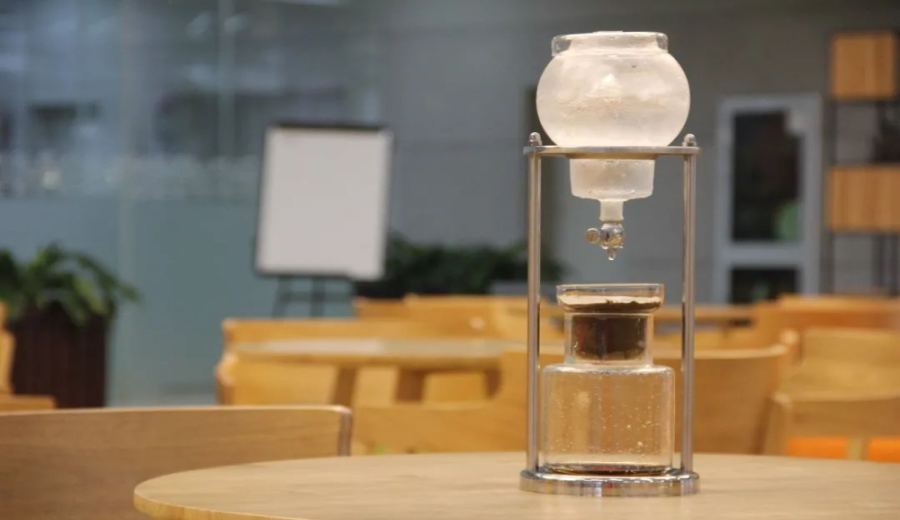
Introduction:With its refreshing sweet-and-sour profile and cool low-temperature character, cold drip coffee has become the top choice for summer coffee lovers. However, many still have only a vague understanding of its brewing parameters, shelf life, and suitable bean varieties. This article delves into the brewing principles, step-by-step details, optimal flavor window, and recommends several coffee beans ideal for cold drip, enabling you to easily enjoy a professional-grade cold drip experience at home.
Cold drip coffee extracts the essence of coffee slowly through the gradual dripping of ice water, combined with low-temperature static fermentation, resulting in a rich yet refreshing taste. This brewing method not only minimizes the release of impurities but also highlights more delicate layers of aroma, making it especially suitable for hot seasons.
Many beginners, after purchasing a cold drip brewer, often have questions about the coffee-to-water ratio, grind size, dripping speed, and storage duration. Based on actual brewing processes, this article will detail the key points of making cold drip coffee and explain how its flavors evolve over time, helping you master essential techniques and avoid common mistakes.
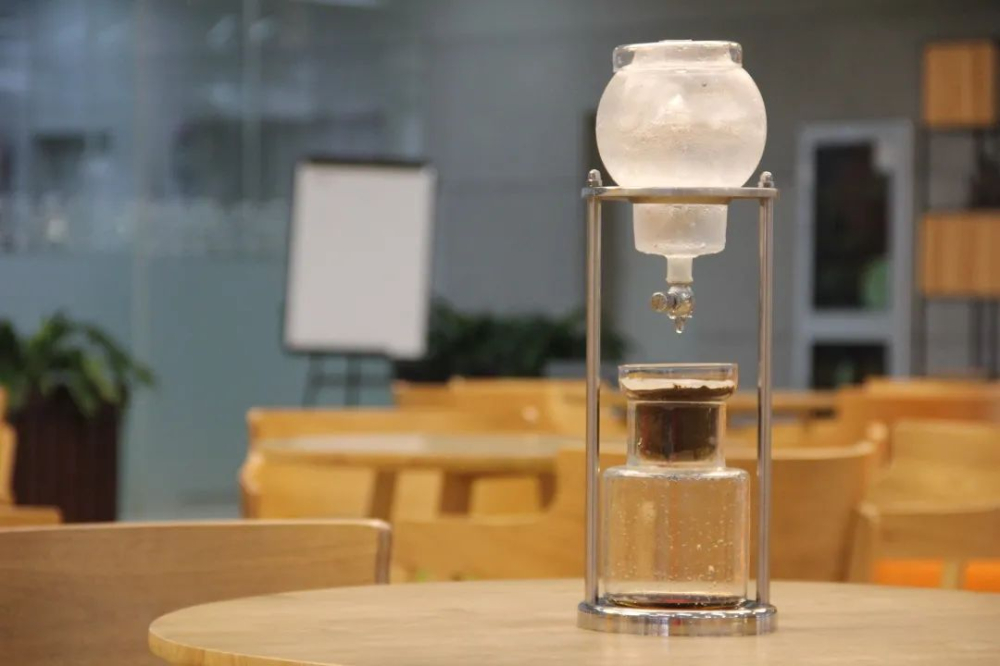
The principle of cold drip coffee lies in using melted ice water to slowly and steadily penetrate the coffee grounds, gradually extracting flavor compounds. This process is usually accompanied by a low-temperature refrigeration phase, allowing the coffee liquid to ferment while resting, further enhancing its overall complexity and body. The final product has a refreshing taste with balanced sweet and sour notes, along with a unique cold brew flavor, making it highly popular among summer beverages.
What details should you pay attention to when making cold drip coffee at home? First, the basic structure of a cold drip brewer can be divided into three main parts: the upper container holding the ice water (usually equipped with a drip rate control valve), the middle filter basket filled with coffee grounds, and the lower collection container that catches the brewed liquid. There are currently various cold drip devices available on the market, and it’s recommended to choose a suitable model based on your budget and usage needs.
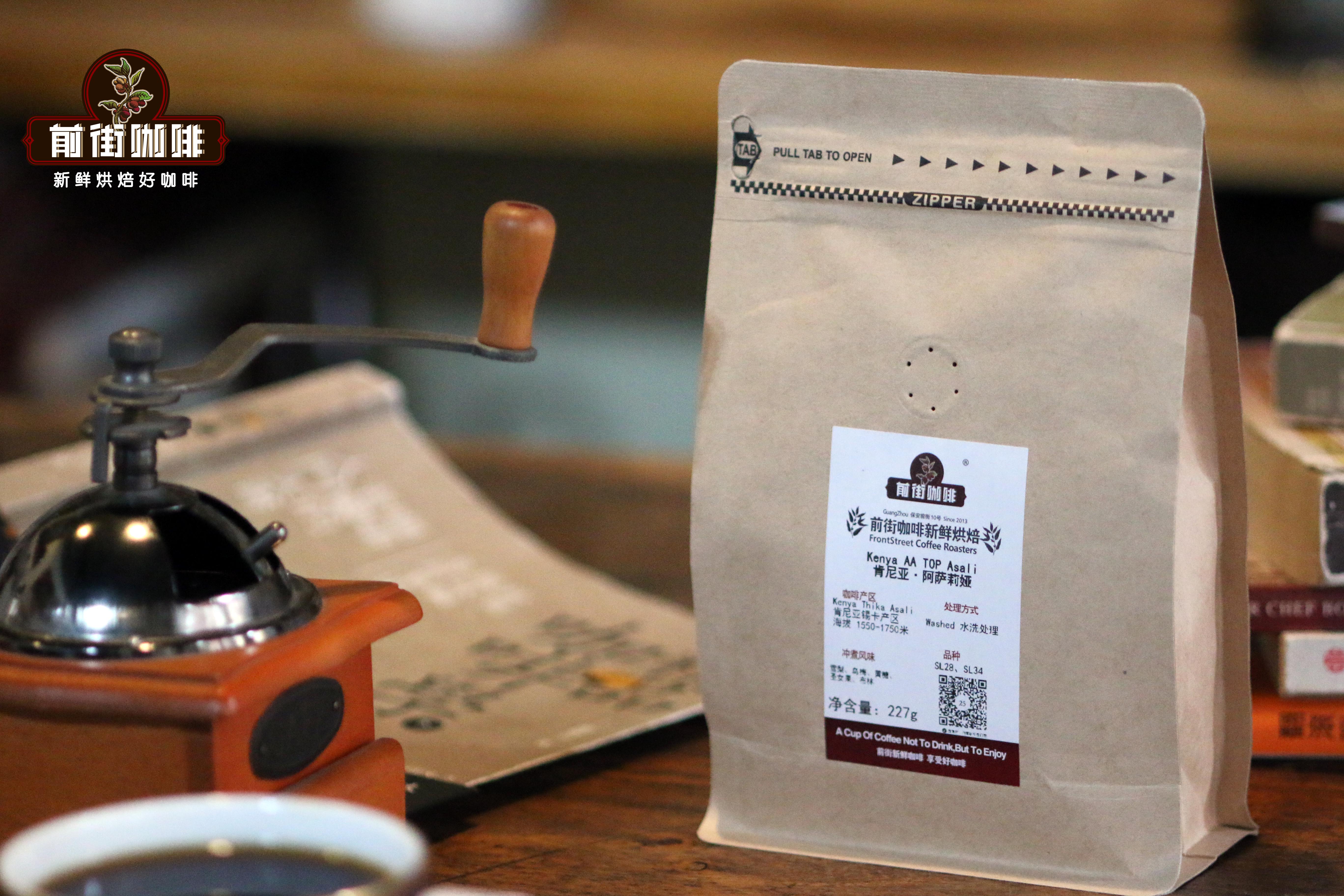
For grind size, it is recommended to use a setting where about 80% to 85% of the particles pass through a Chinese No. 20 standard sieve. Taking the EK43s grinder as an example, you can adjust it to setting 10. If the grind is too coarse, it may lead to under-extraction and a weak flavor; if too fine, it can cause poor drainage, resulting in over-extraction and bitterness.This demonstration uses a grind with an 85% pass-through rate.We also selected the bright-flavored Kenyan Assarlia beans, as their extraction efficiency is relatively low at low temperatures, and a slightly finer grind helps enhance flavor expression.
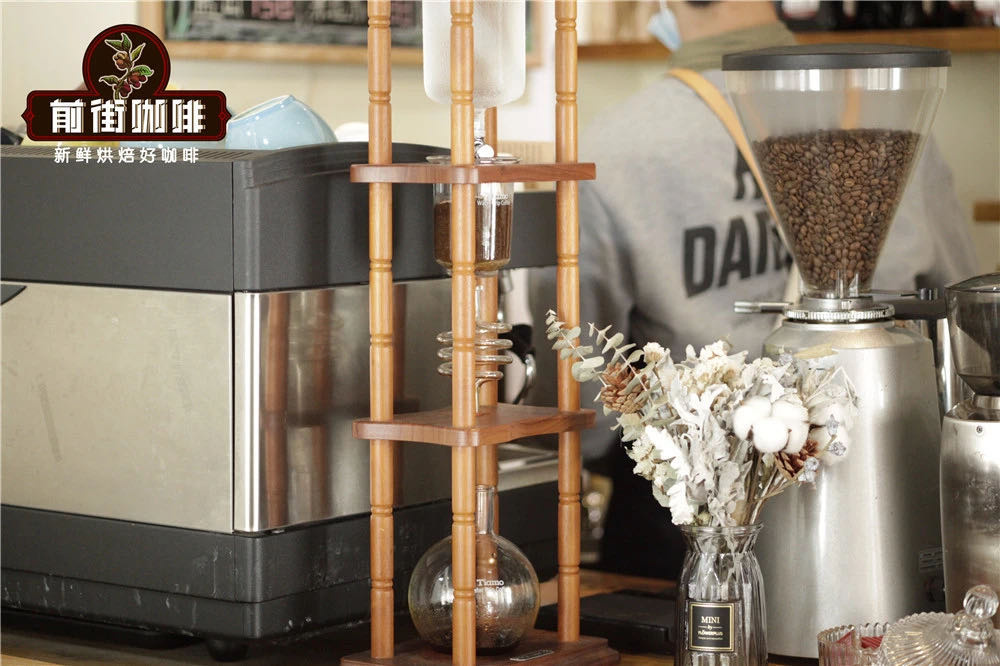
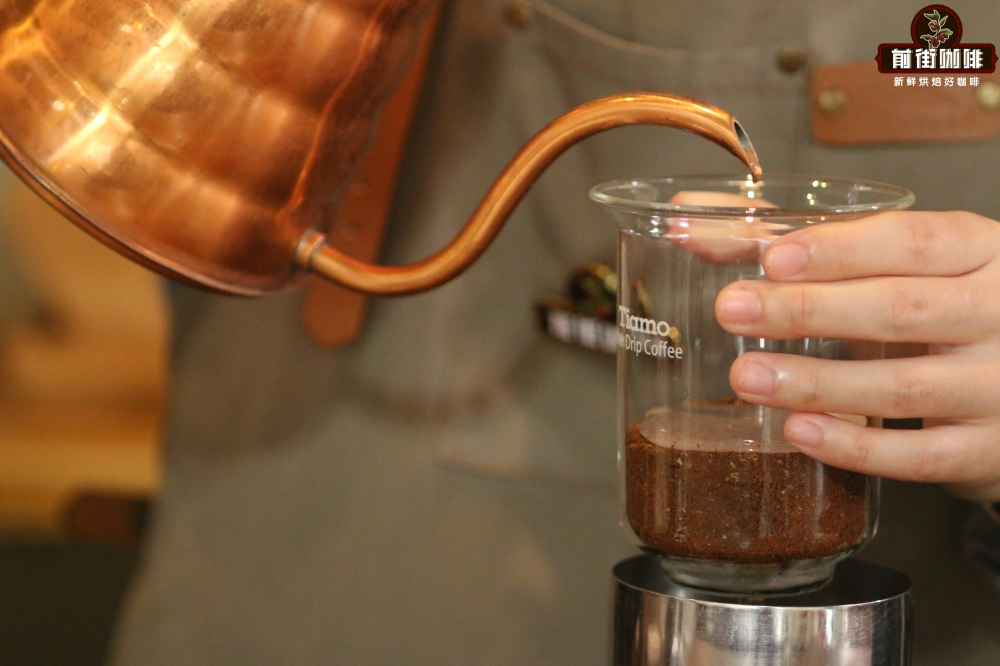
In terms of drip rate, a general benchmark is 7 drops per 10 seconds. Too slow a rate will prolong the brewing time and may also increase the risk of over-extraction. The recommended coffee-to-water ratio is 1:10, which is suitable for later dilution with ice; if consumed directly, it can also be adjusted between 1:10 and 1:12. During brewing, start by grinding 60 grams of coffee beans and placing them in the filter basket. It’s recommended to place a filter paper on both the top and bottom of the coffee layer to aid even water filtration and shorten the dripping time. Then proceed with extraction using a mixture of ice and water (approximately a 1:1 ratio of ice to water), aiming for a total yield of about 600 grams. After the dripping is complete, transfer the coffee liquid to a sealed container. It is recommended to refrigerate for at least 12 hours before drinking, allowing the flavors to mature.
So, how long can the brewed cold drip coffee be stored? Immediately after extraction, the coffee liquid has a more restrained aroma and a relatively thin taste, but after being left sealed in a low-temperature environment, the flavors gradually become richer, sweeter, and more layered. Sometimes, even a subtle wine-like aroma may emerge. However,it is recommended to consume it within five daysbecause as time goes on, the fermentation process may turn negative, leading to flavor degradation. In addition, once opened, it is best to consume it as soon as possible to prevent bacterial contamination from affecting quality and health.
As for coffee beans suitable for making cold drip, you can choose different origins and processing methods based on personal taste preferences, as long as the beans are still within their optimal flavor period (about two months). Cold drip extraction can highlight fruity, fermented, and wine-like notes. Below are several representative bean varieties for your reference.
“Refreshing Floral-Fruity Type – Washed Champion Bean” These beans from Ethiopia’s Guji Uraga region are nurtured by black soil nutrients, producing intense fruit aromas. The washed processing method enhances fresh floral and citrus notes. Cold drip made from these beans offers a refreshing and pleasant taste, like chilled honey pomelo tea, making it perfect for those who enjoy fruity profiles.
“Fermented Winey Type – Sherry Cask Bean” Honduran beans fermented in whiskey casks exhibit distinct vanilla, cream, and wine aromas. The resulting cold drip not only has a rich fermented character but also combines smooth textures of chocolate and cream. Another variety, the Lychee Orchid bean, also processed in brandy casks, emits lychee fragrance and honey sweetness, with a long-lasting aftertaste.
“Rich Fruit Tea Type – Natural Hua Kui Bean” Using high-sugar ripe coffee cherries processed through natural sun-drying fermentation, the fruit sugars transform into abundant fruity sweetness. Cold drip made from these beans showcases vibrant notes of berries and passionfruit acidity, with a lingering hint of black tea aroma, suitable for consumers who enjoy layered fruit tea flavors.
The above content is compiled by CoffeeHunters, a coffee news website.


