







Introduction:Delve into the definition of espresso, its core extraction parameters, and the mechanism behind crema formation. Through detailed flavor analyses of four classic blends, learn how to adjust grind size, coffee dose, and extraction time to craft espressos with rich crema and balanced taste. This guide is tailored for both beginners and advanced enthusiasts looking to refine their espresso extraction skills.
Though espresso enjoys limited popularity in certain markets, it remains an iconic symbol of Italian food culture and the foundation for numerous coffee beverages. This style of coffee, extracted quickly under high temperature and pressure, is characterized by its intense flavor and golden crema layer on top. This article will explore the history of espresso, the science behind crema formation, standardized extraction parameters, and provide a comprehensive breakdown of the unique flavor profiles of four classic espresso blends. It aims to help coffee lovers understand the fundamentals and adjust their recipes to achieve their ideal espresso.
 In Italy, espresso is not just a daily pick-me-up but also a reflection of the pace of life. Compared to the lengthy wait for drip coffee, Italians prefer to enjoy a highly concentrated coffee experience in just a short moment. This extraction method, which forces hot water through finely ground coffee at around nine atmospheres of pressure, creates the distinctive taste and aroma structure of espresso, laying the foundation for modern espresso-based drinks.
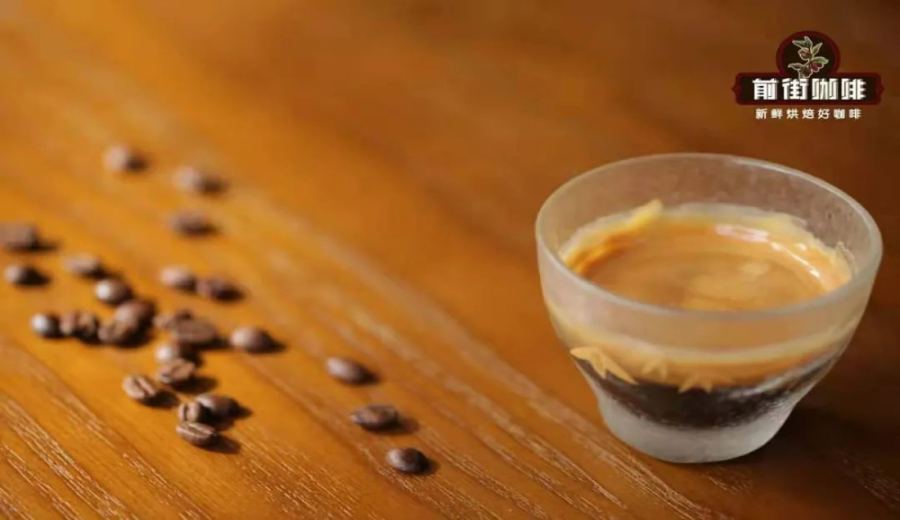
One of the key hallmarks of a successful espresso is the four-to-five-millimeter-thick layer of golden to dark brown crema. This crema is not merely foam but the result of a combination of carbon dioxide from the coffee, tiny coffee oils, and water-soluble compounds under pressure. As near-boiling water penetrates freshly roasted coffee grounds at around 9 bar of pressure, it extracts the coffee’s essential compounds while trapping carbon dioxide within the liquid, ultimately forming a richly aromatic and finely textured layer on the surface. This crema not only affects appearance but also plays a critical role in flavor release and overall mouthfeel.
 The birth of modern espresso is inseparable from the efforts of Italian engineers and baristas in the early 20th century. Through continuous technical refinement—especially the design of independent group heads and pressure systems—baristas gained more precise control over extraction variables, enabling the consistent presentation of espresso’s unique character. This concept of "fast coffee" quickly spread from Milan across Europe and, with the wave of immigration, around the world, laying the foundation for modern café culture.
To understand the flavor spectrum of espresso, it’s essential to first recognize the importance of blend strategies. Most professional coffee shops lean toward medium-to-dark roasted blends, artfully combining beans from different origins to achieve balance and layered flavors. Based on years of experimentation, market feedback, and professional cupping data, we have developed four representative espresso blends, each showcasing distinct flavor directions and potential applications.
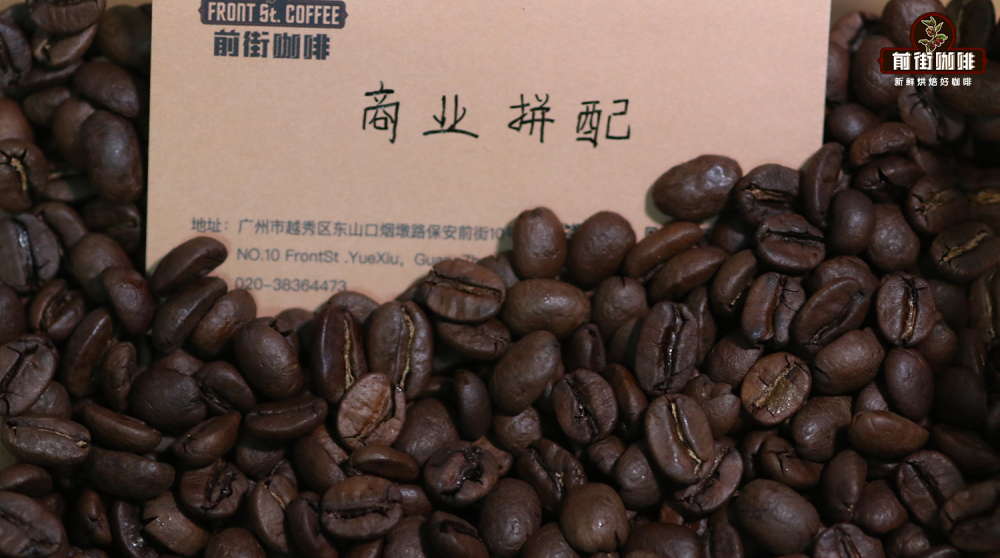
Classic Bold Type —— Commercial Espresso Blend
This blend combines washed Robusta, washed Colombian, and semi-washed Brazilian beans. The resulting espresso features a rich golden crema and pronounced nutty notes. On the palate, it delivers intense roasted aromas and a full body, with a clear bitterness that is never harsh, and a creamy, smooth finish with lingering aroma. It’s particularly well-suited as the base for traditional Italian-style coffee.

Mildly Acidic Bold Type —— Dark Cocoa Espresso Blend
Blending washed Yunnan small-bean variety with semi-washed Brazilian Cerrado beans, this mix emphasizes a balance between acidity and body. The Yunnan beans contribute soft fruity acidity that contrasts interestingly with the deep sweetness of the Brazilian beans, resulting in a combined flavor of caramel sweetness, nutty base, and subtle plum acidity. This blend is an excellent choice for those who prefer brighter acidity while still desiring the structure of a traditional espresso.
Balanced Aroma Type —— Premium Espresso Blend
Composed of washed Colombian and semi-washed Brazilian beans in a specific ratio, this blend highlights the fusion of nutty and chocolatey profiles. After roasting, it reveals a deep black chocolate flavor, complemented by noticeable caramel sweetness and robust roast aromas. Its flavor output is stable, making it suitable for all types of espresso beverages, especially those that highlight the creamy texture of milk.
Delicate Winey Type —— Sunflower Sunshine Espresso Blend
This special blend consists of 30% Ethiopian sun-dried red cherry beans and 70% Honduran Sherry cask-aged beans. When extracted via espresso, it presents a rich black chocolate backbone with distinct caramel sweetness, and a finish marked by complex fermented wine-like aromas and layered aftertastes. Whether enjoyed straight, as an Americano, or with milk, it delivers highly recognizable aromas and a rich, structured taste.
To ensure optimal flavor expression, all shipped products are fresh batches roasted within five days prior to dispatch. Note that freshly roasted blends typically require 7–10 days of degassing before reaching their peak flavor window. Brewing during this period yields the most stable and expressive espresso experience.
To successfully extract high-quality espresso, fine adjustments should be made based on your specific equipment setup. For beginners, the following basic parameters are recommended: use20 grams of coffee grounds, aiming for a1:2 coffee-to-water ratio(i.e., extracting40 grams of espresso), under9 bar pressurefor an extraction time of25 to 30 seconds. If the taste turns out too light, it may be due to overly coarse grind or insufficient dose leading to incomplete extraction—try adjusting to a finer grind or slightly increasing the dose. Conversely, if the coffee tastes excessively bitter or over-extracted, even dilution fails to reveal layered aromas, then consider using a coarser grind or reducing the dose to increase flow rate, thereby lowering the overall intensity of the shot.
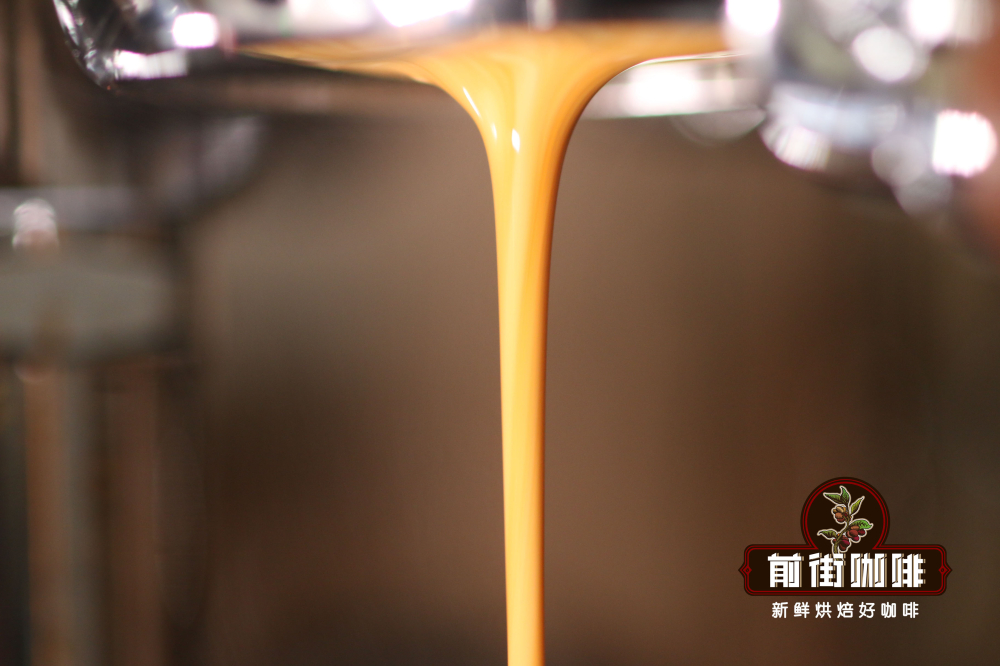
Beyond basic parameter settings, there are many finer details worth paying attention to during actual operation. Ensuring the cleanliness of the group head and portafilter is fundamental to maintaining consistent flavor—always thoroughly clean any residual coffee grounds before and after each extraction. Using freshly ground coffee preserves aromatic compounds to the greatest extent and avoids flavor loss from pre-ground coffee. The coffee puck should be tamped evenly and vertically to ensure uniform resistance as water passes through. During extraction, it’s advisable to continuously observe the color changes of the coffee flow, the rhythm of the stream, and the cumulative weight—all of these visual and temporal cues offer valuable insights for subsequent adjustments.
The above content is compiled by CoffeeHunters, a coffee news website.


