








Introduction:Yunnan is one of China’s most representative coffee-growing regions, where its small-bean coffee has garnered significant attention for its unique flavor profile and premium growing conditions. This article delves into the cupping characteristics of Yunnan’s two mainstream varieties—Typica and Catimor—exploring their aroma, acid-sweet balance, and aftertaste layers to help you find the bean that best suits your taste. It also provides practical cold brew and pour over extraction parameters, so you can easily brew flavorful Yunnan coffee at home.
As an important coffee-producing area in China, Yunnan boasts unique geographical and climatic conditions, making it the country’s primary producer of Arabica beans. The locally grown “small-bean coffee” is widely praised for its delicate aroma and smooth mouthfeel. Whether you prefer bright fruity acidity or a rich, balanced coffee experience, Yunnan offers a diverse selection to meet your needs.
Yunnan’s coffee-growing areas are mainly located near the Tropic of Cancer, a region blessed with moderate temperatures, ample rainfall, and suitable altitudes—creating the golden zone for coffee cultivation. As early as the late 19th century, coffee was introduced to Zhukula Village in Binchuan County, Dali, gradually evolving into today’s iconic “Yunnan Small-Bean Coffee.” Compared to other regions like Hainan, Yunnan’s foggy climate provides natural shading for coffee trees, aiding in slow maturation and the accumulation of richer flavor compounds.

Currently, the main variety planted in Yunnan is Catimor, a hybrid of Arabica and Robusta known for its strong disease resistance and high yield, making it ideal for large-scale cultivation. However, if you’re seeking a more traditional flavor, you can still find small quantities of heritage varieties like Typica and Bourbon in Yunnan. Among them, Typica is one of the earliest Arabica coffees, with beans that are slightly oval or pointed, offering a uniquely elegant aroma. Though low-yielding and susceptible to disease, it is less favored by commercial growers but favored by pour over and cold brew enthusiasts.
For the Typica variety, it’s recommended to choose beans from high-altitude regions with light roasting. These coffees typically exhibit bright fruity acidity and rich aromatic layers, such as melon, herbal, and nutty notes, making them ideal for coffee lovers who enjoy a refreshing taste. Catimor, on the other hand, carries some Robusta genetics, resulting in a generally bolder and fuller-bodied profile. It may occasionally have slight roughness or off-flavors, but its rich balance, along with a finish of dark chocolate and honey, is also appreciated by many consumers.
Pour over recommended parameters:Start with a medium grind, and adjust the water temperature between 90–93°C. A certain coffee brand often uses a three-step pour over method: First, pour 30 grams of hot water to bloom the coffee grounds, allowing them to fully degas—this takes about 30 seconds. Then proceed to the second pour, circling from the center outward in a small radius, gradually expanding. Maintain a steady water flow to avoid inconsistency. This stage requires careful control of water volume; too little may lead to under-extraction and astringency, while too much can overpower the initial acidity. The third pour is done just as the coffee bed begins to show, with a total extraction time of around 2 minutes to achieve a balanced flavor.
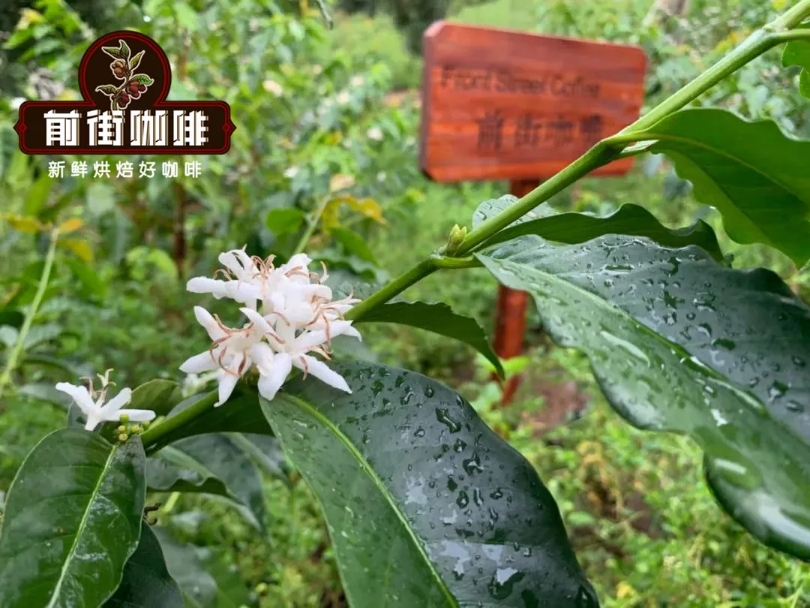
From actual cupping results, a high-quality Yunnan natural Typica often delivers pronounced melon and herbal aromas upon entry, transitioning to nutty and chocolatey notes in the mid-palate, with a lively finish of plum acidity, black tea, and brown sugar. The overall flavor is delicate and layered. Meanwhile, another Yunnan small-bean coffee (typically Catimor) showcases a soft acidity and well-balanced richness, even developing a warm, sweet sensation akin to brown sugar as it cools—making it suitable for those who enjoy complex flavor profiles.
If you prefer coffee with pronounced acidity, opt for Typica beans from high altitudes with light to medium roasting. If you’re not a fan of acidity, consider medium to dark or dark roasted Catimor—though slightly more bitter, it highlights richer chocolate and caramel flavors. Regardless of the type, the right roast level and brewing method will greatly influence the final flavor outcome.
Beyond pour over, Yunnan small-bean coffee is also excellent for cold brew. Here’s a simple and practical home cold brew recipe: Use 50 grams of coffee grounds with a 1:10 coffee-to-water ratio (approximately 600 ml of room-temperature cold water). Stir thoroughly, seal, and refrigerate for 24 hours. Afterward, filter out the grounds, transfer the coffee liquid to a clean, sealed bottle, and let it chill for at least 12 more hours to allow the flavors to further meld.
Cold brew coffee can be stored in the fridge for about 5 days, and it continues to slowly ferment during this time, leading to subtle flavor changes. It’s generally recommended to drink it within 1–3 days of brewing, when the coffee typically reaches optimal balance of richness and aroma. Especially after 24–36 hours, the flavor often becomes even smoother and rounder—ideal for coffee lovers who prefer low-acidity and silky textures.
The above content is compiled by CoffeeHunters, a coffee news website.


