








Introduction:Facing numerous coffee bean options on the market, how can you choose the product that best suits your taste? This article will provide practical advice from three key perspectives: freshness assessment, flavor preference analysis, and cost-effectiveness considerations, helping readers quickly master the tips for purchasing. Whether you prefer bright fruity acidity or rich body, you can find beans that are both satisfying and affordable.
Finding your favorite among the many coffee beans is actually something that can be approached systematically. The key lies in mastering three core elements: freshness, flavors that match your personal taste, and high cost-effectiveness options for beginners. These three directions can not only help you avoid common purchasing pitfalls but also allow you to efficiently build up your understanding and appreciation of coffee.
First, determining whether the coffee beans are fresh is a critical factor that affects brewing results. It is recommended to ensure that the packaging clearly indicatesthe roast date, rather than just the expiration date. Generally speaking,5 to 30 days after roastingis the optimal period to enjoy the coffee beans. After about 50 days, the aroma and flavor will noticeably decline. Additionally, choosing packaging with aone-way degassing valve(usually a small button-like vent on the bag) helps release carbon dioxide emitted by the beans while preventing oxygen from entering, which contributes to maintaining freshness.
It’s worth noting that coffee beans are not at their best immediately after roasting. During the first two days post-roast, the beans are still releasing carbon dioxide and the aroma has not yet fully stabilized. It is recommended to wait2 to 3 daysbefore brewing to achieve a more rounded and balanced flavor profile.
Next, selecting an appropriate roast level and origin based on your personal taste preferences is also a key aspect of choosing coffee beans. If you prefer bright, fruit-acid-forward coffee, light roasts are usually the first choice—such as beans withlemon, citrusflavors that offer a fresh profile, or those balancing sweetness and acidity likesweet orange and honey. On the other hand, if you prefer rich, bitter-sweet, and full-bodied flavors, dark roasts are more suitable. These coffees often showcasecaramel, spices, cocoa, and chocolatenotes.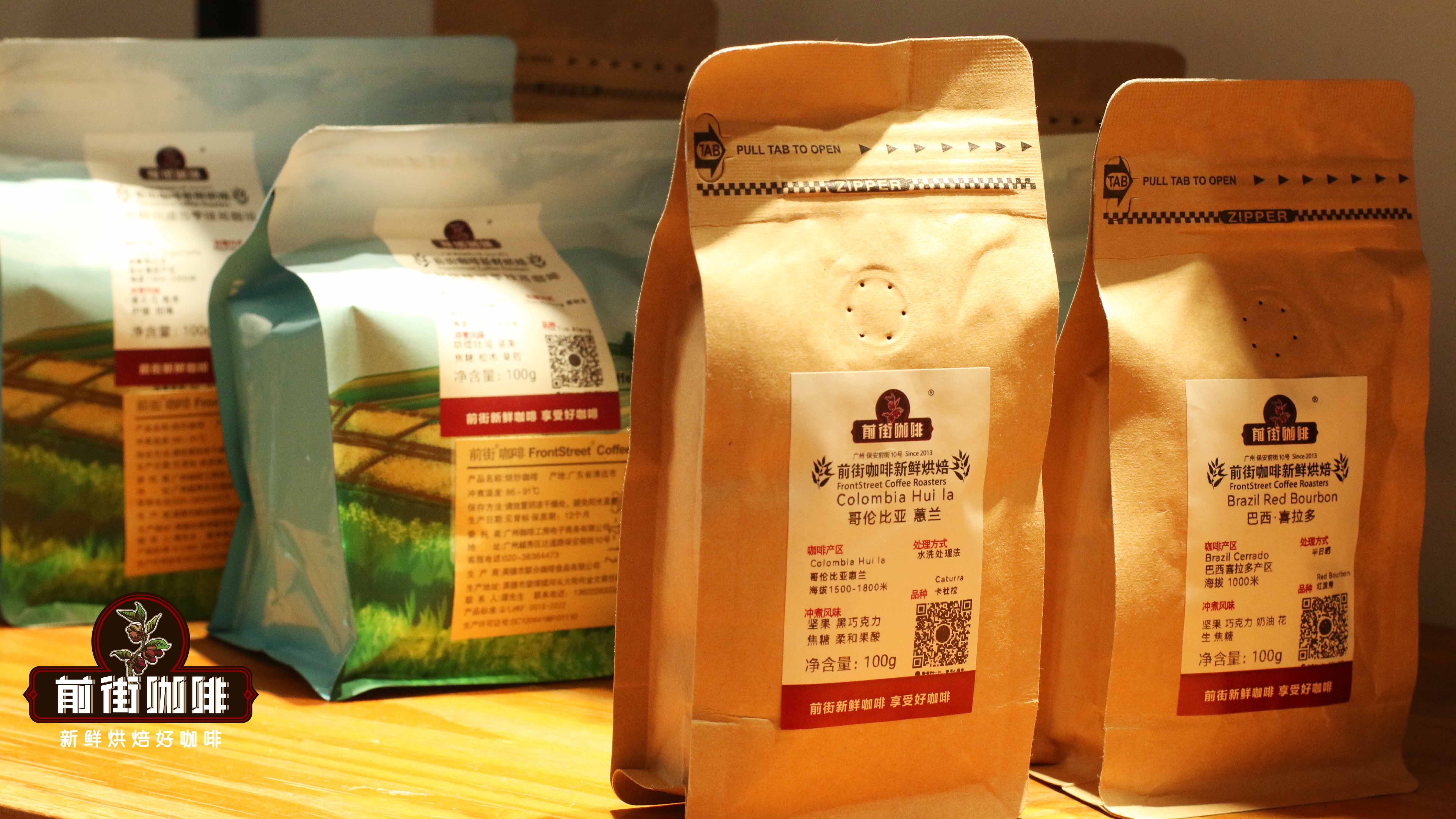
If you’d like a flavor that balances between acid and bitterness, you can also look for beans with a more balanced profile and noticeable sweetness, such as those featuringrose, grape, orpineapple, raisinfruity and sweet aromas. These coffees are suitable for those who are less tolerant of strong acidity or bitterness.
For beginner coffee enthusiasts, it is recommended to start with a simple setup when it comes to equipment, focusing your budget on beans that highlight coffee’s intrinsic characteristics. Pour over coffee typically uses single-origin beans, usually sourced from a single region, with most packages being half a pound or smaller. Different origins, varieties, processing methods, and roast levels can all significantly affect the final flavor.
For newcomers, selecting a “daily drinker” bean that suits your taste and offers good value is the most practical entry strategy. On one hand, it helps you quickly gain a basic understanding of the flavor profiles of different regions. On the other hand, even if you need to practice brewing techniques multiple times, it won’t cause too much financial strain. For example, if you can handle noticeable fruit acidity, you can start with Ethiopia’s Yirgacheffe; if you prefer softer, sweet-and-acidic profiles, Costa Rica’s Tarrazu or Rwanda’s Red Bourbon are great choices; if you favor low-acidity flavors, Yunnan’s small-grain coffee with its nutty and brown sugar notes is worth trying; if you want bolder, richer flavors like nuts and chocolate, Brazil’s Cerrado or Colombia’s Huila beans are solid picks; and if you absolutely dislike acidity and prefer full-bodied richness, Indonesia’s Mandheling is a classic recommendation.
In summary, whether you’re just starting out with pour over coffee or looking to expand your coffee bean selection, approaching the process from the three aspects of freshness, flavor preference, and cost-effectiveness will help you more accurately choose beans that satisfy you, allowing you to enjoy the details and pleasures of each brew.
The above content is compiled by CoffeeHunters, a coffee news website.


