







Introduction:Brewing a well-balanced shot of espresso at home using a semi-automatic espresso machine is not as simple as just putting coffee grounds into the machine. This article will guide you from the basic principles, helping you deeply understand the key parameters of espresso extraction—including water temperature, pressure, grind size, and time control—and will break down the correct process of grinding, dosing, tamping, and brewing step by step. It also covers how to use the extracted espresso to make classic Americano and latte, and reminds you to adjust flexibly according to weather and bean conditions, making your home coffee experience even better.
Making a standard shot of espresso at home with a semi-automatic espresso machine is actually an art that pays attention to details. Compared to pour over or French press methods, espresso extraction demands higher precision from equipment and greater proficiency in operation. From whether the water temperature is stable at around 94°C, whether the extraction pressure is maintained at 9 to 10 bar, to the combination of dose and extraction time—any slight inaccuracy in any step may affect the final flavor expression.
This article will start with the basic principles of espresso, guiding you on how to choose beginner-friendly coffee beans, then explaining in detail how to prepare the coffee grounds, distribute them evenly, tamp the puck, and finally obtain the ideal espresso liquid through standardized extraction steps. At the end, it will also show you how to use this espresso base to prepare two classic drinks: Americano and latte. A special reminder: since daily humidity and bean freshness can vary, it is recommended that you fine-tune the grind and extraction parameters according to actual conditions to ensure a consistently good cup of coffee with appealing color, texture, and aroma.
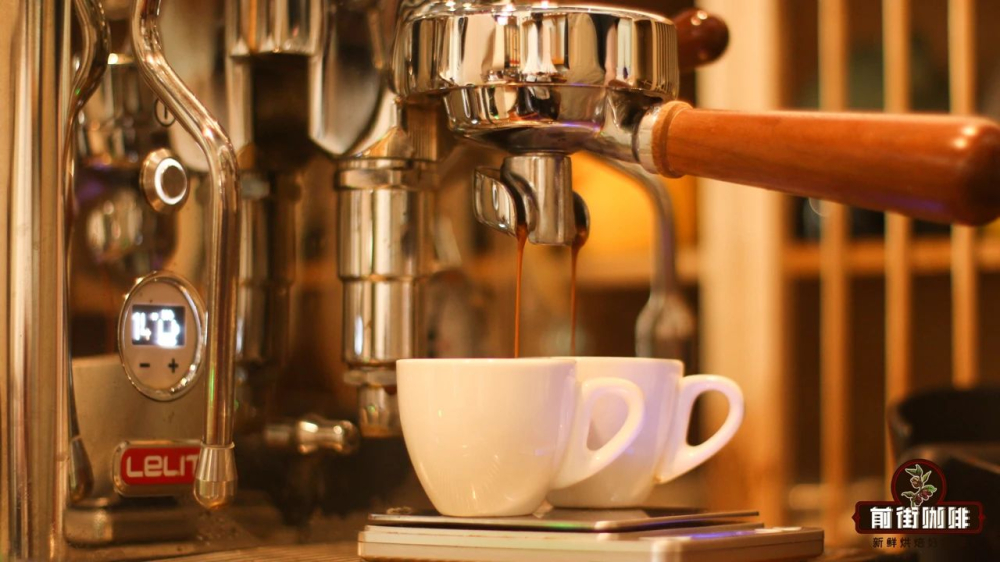
Compared to other coffee brewing methods, espresso places stricter requirements on equipment and technique. To successfully make a true Espresso, you need a semi-automatic coffee machine that can provide stable steam pressure, allowing high-temperature water to quickly pass through an extremely finely ground coffee layer under pressure, extracting a thick, honey-like coffee liquid.
The real definition of espresso is not merely heating and extracting coffee grounds, nor is it re-heating and concentrating regular coffee. It relies on professional coffee machines, where under approximately 94°C hot water and 9 to 10 bar extraction pressure, water rapidly penetrates finely ground coffee, forming a rich and full-bodied cup of coffee. This technique has existed for a long time and is still highly sought after by coffee lovers worldwide. With the increase in specialty bean varieties, its flavor profile has become increasingly diverse.
If you are a beginner just starting with espresso, it is recommended to choose a blend specifically designed for espresso extraction. Such blends not only offer balanced flavors but are also less likely to show obvious flaws due to operational mistakes. For example, if you prefer thick crema and a rich mouthfeel, you can opt for blends with a classic flavor profile; if you want stable output with milder flavors, consider dark roast blends often recommended by baristas; if you wish to experience floral and fruity notes, you might try blends with distinct fruitiness.
The advantage of blends lies in their ability to balance the potential shortcomings of a single-origin bean that might be more pronounced under high-concentration extraction through the combination of beans from different regions. Not only do they offer richer flavor layers, but they also have relatively higher cost-effectiveness, making them very suitable for everyday home use.
Here are the standard espresso extraction steps: First, start the coffee machine and preheat it until the displayed temperature reaches 94°C(please insert specific temperature here), at which point the machine has reached its optimal working state. Next, use a clean cloth to wipe the portafilter basket dry, start the grinder, and grind the appropriate amount of coffee grounds for a double shot. It is recommended to accurately measure the dose to 20 gramsusing an electronic scale.
After placing the ground coffee into the portafilter basket, use a distribution tool to level the coffee surface, ensuring even distribution. Then, use a tamper to apply downward pressure vertically, compacting the coffee into a firm puck. This step is crucial for extraction stability. After tamping, it is recommended to first turn on the extraction switch and let water flow for 1 to 2 secondsto wet the group head and remove any residual coffee grounds, keeping the extraction environment clean.

Place the cup that will receive the espresso on the electronic scale and reset the reading to zero. Then gently mount the portafilter onto the group head and start the extraction. Observe the flow of coffee—if the scale shows the liquid has reached 40 grams and the total extraction time is around 30 seconds , you can then turn off the extraction switch to stop brewing. In this way, you will get a standard and well-balanced espresso shot.
If you want to make a hot Americano, simply prepare a cup with a capacity of about 200 to 250 milliliters , pour in 160 to 200 grams of hot water, and then add the freshly extracted espresso. This easily creates a rich-tasting Americano.
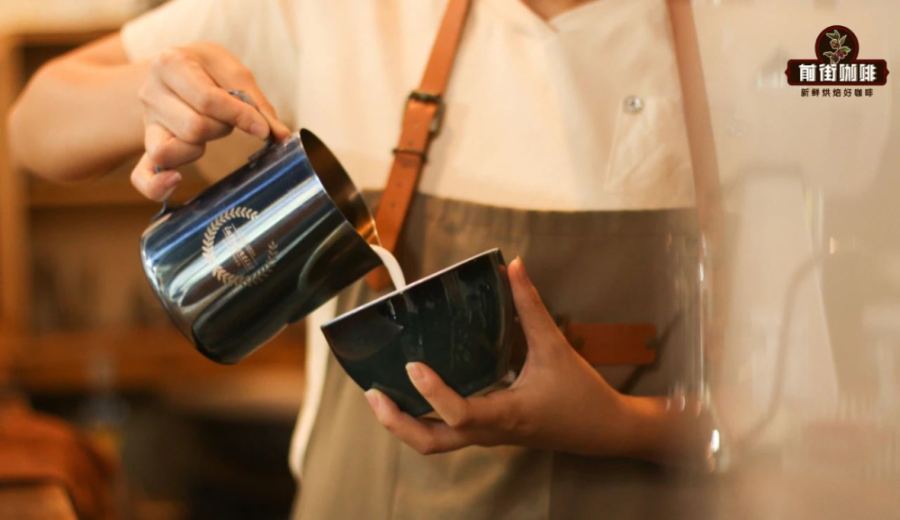
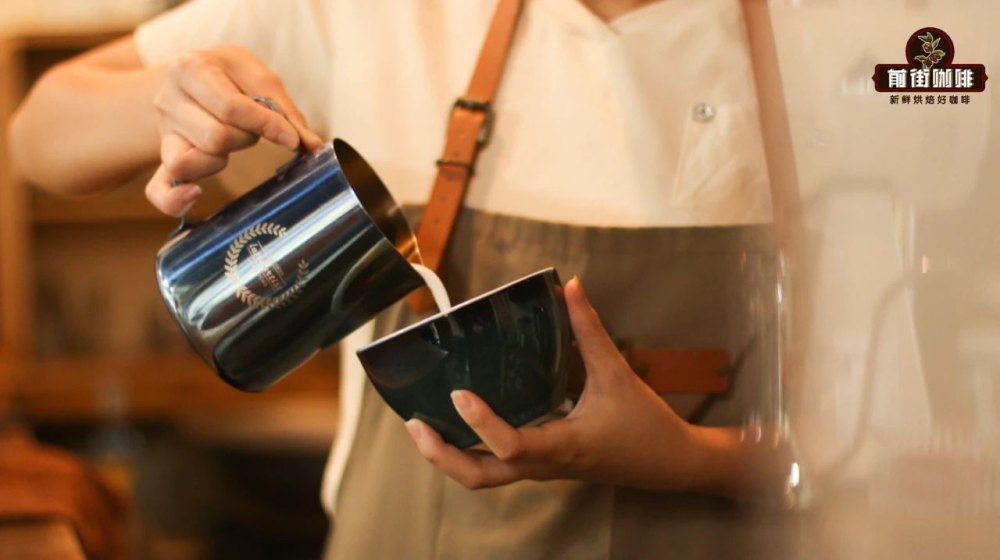
To make a hot latte, you’ll need a cup with a capacity of about 300 milliliters . First, pour in the freshly extracted espresso, then take about 220 milliliters of fresh milk, heat and froth it using a milk pitcher to 55 to 60°C. At this temperature, the milk foam is smooth and delicate, which can perfectly blend with the espresso. Mix the milk foam and espresso evenly, and you can also try creating a simple latte art design to add fun to your drink.
It’s important to note that because daily humidity and the freshness of coffee beans may vary slightly, it is recommended to fine-tune the dose, grind size, and extraction time each time you brew to ensure that every cup achieves the best possible flavor expression.
The above content is compiled by CoffeeHunters, a coffee news website.


