







Introduction:Jamaica Blue Mountain coffee is hailed as the finest in the coffee world, but do you know if it counts as black coffee? This article starts with the basic definition of black coffee and delves into the origin, variety, and meticulously cultivated background of Jamaican Blue Mountain coffee. It also provides detailed equipment selection, parameter suggestions, and practical steps on how to extract Blue Mountain No.1 beans using both pour over and espresso methods—helping you master the secrets to brewing the purest flavor of Blue Mountain coffee.
Jamaica Blue Mountain coffee holds an irreplaceable place in the hearts of coffee enthusiasts, with its name almost synonymous with top-tier quality. But many still wonder: is Blue Mountain coffee really black coffee? In fact, if brewed without added sugar or milk, the coffee made from Blue Mountain beans is the standard definition of black coffee. Starting with the definition, this article will take you through a comprehensive understanding of Blue Mountain coffee’s cultivation background and unique flavors, and offer specific brewing methods for both pour over and espresso machines—so you can enjoy Blue Mountain coffee at home that closely resembles the original Jamaican flavor.
First, it’s important to clarify what black coffee actually is. Black coffee generally refers to coffee made by extracting only coffee grounds and water, without adding any sugar, milk, or other flavorings. This type of coffee retains the most original flavor characteristics, including acidity, sweetness, bitterness, and aroma, and can faithfully reflect the unique traits of the coffee bean's origin. And as one of the world’s most recognized premium coffees, Jamaica Blue Mountain coffee—when brewed correctly without any additional ingredients—is a classic example of black coffee in its true Blue Mountain flavor.
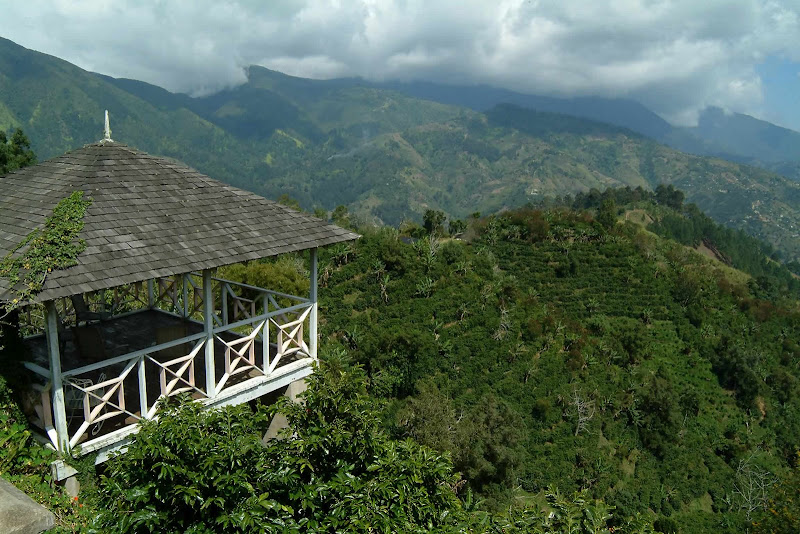
The uniqueness of Jamaican Blue Mountain coffee is inseparable from its exceptionally favorable growing environment. The Blue Mountains are located in eastern Jamaica, with the highest peak reaching 2,256 meters—the tallest in the Caribbean. The area enjoys a cool, foggy climate with annual rainfall of about 1,980 mm, moderate day-night temperature differences, and fertile volcanic soil—all providing nearly perfect growing conditions for coffee trees.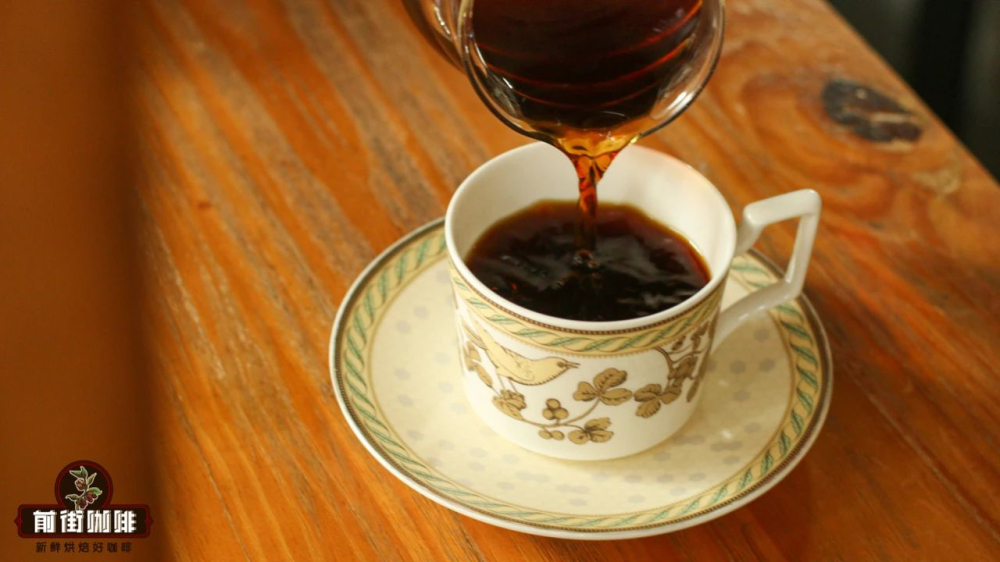
The cultivation of Blue Mountain coffee is strictly limited to the Blue Mountain region of Jamaica, at elevations above 1,000 meters, with areas above 1,200 meters considered the most ideal planting zones. The region is perpetually shrouded in cloud and mist, and the humid air along with its multi-layered microclimates allow the coffee beans to ripen slowly, accumulating richer flavor compounds. Notably, due to the rugged terrain, harvesting relies entirely on skilled female workers who hand-pick only perfectly ripe red cherries—greatly enhancing the overall quality of Blue Mountain coffee.
In terms of variety, Blue Mountain No.1 beans belong to the Typica cultivar—a historic Arabica variety known for its elegant flavor and gentle acidity. Typica coffee trees are tall and have relatively low yields, but the unique environment of the Blue Mountains has led them to develop stronger disease resistance, especially against common issues like coffee berry disease. However, it is said that the unique flavor of Blue Mountain Typica can only be fully expressed when grown in Jamaica itself.
In processing, Blue Mountain coffee uses the traditional washed method, which is a key reason for its clean and bright flavor. After harvesting, the coffee cherries are first floated to remove impurities and unripe fruits, then depulped and fermented to remove the mucilage layer. The beans are then dried naturally on raised beds until they reach around 12% moisture content. The entire process is meticulous, resulting in Blue Mountain coffee beans that are plump, evenly colored, and often with a faint bluish-green hue.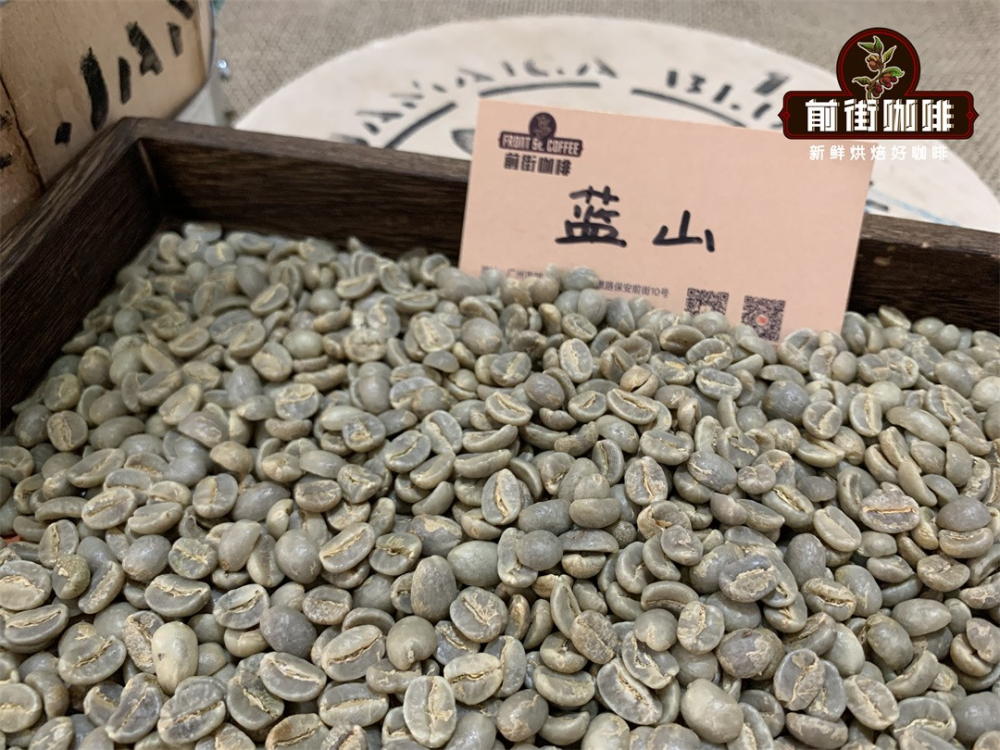
In 2020, a small batch of naturally processed Blue Mountain No.1 was also released, but the washed process remains the mainstream—and the key to maintaining the consistency of Blue Mountain flavors. Additionally, Blue Mountain coffee beans are the only ones in the world exported in wooden barrels. If imported through official channels, you can even apply for official certification to verify authenticity.
When it comes to brewing methods, pour over is one of the techniques that best highlights the delicate flavors of Blue Mountain coffee. It’s recommended to use a Kono dripper, paired with medium grind (approximately 75% passing through a #20 sieve), and a 1:15 coffee-to-water ratio, with water temperature controlled at 87°C. For specific operation, a three-stage extraction is advised: start with a 30-second bloom using 30 grams of water, then pour in water to reach 125 grams with a slow stream and pause briefly, and finally continue pouring up to the total 225 grams of water. The whole process takes about 2 minutes. These parameters help effectively control the extraction rate at a lower water temperature, avoiding over-extraction while showcasing the balanced flavors of Blue Mountain coffee—such as chocolate, nuts, and a hint of sweetness.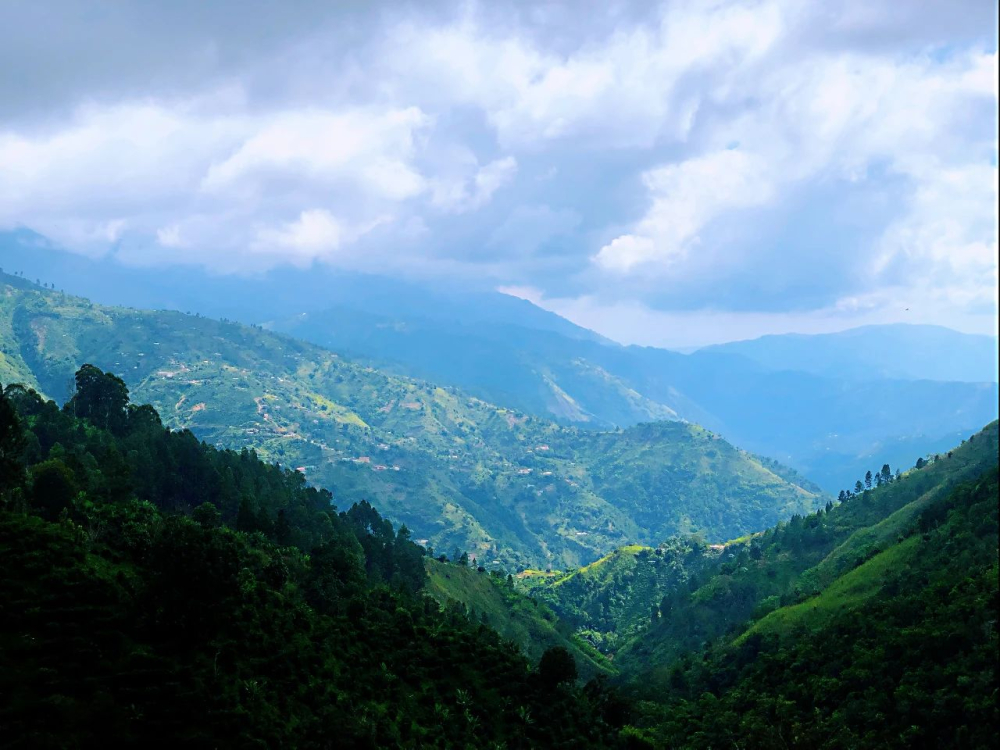
If you want to brew Blue Mountain coffee using an espresso machine, making a Blue Mountain-style Americano is also a great option. It’s recommended to use a double-shot basket, with 20 grams of coffee grounds, aiming to extract 40 grams of espresso, and setting the grind size to 2.2 (using the Galileo grinder as an example), with extraction time controlled between 26 to 32 seconds. This way, the rich aroma and full-bodied texture of Blue Mountain coffee can be fully expressed. For an iced Americano, you can mix the 40 grams of espresso with 180 grams of hot water, or combine it with 100 grams of ice and 120 grams of water, adjusting the ratio to 1:2.5:3—to bring out a refreshing balance of acidity and sweetness.
The above content is compiled by CoffeeHunters, a coffee news website.


