








Introduction:Latte is one of the most popular milk coffees, beloved in both hot and iced forms. But do you know how the preparation methods of iced latte and hot latte differ? And which roast level of espresso beans is best suited to bring out its optimal flavors? This article provides an in-depth look at the history of latte, recommended espresso blends, extraction parameters for shots, steaming techniques, as well as standard ratios for both hot and iced lattes, helping you master this classic coffee from basics to advanced techniques.
Among the many types of espresso-based drinks, the latte arguably has the highest proportion of milk. Whether hot or iced, their base recipes are quite similar, yet there remain many subtle differences in actual preparation. This article will start with the historical origins, delve into bean selection, extraction and milk texturing techniques, and offer practical ratio suggestions for both hot and iced lattes, allowing you to brew a balanced and classic latte either at home or in a café.
The word “latte” comes from the Italian word for “milk.” As early as the 17th century, people in Europe began experimenting with mixing coffee and milk, with Italy being one of the birthplaces of this trend. Although espresso machines had not yet been invented at the time, people already knew how to blend coffee and milk in various ways. It wasn’t until the late 19th century, with the invention and popularization of the espresso machine, that the modern latte gradually took shape. Interestingly, if you order a “Latte” in Italy, the server might just give you a glass of milk, because in Italian, “Latte” simply means milk.

Due to variations in blends used, espresso machine models, and milk quality across regions, the flavor of lattes can differ. However, the core remains the same: a good latte should be a perfect combination of espresso and a generous amount of milk, showcasing the layers of the coffee while maintaining the smoothness and sweetness of the milk. Achieving this balance starts with the careful selection of beans.
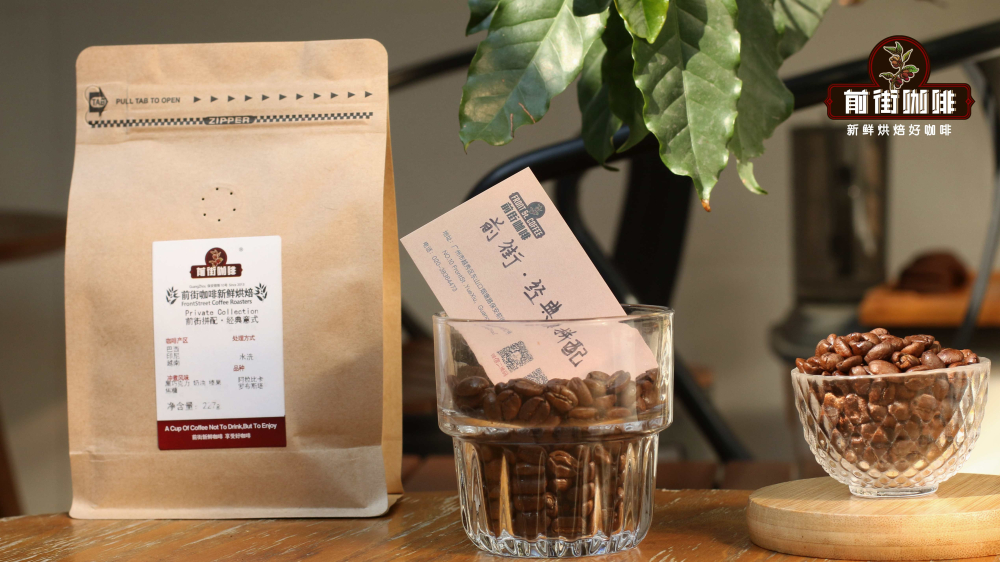
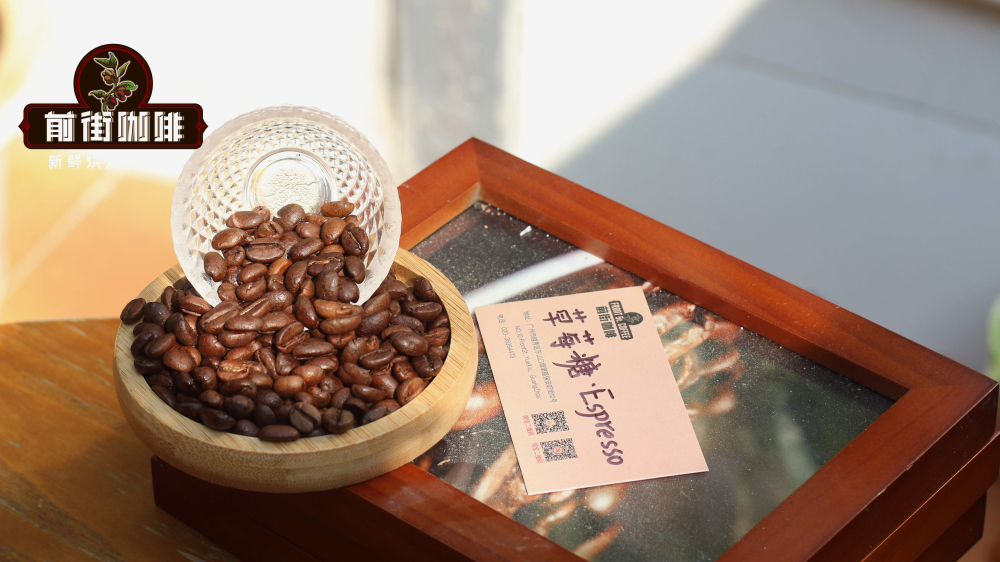
When choosing espresso beans suitable for latte, it is recommended to prioritize medium-dark to dark roast blends that perform well under espresso machine extraction. Lighter roasted beans, such as those commonly used for pour over single-origin coffees, have more pronounced acidity. Under high-pressure extraction, they can produce sharp acidic notes, which may disrupt the overall flavor harmony when paired with milk. In contrast, medium-dark to slightly darker roasts can bring out caramel, nutty, and chocolatey notes, complementing the milk to create a smoother and more balanced taste.
Generally, light-roasted beans, due to their higher acidity and brighter flavors, are better suited for pour over or filtered brewing methods rather than the high-pressure environment of an espresso machine. If you prefer a latte with a pronounced sweetness, you can choose carefully blended beans that possess natural sweetness characteristics—such as blends featuring the sweet notes of raisins, floral tones, and cocoa layers—which can add more depth and smoothness to the latte’s flavor.

In practice, the extraction parameters of the espresso shot directly influence the final flavor profile. Taking a standard double shot as an example, it is recommended to use 9 bar of pressure, with water temperature controlled between 90.5–96°C, an extraction time of approximately 20–30 seconds, and a coffee-to-water ratio suggested within 1:1.7 to 1:2. The coffee dose can vary based on machine settings, such as 12 grams (single shot) or 20 grams (double shot). The resulting espresso yield should be around 20 ml (single) or 40 ml (double). This parameter range effectively highlights the coffee’s richness and aroma, while ensuring good integration with the milk.
Next, let’s focus on making a hot latte. It is recommended to use whole fresh milk, and the steaming temperature should be controlled between 50–60°C. Too low a temperature fails to release the lactose sweetness in the milk, while too high a temperature can cause the proteins to denature, leading to a rough, grainy texture in the foam. The ideal milk foam thickness is about 1 cm, which is suitable for a latte. If you wish to create a closer-to-cappuccino flavor, you can slightly increase the foam thickness.
The technique for steaming milk is quite crucial. Before starting, it is advisable to purge the steam wand to expel any condensed water inside and avoid overly wet foam. Then, insert the steam wand diagonally into the milk at a moderate depth—too deep will only heat the milk without creating fine foam; too shallow can create large bubbles, hindering later latte art. The optimal position is to place the wand close to the edge of the pitcher's spout, slightly off-center by about 1 cm. During steaming, you should hear a soft, hissing sound similar to “blowing through a straw,” not a metallic clanging noise. Once the milk reaches 50–60°C, turn off the steam.
The recommended ratio for a hot latte is 1:6.5, meaning 40 ml of espresso is paired with about 260 ml of hot milk. Combining the steamed milk and espresso by pouring in a circular motion creates a smoother overall flavor, with the natural sweetness of the milk naturally highlighting the coffee’s aroma and layers without overpowering the coffee’s own characteristics.
As for the iced latte, its preparation is relatively simple yet equally particular. It is recommended to use chilled whole fresh milk, mixed with ice cubes at a 1:3 ratio, aiming for a total volume of about 300 ml, then adding 40 ml of a double shot of espresso. This ratio ensures the drink remains cool while maintaining appropriate intensity and milk flavor. If you find that too many ice cubes dilute the overall taste, you can adjust the ratio of ice to milk accordingly.
Whether you prefer the gentle sweetness of a hot latte or the refreshing richness of an iced latte, mastering the details of bean selection, extraction, and milk texturing allows you to easily create a professional-grade latte at home or in a café. From history, bean selection, parameters to ratios, this comprehensive guide is your best resource for entering the world of latte.
The above content is compiled by CoffeeHunters, a coffee news website.


