







Introduction:Have you ever wondered why menus at coffee shops often list espresso and Mandheling separately? This article delves into the fundamental differences between the two — from the diverse composition of espresso blends and the principles of espresso extraction, to the terroir characteristics of Sumatran Mandheling, its single-origin flavor profile, and practical recommendations for roasting, grinding, and pour over/espresso brewing parameters. It’s designed to help coffee enthusiasts grasp the key distinctions and master essential techniques.
When you walk into a café and look at the menu, you’ll often find “espresso” and “Mandheling” categorized under different sections — the former is typically paired with drinks like lattes and cappuccinos, while the latter is usually served as a single-origin brew. This distinction isn’t just about menu organization; it reflects deeper differences in bean variety, blending philosophy, and brewing methods. This article begins by explaining the composition principles behind espresso blends, then gradually explores their espresso extraction characteristics. It goes on to introduce the origin background, flavor profile, and historical roots of Sumatran Mandheling, and finally provides key parameters for roasting, grinding, and pour over/espresso brewing of single-origin Mandheling. This will help clarify the essential differences between the two and improve your practical brewing quality.
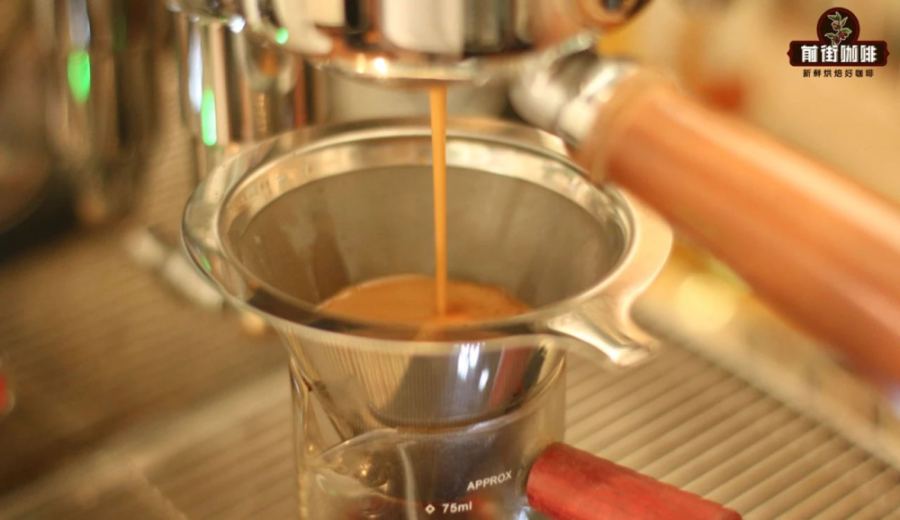
So-called “espresso beans” are actually “espresso blends,” typically composed of six to eight types of coffee beans from different origins and varieties, mixed in specific proportions. The goal is to balance flavors and ensure stable extraction performance. These blends serve as the foundation for classic drinks like espresso, latte, and cappuccino. The essence of espresso lies in the combination of high pressure (around 9 Bar) and precise water temperature (90–96°C), which extracts the oils (crema) and flavor compounds from the coffee’s fiber into a thick, syrupy liquid. This results in the signature dark reddish-brown, fine crema layer and delivers a bold, rich taste with an aftertaste that can linger for several minutes. It’s worth noting that blending is not random; it requires careful consideration of each bean’s acidity, sweetness, bitterness, body, and aroma. Through hundreds of iterations in proportion adjustments and roast tests, the final blend achieves a harmonious flavor profile suited to a broad audience.
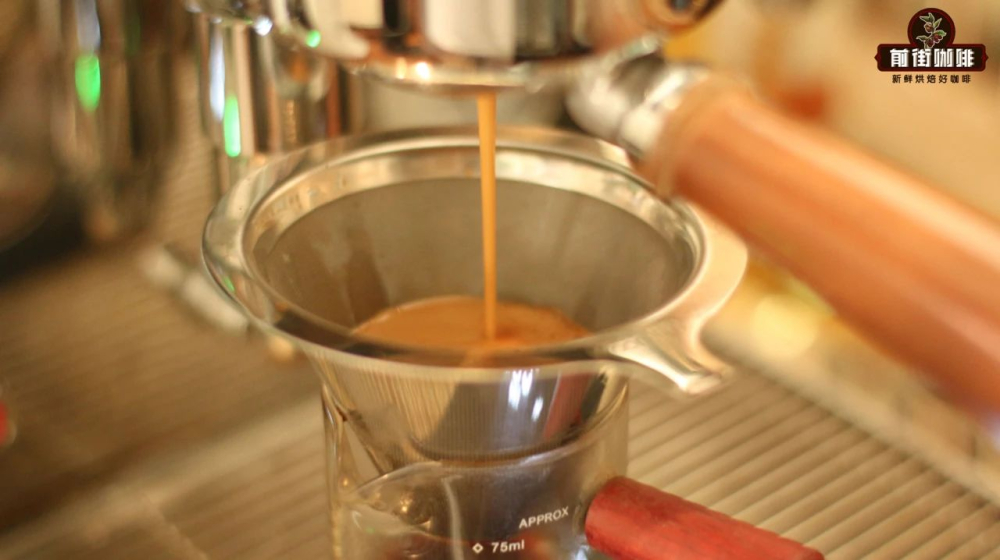
In contrast, Sumatran Mandheling is a representative single-origin Arabica coffee from the highland regions of Sumatra, Indonesia, grown at elevations between 750 and 1500 meters. Its flavor profile is dominated by bold, mellow, and full-bodied characteristics, accompanied by unique herbal, spicy notes, and subtle sweetness. Its acidity is not pronounced, but it has a deep chocolate and syrupy base, with a long-lasting aftertaste that carries an earthy quality. The bitterness of Mandheling is not simply harsh, but rather contrasts with its rich aroma, creating a uniquely “bitter-with-character” style. This makes it especially popular among those who prefer a strong, bold cup, and it is also commonly used as the flavor base in espresso blends. This bean is highly sensitive to roast levels; a moderate to dark roast can enhance its body, but over-roasting may lead to burnt bitterness that masks its nuanced flavors.
For roasting, Mandheling is recommended to be roasted in the medium-dark to dark range (Agtron approximately 35–55) to fully bring out its intrinsic aromas and balance its natural earthy tones. Grind size should be adjusted according to the brewing method:For pour over, a medium-fine grind is recommended (similar to fine sugar, around 70–75% passing through a #20 sieve),for espresso, a fine grind is needed (close to flour texture, around 85% or more passing through a #18 sieve). When pour over brewing, it’s advised to use water at 90–94°C, employing a pulse pouring technique (e.g., 30g coffee → 60g water for a 30-second bloom → then pour up to 240g total, with a total brew time of 2 minutes 30 seconds to 3 minutes) to fully extract its mellow and spicy notes. If using a moka pot or espresso machine, ensure stable pressure (9 Bar), maintain water temperature between 90–96°C, and use a evenly compacted coffee puck (about 30 pounds of tamping pressure) to achieve a thick, layered extraction.
In summary, espresso blends emphasize the harmony of diverse flavors and the intense expression achievable through espresso extraction, making them ideal for milk-based drinks. In contrast, Sumatran Mandheling shines as a single-origin brew, showcasing its unique boldness, mellowness, and spice-driven base, appealing to those who enjoy deeper, richer flavors. Understanding the differences between the two in terms of origin, blending logic, roast characteristics, and brewing parameters not only helps you choose the right beans more accurately, but also enhances your home or professional brewing quality, allowing you to explore the endless possibilities of coffee flavor.
The above content is compiled by CoffeeHunters, a coffee news website.


