







Introduction:Delve into how Honduras Litchi Orchid coffee develops its unique brandy-like aromatic profile through barrel fermentation in brandy casks. From the growing altitude of the region, the characteristics of the coffee variety, to the refined roasting curve—this guide dissects the flavor code of this specialty bean step by step. It also provides three practical brewing methods: French press, pour over, and espresso—complete with key parameters and step-by-step instructions—to help you fully unlock the layered flavors of wine-heart chocolate and litchi fruit.
The final flavor profile of a cup of coffee is the result of a symphony composed by the microclimate of the origin, the coffee variety, the post-harvest processing, and the roasting technique. Among these, the processing method is the core factor that determines the direction of the flavor—washed processing emphasizes clean and bright acidity, while natural processing creates a rich sweetness and full-bodied mouthfeel. In recent years, barrel fermentation has emerged as a standout technique in the specialty coffee scene, gaining attention for its distinctive alcoholic aroma notes. The Litchi Orchid coffee beans from Honduras’ Mocha Estate are a classic example of low-temperature fermentation in brandy casks, sharing lineage with the well-known sherry cask coffee beans from the same region.
 To unlock the flavor mystery of Litchi Orchid coffee, one must start with the environment of the growing region, the variety blend, and the innovative processing technology. The Mocha Estate is located in the Marcala region of Honduras, where the average altitude is about 1,500 meters. The high elevation slows down the ripening process of the coffee cherries, which helps accumulate flavor compounds. This coffee bean is a blend of two major varieties: Caturra and Catuai. The former is a natural mutation of Bourbon, inheriting elegant floral and fruity notes while offering relatively high yields; the latter is a hybrid of Caturra and the Mundo Novo variety, known for its strong disease resistance. Together, they lay a solid flavor foundation for Litchi Orchid.
Its most distinctive feature—the barrel fermentation process—is the source of its highlight flavors. After harvesting, the coffee cherries first undergo a washing process to remove the pulp and skin, leaving behind the parchment-covered beans, which are then placed into brandy casks. They ferment at a low temperature of 15–20°C for 30–40 days. During this process, the original aromatic compounds in the cask interact with the enzymes in the coffee beans. After drying to around 11% moisture content, the beans are left with a unique foundation of wine-heart chocolate and creamy aroma notes.
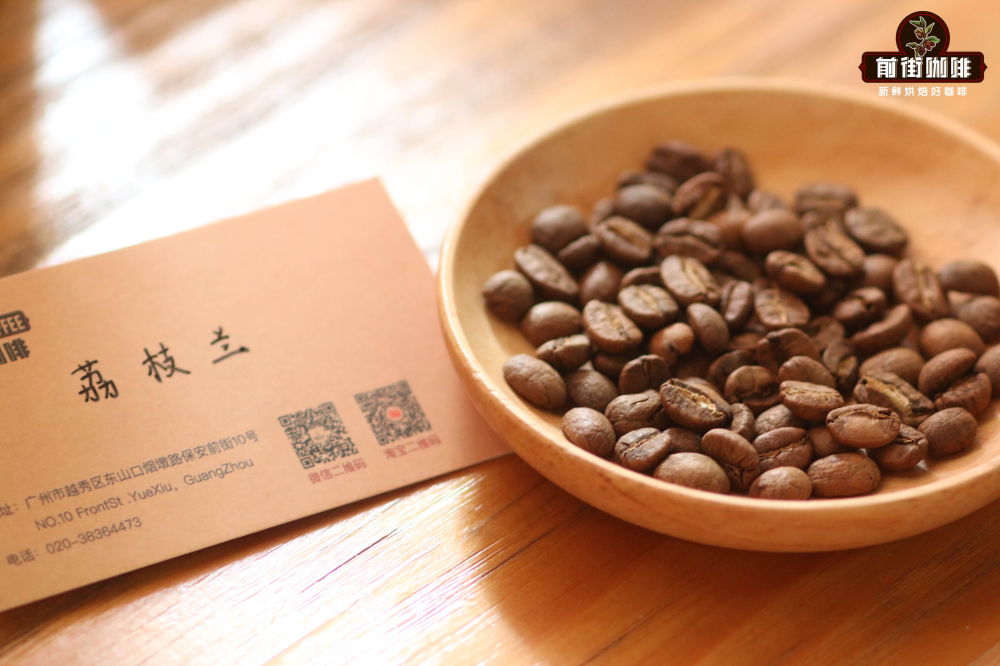 Roasting also plays a crucial role in flavor expression. During actual roasting, the beans are dropped into the roaster at a high temperature of 220°C, with the initial air damper set to 4 and flame power to 200. The turning point (recovery point) appears after about 1 minute and 30 seconds. When the roaster temperature reaches 140°C, the air damper is adjusted to 6; at 151°C, the flame power is reduced to 120; and at 176°C, it’s further reduced to 80. Around 8 minutes and 28 seconds, the bean surface begins to show wrinkles and dark speckles. At this stage, the aroma transitions from toasted bread notes to the intrinsic aroma of coffee, signaling that first crack is imminent. First crack begins at 9 minutes and 15 seconds. Careful flame control is needed to prevent the cracking sounds from suddenly stopping. The coffee continues to develop for 2 minutes and 10 seconds after first crack, and the roasting is completed at 195°C when the beans are dropped.
Generally, cupping performed 24 hours after roasting can most accurately reflect the beans’ potential, and it also serves as an important basis for adjusting the roasting curve and for quality control in cafés. During cupping, Litchi Orchid exhibits distinct notes of wine-heart chocolate, honey, and bright fruit acidity, with a soft litchi aroma in the aftertaste, closely echoing the barrel fermentation process.
The brewing method directly affects how the flavors are released. The following three common methods each have their own unique characteristics:
French Press (Immersion Extraction)
Ideal for coffee lovers who prefer ease of use and faithful flavor representation. It is recommended to use 15 grams of coffee beans, with a 1:15 coffee-to-water ratio (total water volume 225 grams), and a grind size similar to setting 11 on an ek43s grinder (coarse). Preheat the French press, add the coffee grounds, pour in 94°C hot water, and let it steep for 4 minutes. Once the time is up, slowly press down the filter. This method delivers a flavor closest to cupping results, with wine aroma and dark cocoa tones as the main profile, soft acidity, and the metal filter adding more body.
Pour Over (Drip Filtration)
The top choice for highlighting nuanced layers with a V60 dripper. Use 15 grams of coffee beans, with a grind size set to 80% passing through a #20 sieve (approximately ek43s setting 7–8), a coffee-to-water ratio of 1:15 (total water volume 225 grams), and water temperature controlled at 90°C. Use a three-pour method: the first pour is 30 grams for a 30-second bloom; the second pour goes up to 125 grams after a 10-second interval; the final pour brings the total to 225 grams. Total extraction time is about 2 minutes. The drip structure enhances the layering of fruit and wine aromas.
Espresso (Pressure Extraction)
Suitable for those who enjoy a bold and intense taste. Presented in SOE (Single Origin Espresso) form, it is recommended to use 18.5 grams of coffee grounds to extract 36 grams of espresso, within a time limit of 20 seconds, using a grind fineness similar to ek43s setting 0.5 (fine). Due to the low coffee-to-water ratio and high concentration, the flavors are more concentrated upon entry, with medium-high acidity, slightly lower sweetness but good balance, moderate bitterness, and a velvety-smooth mouthfeel. The aftertaste carries a distinct fermented wine aroma and rich lingering notes.
No matter which brewing method you choose, be sure to use freshly roasted beans within 5 days of roasting, and allow the beans to rest for 4 to 7 days after arrival to go through the optimal degassing period—this is when the flavor performance is most complete.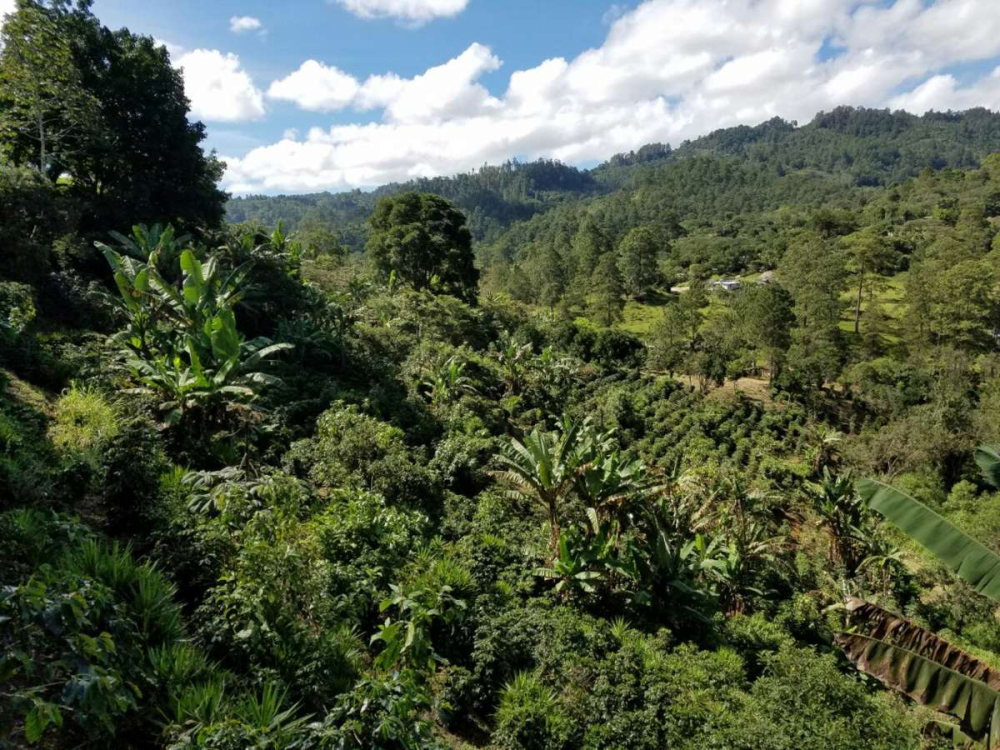 The images can help observe roast color and bean appearance, serving as a reference for quality control.
The above content is compiled by CoffeeHunters, a coffee news website.


