








Introduction:Americano coffee is a daily choice for many office workers and coffee enthusiasts due to its quick preparation and refreshing flavor, especially popular in hot weather. But do you know about its origins, its actual impact on health, or why some find it hard to drink? This article delves into the historical background, nutritional value, brewing parameters of Americano, analyzes the source of its bitterness, and provides practical extraction tips and precautions to help you better understand this classic coffee.
Walk into any café, and “Americano” is almost always a staple on the menu. Whether you’re looking for a quick energy boost or a cool drink on a hot summer day, its efficient brewing time and refreshing taste make it a top choice for many. Especially in the Guangdong region, where high temperatures make iced Americano a go-to refresher, yet this seemingly simple coffee hides many details worth exploring in depth.
There are two common stories about the origin of Americano. One dates back to World War II, when American soldiers stationed in Italy found the strong flavor of espresso too intense, so they diluted it with hot water themselves. Locals then jokingly called the drink “Americano,” meaning “the American’s coffee.” Another story involves Starbucks founder Howard Schultz, who, after introducing espresso to the U.S. market, began offering a diluted version to suit local tastes, gradually leading to the widely recognized style we know today.

Technically speaking, an Americano is simply “espresso with added hot water.” A common ratio is one to two shots of espresso mixed with an appropriate amount of hot water to adjust the strength. These coffees often use medium to dark or dark roasted blends, extracted under high pressure to release rich and layered flavors, then diluted with water to create a relatively refreshing drink that still retains the essence of coffee.
When it comes to the benefits of drinking Americano, the first thing to mention is its nutritional content. Coffee naturally contains B vitamins (especially niacin), small amounts of free fatty acids, caffeine, and tannic acid, among other compounds. These components not only help with alertness but also promote metabolism to some extent. In addition, caffeine stimulates the central nervous system, helping to relieve fatigue and improve concentration, making it an “energy source” for many busy professionals.
Looking further, studies show that coffee has mild diuretic and digestive benefits, and for some people, it may also aid in fat metabolism. The magnesium and potassium in coffee can help regulate blood sugar and reduce cravings for high-sugar snacks; caffeine can also prompt fat cells to release fatty acids to be used as energy during exercise. For this reason, many people focused on body management choose black coffee as their daily beverage.
Compared to other common coffee drinks, such as lattes and cappuccinos that contain large amounts of milk and syrup, Americano has extremely low calories—almost negligible. Even at chain brands like Starbucks, a grande Americano has very limited calories, making it highly favored by calorie-conscious consumers, including many celebrities and fitness enthusiasts. Additionally, since it contains no dairy, it can reduce oral odor, making it suitable for after-meal drinks or social occasions.
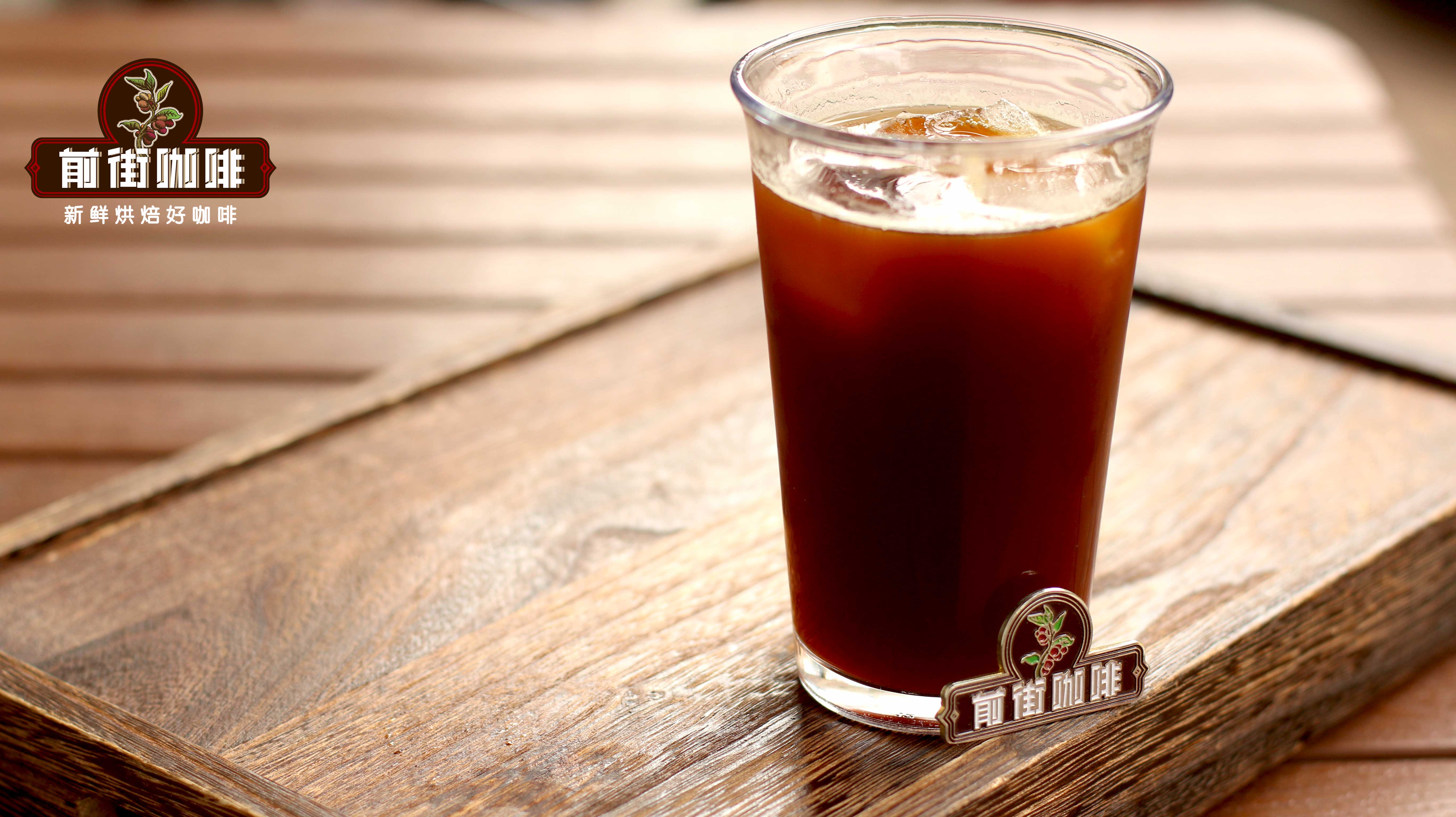
So, how is an Americano made? The principle is actually very simple: it’s made by adding an appropriate amount of hot water to brewed espresso. Taking commonly used industry parameters as an example, a standard Americano typically uses about20 grams of coffee grounds, extracted by an espresso machine in28 to 29 secondsto produce35 grams of concentrated liquid, then diluted with hot water according to personal taste. This method balances flavor intensity with overall balance.
Some cafés use their own custom blends, combining beans from different regions and processing methods to deliver more layered profiles. For example, some blends might combine the winey richness and body of Honduran Sherry with the bright fruity acidity of Ethiopian Yirgacheffe sun-dried beans, creating a flavor journey that starts with citrus acidity, moves through berry notes, and ends with a finish of dark chocolate. Such blends are not only suitable as espresso bases but can also showcase diverse flavors in pour over brewing.

However, not every Americano will taste good. Many people, upon their first try, are put off by its “bitterness.” There are two main reasons behind this: the characteristics of the coffee beans themselves and technical issues during the brewing process.
First, if you’re using dark roasted beans or blends with inherently bold and heavy flavors, even simple dilution may result in noticeable burnt bitterness and smokiness. These beans are usually roasted to medium-dark or darker levels, featuring notes of dark chocolate, nuts, and charcoal. Without proper control of brewing time and water temperature, these traits can easily be amplified.
On the other hand, “over-extraction” is another common cause of bitterness. Over-extraction refers to the extraction of too many unnecessary high-molecular compounds from the coffee grounds, such as astringent substances and excessive tannins. This can result from overly fine grinding, excessively high water temperature, or improper water flow control leading to uneven extraction (such as channeling). According to the “Golden Cup Standard,” the ideal extraction rate should fall between18% and 22%. Below this range, the coffee may taste sour and thin, while exceeding it can easily produce unpleasant bitter and astringent sensations.
In summary, Americano is not just a pick-me-up tool, but also a form that showcases the essence of coffee. From its historical roots, nutritional value, to actual brewing and flavor control, understanding these details can help you better appreciate this classic beverage and find the most suitable brewing method and bean combination based on your personal taste preferences.
The above content is compiled by CoffeeHunters, a coffee news website.


