







Introduction:Drip bags combine convenience with quality, making them the daily choice of many coffee enthusiasts. This article delves into the brewing steps, storage tips, and common misconceptions about drip bags, and selects a variety of specialty drip bag products based on four major flavor profiles: floral, fruity, fermented, and bold. It helps readers choose according to their taste preferences, grasp the optimal drinking window, and enjoy a professional-grade coffee experience.
With their ease of use without compromising on flavor, drip bags have become a daily beverage for an increasing number of coffee lovers. Especially for busy office workers, it’s possible to quickly brew a great cup of coffee at home or in the office without professional equipment. However, how can you brew it correctly to bring out the best taste? Does the storage method affect the flavor? What is the optimal drinking period? This article will detail the brewing process and storage precautions for drip bags, and recommend several representative products tailored to different flavor preferences, helping you easily choose the right drip bag for yourself.
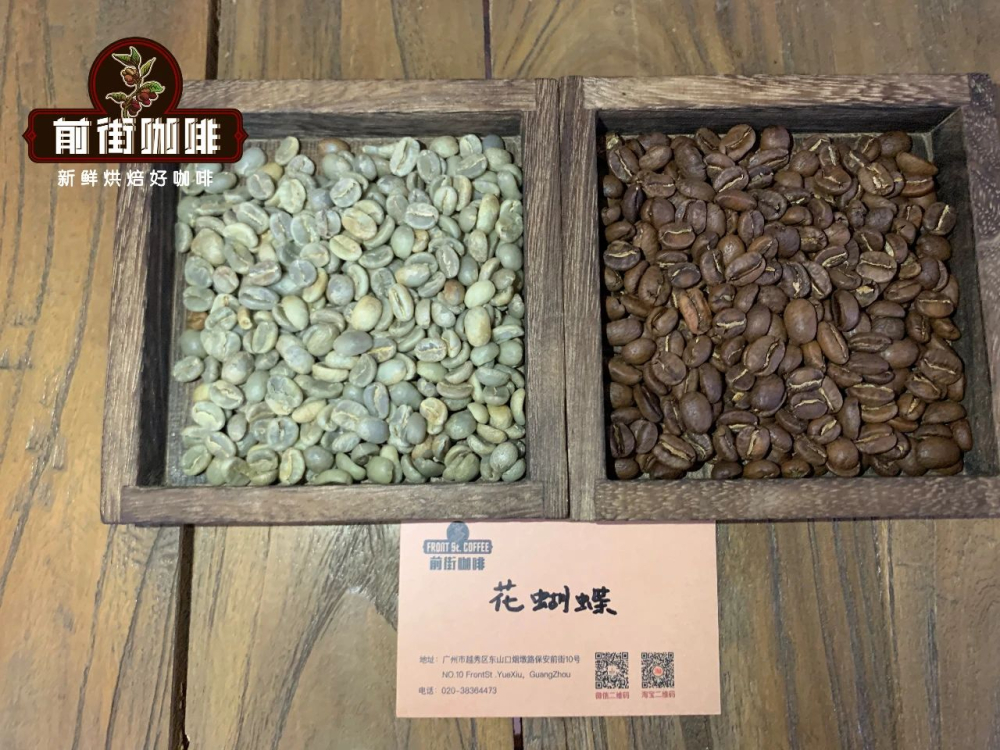
[Floral Series Drip Bag Recommendation] · Huadianhu
For readers who enjoy coffee with prominent floral notes, we recommend trying the ‘Huadianhu’ drip bag from Boquete, Panama. This blend uses 70% Geisha, complemented by Caturra and Catuai varieties, grown at around 1,600 meters in the Baru Volcano region. Benefiting from significant day-night temperature differences and abundant rainfall, along with rigorous harvesting and washed processing, it offers a rich body, bright acidity, and elegant floral aroma. Its flavor profile includes floral notes, black tea, berries, and citrus, with a hint of nuttiness in the aftertaste. The overall mouthfeel is smooth with low bitterness, making it highly cost-effective and ideal for beginners wanting to experience high-quality Geisha flavor.
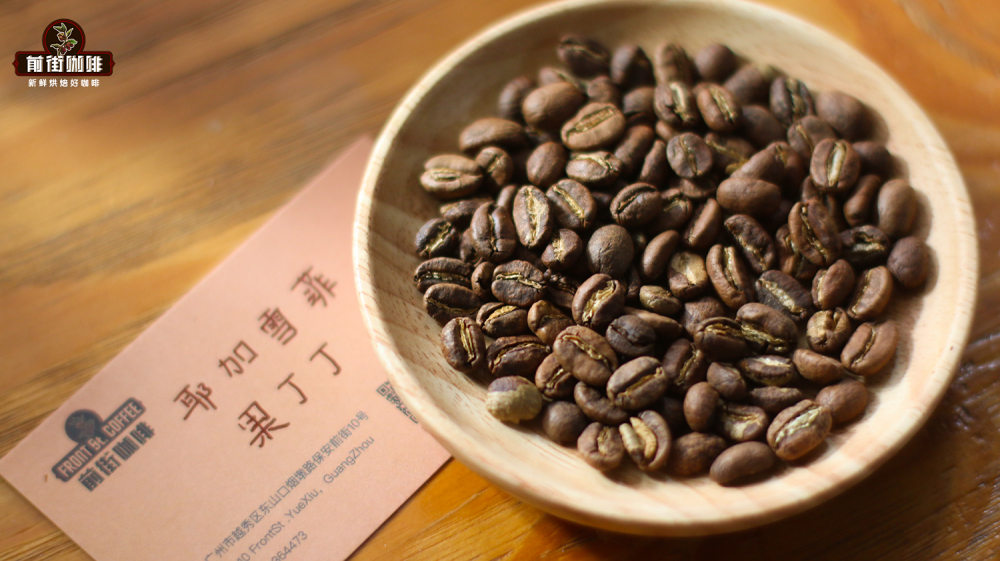
[Fruity Series Drip Bag Recommendation] · Guodingding
If you prefer a fresh fruity flavor profile, the ‘Guodingding’ from Yirgacheffe, Ethiopia, is an excellent choice. This coffee is washed processed, showcasing the clean and refreshing characteristics typical of Yirgacheffe, with bright acidity and citrus notes, accompanied by delicate jasmine floral and honey undertones. It’s suitable for beginners or consumers who enjoy a light and refreshing style. The growing altitude ranges between 1,900 and 2,300 meters, and it is of the Heirloom variety. After brewing, it delivers a solid mouthfeel with standout tropical fruit and berry flavors. As the temperature changes, a creamy-like aftertaste can be perceived, while the citrusy acidity and sweetness linger pleasantly.
[Fermented Series Drip Bag Recommendation] · Caotangtang
For those wanting to experience coffee with fermented flavors, the ‘Caotangtang’, made using raisin honey processing, is a great option. Sourced from the Miramar Estate in Tarrazú, Costa Rica, it is grown at 1,700 meters and includes varieties such as Geisha, ET47, SL28, and MACIO. The honey processing method significantly enhances the sweetness. Upon tasting, it offers flavors of strawberry soft candy, dried fruit, and rose aroma, with gentle acidity and an almond-toned aftertaste. It’s especially suitable for users who dislike bitterness or are trying special processing methods for the first time.
[Bold Series Drip Bag Recommendation] · Golden Mandheling
For readers who prefer a rich and bold mouthfeel, we recommend the ‘Golden Mandheling’ drip bag produced by Indonesia’s PWN company. Sourced from the Gayo Highlands of Aceh, Sumatra, at elevations between 1,100 and 1,600 meters, it is processed using the traditional wet-hulled method, giving the coffee a strong and bold character. Its flavors include intense nuts, caramel aroma, and chocolate notes, coupled with spicy and herbal undertones. The mouthfeel is balanced and layered, making it an ideal choice for fans of dark roast styles.
Regarding the storage of drip bags, many consumers mistakenly believe that the degassing valve can extend the shelf life. In reality, although the degassing valve is designed to release carbon dioxide emitted by the coffee beans and prevent the packaging from bursting, it also accelerates aroma loss and cannot effectively block oxygen from entering. Therefore, it does not truly prolong the optimal drinking period. It is recommended to store drip bags in a cool, dry, and well-ventilated environment, away from direct sunlight and moisture. Although the outer packaging may indicate a shelf life of 6 to 12 months, in realitythe optimal drinking period is only about one month. Beyond this period, the aroma noticeably declines, and the taste is greatly compromised, so it’s best to enjoy them while fresh.
Additionally, unlike tea leaves,drip bags absolutely should not be brewed more than once. After the first brew, most of the flavor compounds in the coffee grounds have already been released, leaving mostly bitter components. Moreover, the water flow rate slows down, and a second brew often results in unpleasant-tasting coffee.
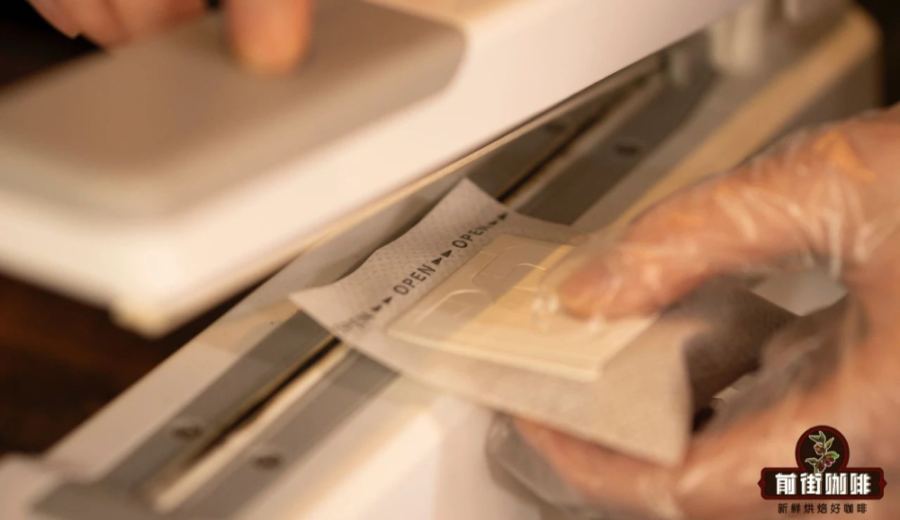
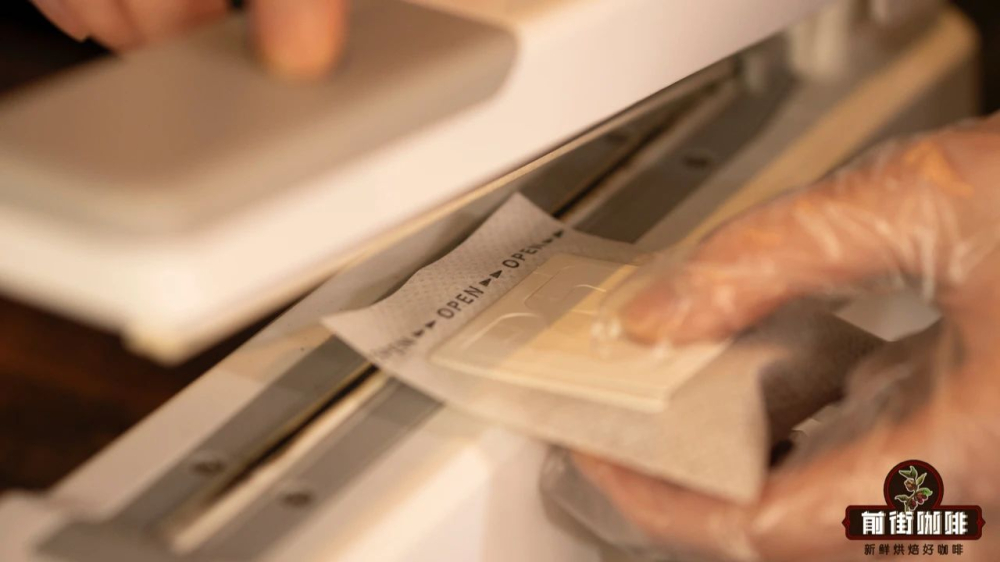
The brewing method for drip bags is actually very simple and doesn’t require complicated tools or techniques. Compared to pour over, it is more beginner-friendly. The basic tools you only need are the drip bag, hot water, a cup, and a pour over kettle. First, tear open the outer pouch of the drip bag and open the seal along the OPEN marking. Unfold the two ‘ears’ on the sides of the drip bag and hang them securely on the rim of your cup. Then, slowly pour hot water, starting with a small amount to evenly wet all the coffee grounds and let it bloom for about 30 seconds. Afterward, gradually pour about 120 milliliters of hot water, wait until the coffee drips through completely, then remove and discard the drip bag, and enjoy a full-flavored cup of drip coffee.
The above content is compiled by CoffeeHunters, a coffee news website.


