







Introduction:Take an in-depth visit to Finca Deborah, the highest-altitude coffee plantation in Panama, and discover how it cultivates some of the world’s finest Geisha coffee in extreme conditions. This article details the farm’s geographical environment, unique processing methods, and fully breaks down the cupping profile and pour over recommendations for the Savvys Series Geisha—providing practical insight for coffee enthusiasts seeking ultimate flavor.
Among the brilliant constellation of specialty coffee in Panama, Geisha is undoubtedly the brightest star, and Finca Deborah has crafted an astonishing coffee legend by standing tall at elevations above 2000 meters. The founder, Jamison Savage, was originally an elite figure in the U.S. banking industry. After meeting his Panamanian wife, he resolutely left his finance career behind, ventured far from home, and built his dream coffee kingdom from scratch. From conceptualizing the idea in 2007, planting the first batch of Geisha seeds at over 1900 meters above sea level in 2010, to officially entering commercial production in 2016, this journey took him a full decade.
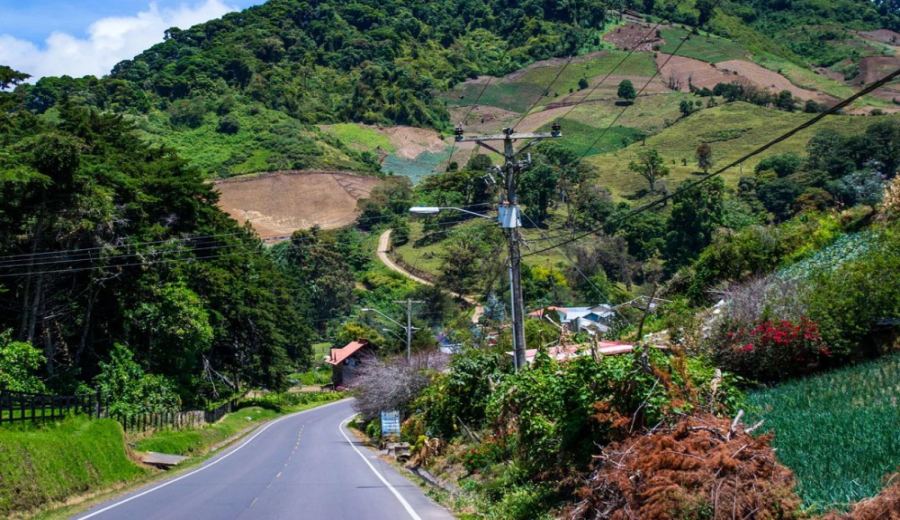
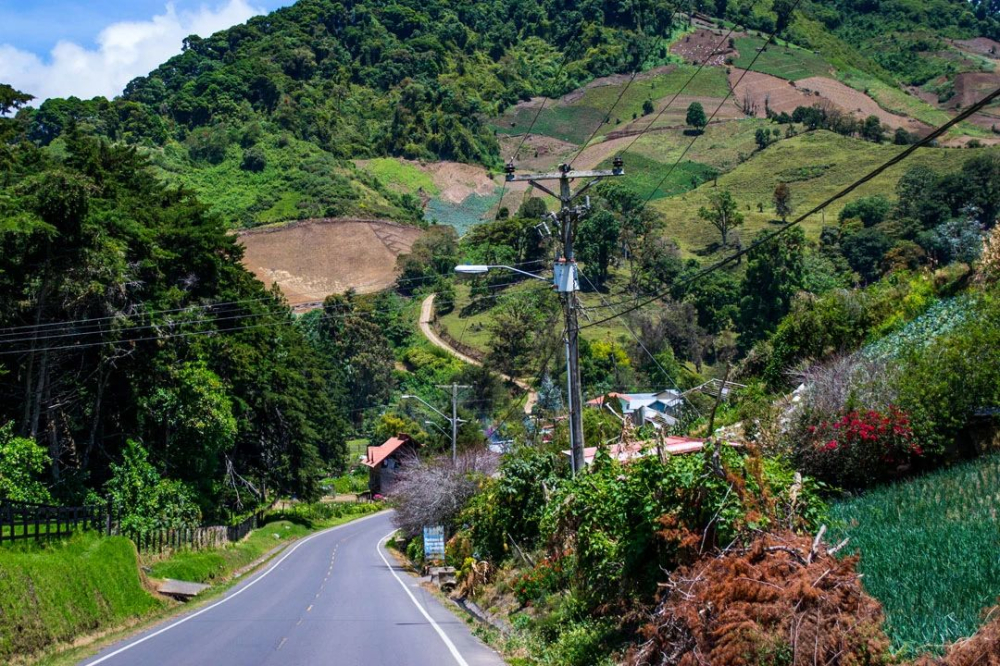
Finca Deborah is located in the Volcán region of Chiriquí Province, Panama—a highland plantation surrounded by dense virgin forests, with altitudes generally exceeding 2000 meters, and certain sections even approaching 2350 meters. It is one of the highest coffee-growing areas not only in Panama but across the globe. The climate here is cool, with significant diurnal temperature variation, often dropping below 10°C at night. For most coffee varieties, such an environment is extremely harsh, but for Geisha, it becomes the stage where it can truly shine.
High altitude not only suppresses common pests, diseases, and fungal infections, but also slows down the ripening process of coffee cherries, allowing beans more time to accumulate sugars and complex flavor compounds. Coupled with the area's year-round thick fog and abundant rainfall—annual precipitation reaches up to 2200 mm—these are key factors that enable Geisha to exhibit its unique balance of acidity and sweetness, delicate floral notes, and profound depth of flavor. As a result, the Geisha produced at Finca Deborah often carries highly distinctive bright citrus, white floral notes, and a sweet aftertaste reminiscent of tropical fruits.
In addition to Finca Deborah, Jamison Savage also manages Morgan Estate and Savage Coffee Project. Morgan Estate is also situated in the Volcán region, adjacent to the western slopes of Volcán Barú, covering a planted area of 15 hectares with approximately 2000 coffee trees per hectare, surrounded by tropical rainforests and natural waterfalls, boasting an exceptionally rich ecological environment. The Savage Coffee Project focuses on supporting smallholder coffee farmers in the Boquete and Volcán regions. By meticulously selecting fully ripe red cherries and adhering to sustainable and high-quality principles, it transforms the efforts of local farmers into cups of outstanding specialty coffee.
The Savvys Series Geisha featured in this deep tasting was imported by a coffee brand, sourced from the high-altitude blocks of Finca Deborah, grown between 2000 and 2350 meters above sea level, of the iconic Geisha variety, and graded as SHB (Strictly Hard Bean) according to Panama’s high-altitude standard. This particular lot was processed using the “anaerobic natural” method, a technique known to effectively enhance sweetness and fruit aroma, and one that has been widely acclaimed in the specialty coffee scene in recent years.
In the processing workflow, freshly harvested bright red cherries are first placed in a temperature-controlled greenhouse for sun drying until their moisture content decreases and the pulp reaches a raisin-like concentrated state. They are then transferred into a sealed container where oxygen is removed and dry fermentation is carried out for 36 hours to deepen the flavor profile. After fermentation, the skin is removed but the pulp layer is retained for continued fermentation, further accumulating sweetness and complex aromas. This multi-step processing approach results in a final cup that not only features bright acidity but also bursts with intense tropical fruit, floral, and honey-like sweetness.
For this lightly roasted Geisha, the coffee brand recommends using higher water temperature and finer grind to fully unlock its potential. In practice, it is suggested to set the water temperature at around 92–94°C, with a grind size close to or slightly finer than caster sugar, and a brew ratio of 1:15 (instead of the more common 1:16), which helps to better highlight layers and nuances. Brewing can be done using a three-stage pouring method: the first pour adds 30 grams of water for a 30-second bloom; followed by a slow circular pour up to 125 grams for the first break; when the water level drops to just about to expose the coffee bed, continue pouring to 240 grams before stopping, then remove the filter once the water level drops again. Total brew time is controlled between 2 minutes and 2 minutes 5 seconds, effectively balancing acidity, sweetness, and body.
During cupping, this Savvys Series Geisha exhibits pronounced white floral notes, such as jasmine and orange blossom interwoven together. On the palate, it delivers bright acidity akin to pineapple, paired with a soft sweetness reminiscent of a lactic drink. The overall mouthfeel is full-bodied and layered, with a clean and lingering aftertaste. It is a classic example that showcases the exceptional potential of high-altitude Geisha.
The above content is compiled by CoffeeHunters, a coffee news website.


