








Introduction:The Huakui coffee beans are premium natural-process beans from Ethiopia’s Guji region, widely praised for their intense strawberry cream aroma and juicy, tea-like mouthfeel. This article delves into the origin of the name “Huakui,” the growing environment of the region, the processing method, compares flavor profiles across different vintages, and provides professional pour-over and cold brew parameters to help you master the brewing techniques of this popular specialty bean.
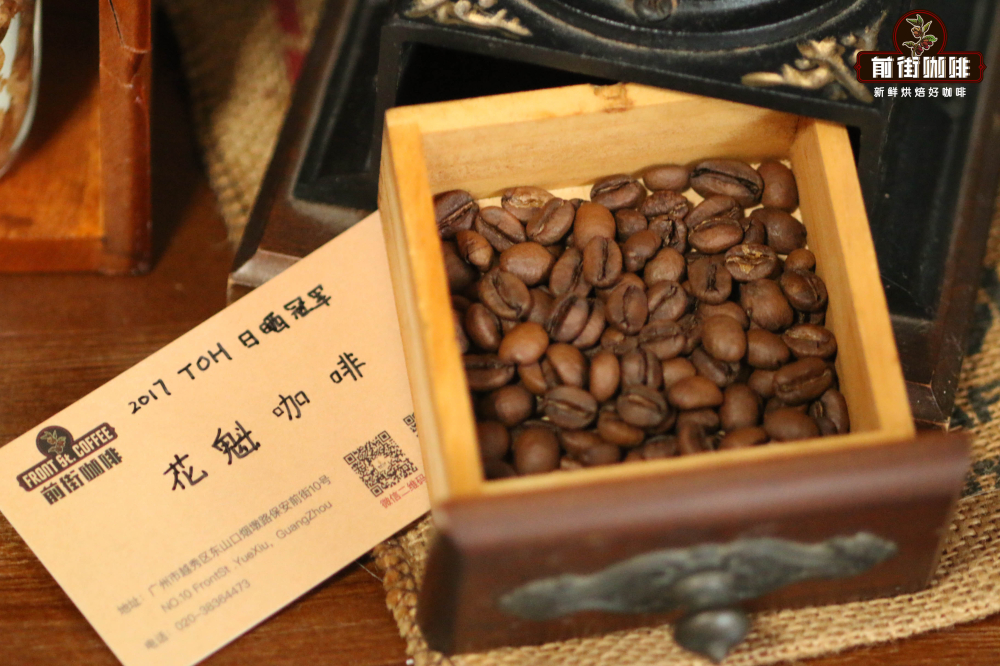
In recent years, Huakui coffee beans have gained significant recognition among coffee enthusiasts, particularly for their vibrant strawberry cream aroma and rich, juicy mouthfeel, making them a top choice for many pour-over beginners. These beans originate from Ethiopia’s Guji region and were first processed using the natural method by the local Buku Abel washing station. They won the championship at the TOH (the Taste Of Harvest) green bean competition, hence earning the name “Huakui.”
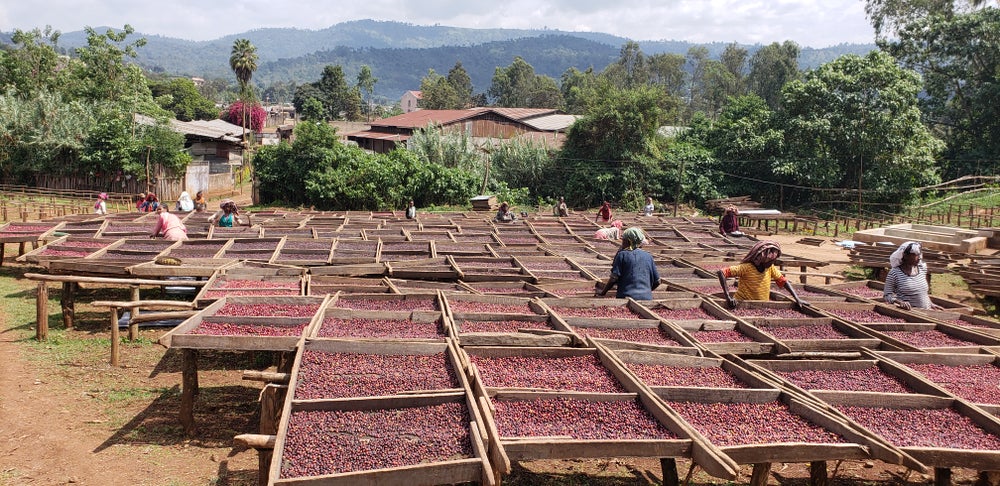
The Guji region was formerly part of Sidamo but was designated as an independent region by the Ethiopian Commodity Exchange (ECX) in 2010 due to its unique flavor profile and geographical conditions. Located southeast of Yirgacheffe, the area features complex terrain, including high mountains, deep valleys, and expansive plains. The soil is rich black Vertisol, up to two meters thick, and combined with an average altitude exceeding 1,800 meters and notable diurnal temperature variations, it creates an ideal environment for coffee cultivation.

The origin of the name “Huakui” dates back to 2017. That year, Ethiopia’s DW coffee company submitted a natural-process lot from the Buku Abel washing station to the TOH green bean competition hosted by the African Fine Coffees Association. This coffee, exuding strong strawberry and cream aromas, won the Ethiopian regional championship. Subsequently, this champion lot was introduced to the Chinese market and quickly gained immense popularity due to its outstanding performance in the World Brewers Cup. Notably, while most competitors still used Geisha, this Ethiopian native variety stood out, securing second place in the China division and further solidifying its status.
Following that, DW expanded its operations in the Hambella core region’s Dimtu area by building multiple washing stations, including Buku Abel, Buku Saysay, Haro Soresa, and Tirtiro Goye, with an annual production of approximately 1,100 tons. However, according to regional and washing station information, only the natural beans from the Buku Abel washing station in the Guji region qualify to be called “Huakui.”
Since its debut in 2017, the Huakui series has continued to release new versions, such as Huakui 2.0, 3.0, 4.0, up to 2022’s Huakui 6.0, and the latest Huakui 8.0. Each version is named “Huakui X.0” to distinguish between different vintages and flavor characteristics. As coffee is an agricultural product, climate differences across years lead to slight variations in flavor. For example, early Huakui 4.0 flavors were similar to the original, but with slightly less body; 2021’s Huakui 5.0 showcased richer citrus and berry notes; and by 2024’s Huakui 8.0, tropical fruit aromas became even more prominent.
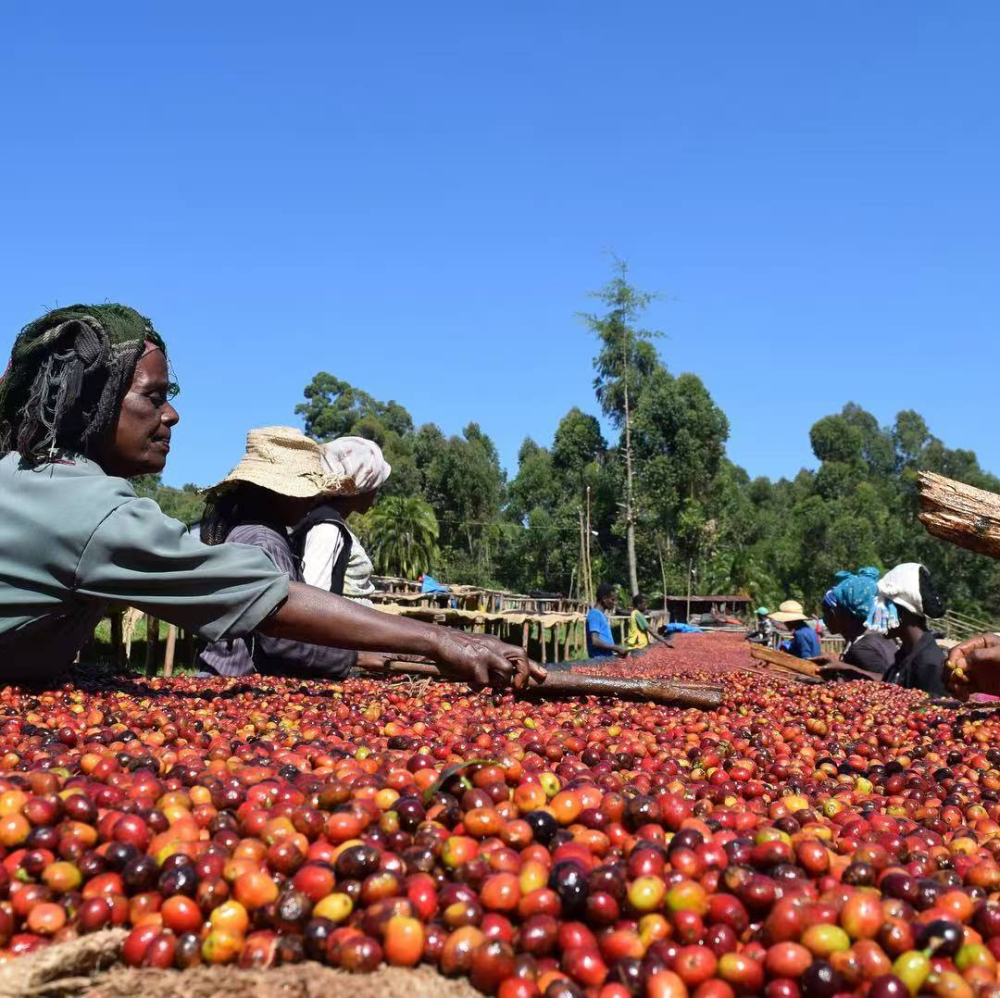
In terms of processing, Huakui employs a meticulous natural method. The main harvest season is from December to January, during which local farmers select only red cherries with a sugar content of 30 or above for sun-drying. The first two days maintain appropriate humidity to allow fruit sugar fermentation, while leveraging the high-altitude diurnal temperature variation (around 12°C at night) to control fermentation speed, preventing over-fermentation or sun damage. Shade is provided during midday heat, and thick plastic sheeting is used at night to prevent rain. The entire sun-drying process lasts about 18 days until the moisture content of the green beans drops to around 13%. It is then rested and naturally dried for about 50 more days, reducing moisture content further to 11%, before hulling and packaging.
Regarding roasting, to highlight Huakui’s floral-fruity notes and aromatic layers, many roasters opt for a medium-light roast. Taking a typical roast profile as an example, the charge temperature is around 175°C, with a turning point at 96.2°C. Initial heat is set to 120, with the airflow at 3, allowing the drum to stabilize in temperature. When the beans reach the yellowing point (around 6 minutes), heat is increased to 140, and first crack occurs at 9 minutes and 50 seconds. Beans are dropped about 1 minute and 40 seconds after first crack, at an exit temperature of around 196°C. This roast setting helps preserve the beans’ inherent fruitiness and acidity while balancing sweetness and aroma.
In terms of cupping flavors, different vintages of Huakui each have their own characteristics. For example, cupping records from a certain coffee shop show that Huakui G1 presents a smooth mouthfeel with layers of passionfruit, fermented wine aroma, jackfruit, and strawberry; Huakui 2.0 shows a cleaner profile, with clear berry aromas and nutty undertones; Huakui 3.0 leans toward strawberry jam and black tea notes, with a shorter sweet aftertaste; Huakui 3.1 displays floral, creamy, and tropical fruit notes with a long-lasting finish; Huakui 4.0 and 5.0 excel in citrus acidity and berry juice-like texture, with the latter also offering a creamy mouthfeel.
For brewing, it is recommended to use freshly roasted coffee beans (within 5 days of roasting is optimal), and allow the beans to degas for 4–7 days post-roast to reach peak flavor. Taking Huakui 8.0 as an example, it is recommended to use a HARIO V60 for pour-over: 15 grams of coffee, a 1:15 coffee-to-water ratio, 90°C water temperature, and a medium-fine grind (approximately 80% through a 20-mesh sieve in China). The brewing steps are as follows: start with a 30-second bloom using 30 grams of water, then pour 95 grams (total ~125 grams), and at around 1 minute, add the remaining 100 grams (total ~225 grams). Total brew time is about 2 minutes and 10 seconds, fully highlighting Huakui’s fruity aroma and rich mouthfeel.
For those who prefer cold brew, Huakui 8.0 is also recommended. Use 15 grams of coffee, a 1:11 coffee-to-water ratio (total 160 grams of hot water), with 75 grams of ice. Adjust the grind to a fine sugar-like level (e.g., EK43s at setting 9.5, or C40 around 22 clicks). Using a HARIO V60, brew in three stages: first, a 30-gram bloom, then after 30 seconds, pour 90 grams of hot water while stirring, wait for the coffee to drip, and finally pour 45 grams of hot water. Total brew time is about 1 minute 55 seconds to 2 minutes 5 seconds. This method highlights tropical fruit and stone fruit aromas, and when cooled with ice, delivers a refreshing and noticeably sweet taste, like a chilled grape juice.
The above content is compiled by CoffeeHunters, a coffee news website.


