







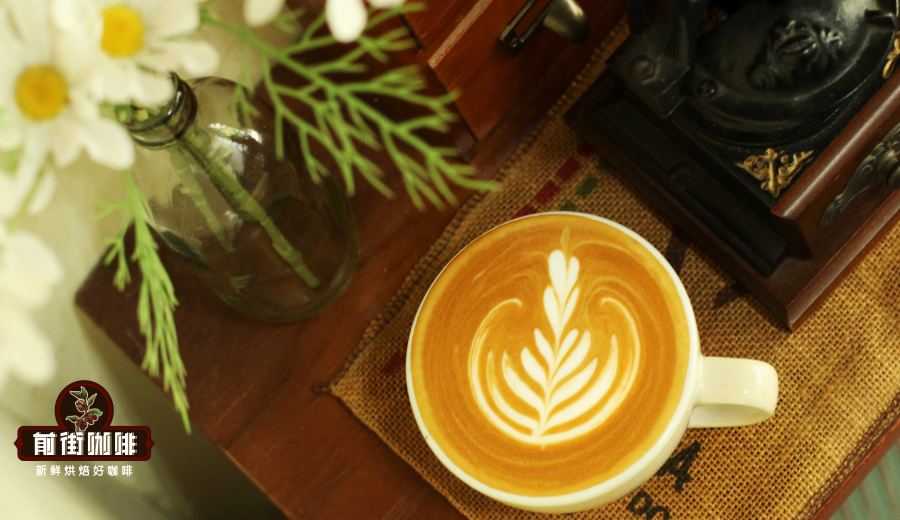
Introduction:Want to make an espresso at home with rich crema and perfect latte art like in a café? This article delves into the science behind espresso crema formation, teaching you how to enhance crema performance through roasting, grinding, and extraction techniques. It also recommends coffee bean types ideal for latte art along with practical parameters. Whether you're a beginner or an advanced home barista, you’ll master key skills to elevate your home espresso quality.
Latte is often the first step for many coffee lovers into the world of espresso-based drinks, and it’s also one of the most popular hot beverages in cafés worldwide. If you want to replicate a rich, creamy, and latte-art-friendly espresso latte at home, choosing the right coffee beans is the crucial first step. This article will detail the mechanism behind espresso crema formation, share practical tips to boost crema richness, and recommend several coffee bean varieties suitable for latte art—helping you improve from bean selection to extraction.
Many people wonder if lattes can only be made with specific coffee beans. In fact, the term "latte" comes from the Italian "caffè latte," which literally means "milk coffee." Broadly speaking, any black coffee with milk added can be called a latte. But in the professional coffee field, a latte typically refers to the classic combination of an espresso base with steamed milk. That’s why, if you want to recreate a café-like flavor at home, using "espresso beans" is a more suitable starting point.
Currently, coffee beans on the market can generally be divided into two main categories: hand brew beans designed for pour over or drip brewing, and espresso beans specifically crafted for high-pressure extraction methods like espresso machines or moka pots. The two differ significantly in roast profiles, flavor characteristics, and ideal usage scenarios. If you want your espresso to produce delicate latte art patterns with dense crema, it’s recommended to prioritize beans made specifically for espresso equipment.

Many beginners often directly use hand brew beans for espresso extraction at home, which often results in thin crema, unbalanced flavors, or even overly sour or flat-tasting shots. This is because hand brew beans are usually light roasted, emphasizing fruity acidity and complexity—but they don’t easily release intense crema and oils under high pressure. In contrast, espresso beans are typically medium to dark roasted or beyond, not only stabilizing crema and oil release but also pairing perfectly with milk to bring out sweetness and body.
When selecting espresso beans, blends are often a more beginner-friendly option. Blends combine beans from different regions, and through carefully adjusted roast levels, they can deliver balanced and rich flavors during extraction with a higher margin for error. Additionally, most blends are mainly supplied for café use, offering relatively better cost-effectiveness—making them very suitable for daily practice and home use.
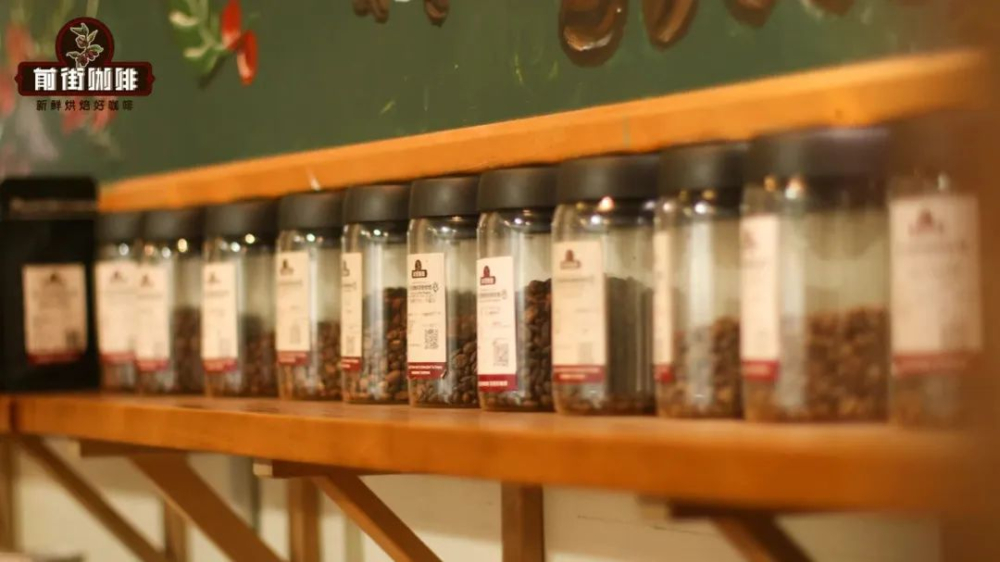
However, with the rise of single-origin coffee culture, more and more coffee enthusiasts are beginning to challenge making lattes with SOE (Single Origin Espresso), seeking more distinctive flavor profiles. SOEs typically use beans from specific origins with pronounced characteristics, such as bright fruity notes, floral aromas, or unique fermentation profiles. But these beans are often medium to light roasted—if processed directly with traditional espresso extraction parameters, they may result in under-extraction and thin body.
If you prefer SOEs, it’s recommended to choose beans roasted to medium or medium-dark levels, and adjust grind size and extraction time appropriately to improve extraction yield and crema performance. For example, you could slightly extend extraction time, raise brewing temperature, or adjust to a finer grind setting to allow more complete release of aromatic compounds and flavor substances. This way, even with light-roasted SOEs, you can still produce espresso with rich crema and layered flavors.
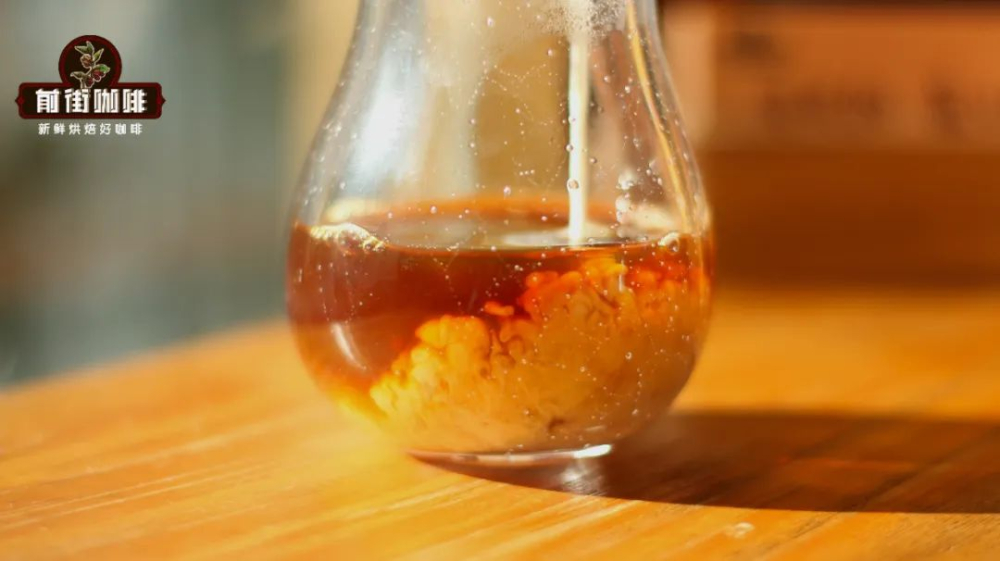
Crema (the espresso foam) is one of the key indicators of espresso quality—not only affecting visual appeal but also directly related to the taste and aroma release of the coffee. Crema is primarily formed by the emulsification and encapsulation of carbon dioxide and soluble oils from coffee grounds under high-pressure extraction. Therefore, roast level, grind fineness, brew ratio, and extraction pressure all affect the final texture and thickness of the crema.
To achieve rich crema, it’s recommended to use medium to dark roasted blends or SOEs, and ensure the coffee beans are fresh and the grind is consistent. Additionally, the tampering pressure and evenness are crucial—use a tamper to press vertically, keeping the puck surface flat, which helps stabilize water flow and enhances crema performance. If you notice the crema is sparse or appears dark and dull during extraction, it may be due to too coarse a grind, uneven tamping, or stale beans—recommend checking each step accordingly.

Below is a set of practical SOE (Hua Kui) espresso extraction parameters suitable for readers who want to challenge crema and latte art at home:
Coffee beans: Ethiopia · Hua Kui 8.0
Coffee dose: 20 grams
Yield: 40 grams
Brew ratio: 1:2
Extraction time: 26–32 seconds
Grind setting: Recommended Galileo grinder setting 2.0 (can be fine-tuned as needed)
In actual operation, first set the grinder to the recommended setting, grind 20 grams of coffee, distribute the grounds evenly with a WDT tool or distributor, then tamp firmly. Before extraction, run 1–2 seconds of water to pre-wet the group head, then attach the portafilter and start timing. Observe the extraction—if you reach 40 grams in 26–32 seconds, stop the shot. Note that environmental humidity and bean freshness may affect flow rate, so adjust grind and dose flexibly based on real conditions.
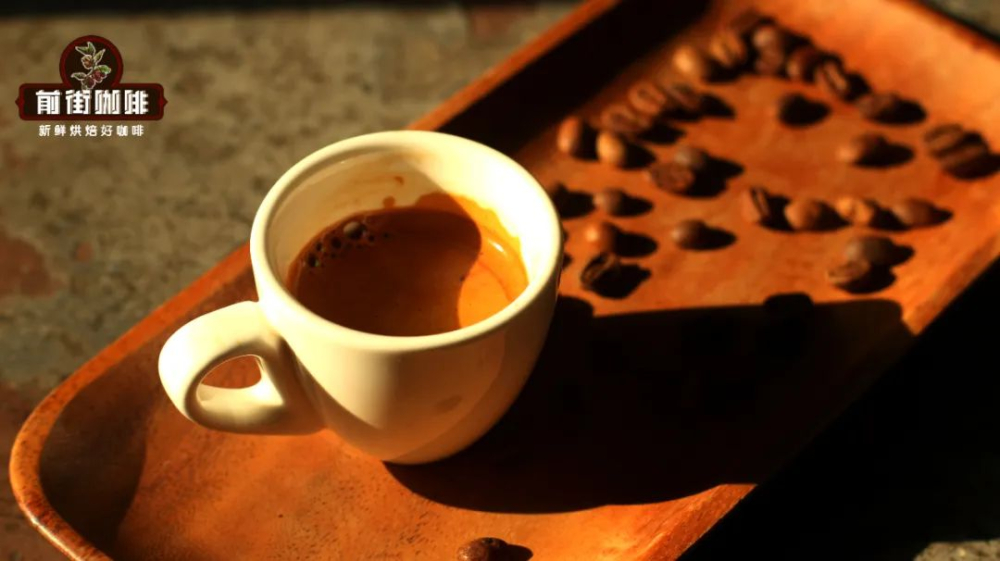
The finished SOE espresso can be enjoyed straight—rinsing your palate with water beforehand helps you better appreciate its intense fruity notes and rich crema. If you’re not used to the intensity of straight espresso, you can also adjust ratios to your liking: add cold or hot water for a 1:4 Americano, or mix with fresh milk for a 1:6 latte to explore different flavor layers. Through continuous experimentation and adjustments, you can also recreate a professional-level espresso experience at home.
The above content is compiled by CoffeeHunters, a coffee news website.


