







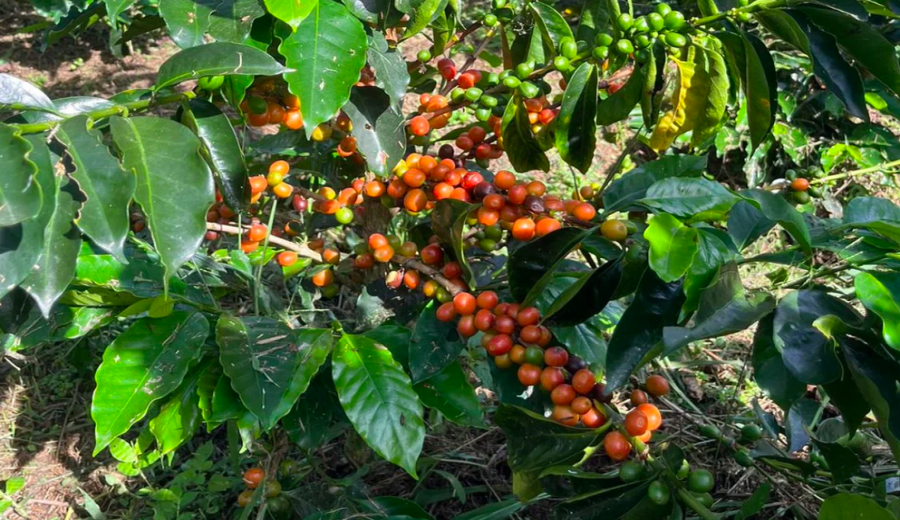
Introduction:Colombia is the world’s second-largest coffee-producing country, renowned for its washed Arabica beans. With numerous producing regions and diverse flavor profiles, this article delves into Colombia’s major specialty coffee regions—including Huila, Cauca, Nariño, and Tolima—analyzing how altitude, soil, and microclimates shape their unique characteristics. It also offers practical pour-over brewing tips and extraction parameters to help you fully appreciate the charm of Colombian coffee from region to cup.
Colombia is the world’s second-largest coffee producer. Though its total output is less than Brazil’s, it is famous for cultivating high-quality washed Arabica across nearly its entire territory. Its coffee is known for being gently sweet and well-balanced, with delicate cocoa and fruity notes. This is all thanks to its low-latitude, high-altitude geography, fertile volcanic soils, and abundant, consistent rainfall. Colombia’s specialty coffee mainly comes from the southern highlands, including well-known regions such as Huila, Cauca, Nariño, and Tolima. Each area, with its unique microclimate and soil conditions, produces coffee beans with distinct flavor profiles.
Overview of Geography and Climate in Colombia’s Coffee Regions
Located in the northwest of South America, Colombia spans between 3°N and 8°N latitude and features a tropical climate. However, its complex terrain leads to vastly different weather conditions across the country. With numerous volcanoes and fertile soils, annual rainfall averages around 2,000 to 3,000 mm, and temperatures are mild. The humid air results in multiple harvest seasons throughout the year. The country can generally be divided into three major climate zones: the eastern plains and Pacific coast have a tropical rainforest climate, the central mountainous region at 1,000 to 2,000 meters altitude has a subtropical climate, and the northwest features a tropical savanna climate. Typically, coffee-growing regions have an average annual temperature between 15.8°C and 20.5°C, while the altitude and temperature usually remain between 18°C and 22.5°C—an ideal environment for growing Arabica coffee.
Distribution and Characteristics of Specialty Coffee Regions in Colombia
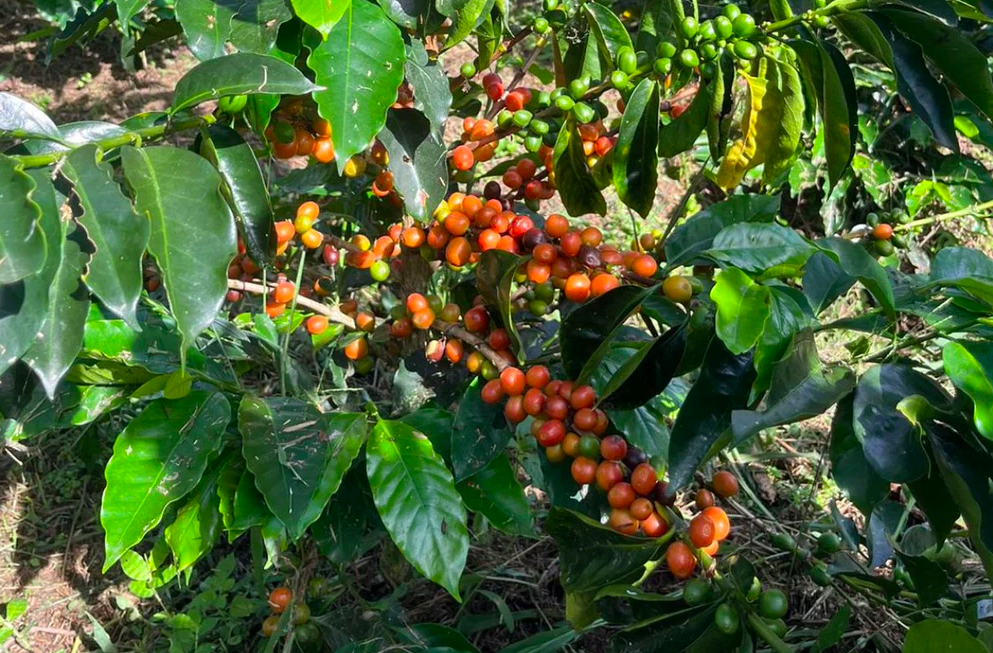
Colombia has over two hundred coffee-growing regions and grading systems, but the most notable specialty regions are concentrated in the southern high-altitude areas, generally above 1,500 meters in elevation. These include Huila, Cauca, Nariño, and Tolima. These regions not only benefit from superior climatic conditions and mineral-rich soils, but also from smallholder farming practices that allow each batch of coffee to express subtle regional flavors.
Huila Region: Representative of Delicate Fruit Acidity and Caramel Finish
Huila Province is located in the southern part of Colombia’s Central Mountain Range and is one of the country’s most renowned specialty coffee regions. The area is surrounded by mountains, including an active volcano that erupted in 2008—the volcanic ash is rich in various minerals, adding abundant nutrients to the soil. Coffee in Huila is grown at altitudes exceeding 1,500 meters, with several important rivers converging within the region, providing a stable water supply and high humidity. Unlike the traditionally balanced and full-bodied Colombian coffee, many micro-lots in Huila exhibit highly distinctive flavors such as delicate fruit acidity, nutty tones, and prominent caramel and chocolate aftertastes. Recently, the region has gradually moved away from traditional grading by bean size and instead focuses on micro-regions or smallholder micro-lots. Through cupping, the highest quality coffees are selected to ensure that each batch reflects the unique terroir of the area.

A certain coffee brand’s ‘Colombia Huila Coffee’ comes from this region. It is classically washed processed, suitable for everyday drinking or as a base for premium blends. Another coffee, ‘Floral Moon Night,’ originates from the El Edén Estate in Acevedo, Huila Province. It is made from the Caturra variety and personally cultivated and managed by the estate owner, Ramirez. It showcases intense berry and jam-like flavors, representing the pinnacle of the region’s taste profile.
Cauca Region: Bright Acidity and High Sweetness from High-Altitude Temperature Variation
Cauca Province is not only the certified origin of Colombian coffee, but also has an average altitude of 1,758 meters, reaching over 2,100 meters at its highest—making it a classic high-altitude specialty coffee region. The area’s rugged terrain is part of the Andes Mountains, and its annual rainfall shows a clear single-peak distribution, with the dry season concentrated in August and September, followed by the rainy season that triggers intensive coffee flowering and harvesting periods. The most distinctive feature of Cauca is its significant day-to-night temperature variation, with daytime averages around 18°C and nighttime lows dropping to about 11°C. Coupled with the high-altitude environment, this slows down the ripening of coffee cherries, allowing the seeds to accumulate nutrients more fully, thereby developing layered bright acidity and astonishing sweetness.
Nariño Region: High-Altitude Small-Lot Specialty Beans from the Cloud Forest Belt
Nariño Province is located in southwestern Colombia, bordering the Pacific Ocean to the west and Ecuador to the south. The Andes Mountains run through the entire region, with coffee cultivation concentrated in the cloud forest belt at altitudes of 1,600 to 2,300 meters. The area has fertile volcanic soils, and although the coffee beans produced are relatively small in size, they are plump and vividly green. Most of Nariño’s coffee is grown by local smallholders. Due to limited production (about 150,000 bags annually, with only around 6,000 bags being specialty-grade), most of the high-quality beans are purchased by large American traders. It is a high-altitude specialty region with great potential.
Tolima Region: Cooperative Model and Balanced Flavors Among the Mountains
Tolima Province geographically neighbors Huila and Cauca. Its terrain is dominated by the north-south-oriented Andes and Cordillera Mountains, with the Magdalena River running through the middle. The region’s name originates from the Pijao indigenous word meaning “covered in snow,” reflecting its high-altitude nature. Farms in Tolima are generally slightly larger, ranging from 10 to 15 hectares, and mostly operate under a cooperative model. Farmers deliver fresh cherries to shared processing facilities, though some process them independently using small-scale equipment to complete same-day processing, ensuring freshness and consistency in processing.
Other Important Traditional Regions
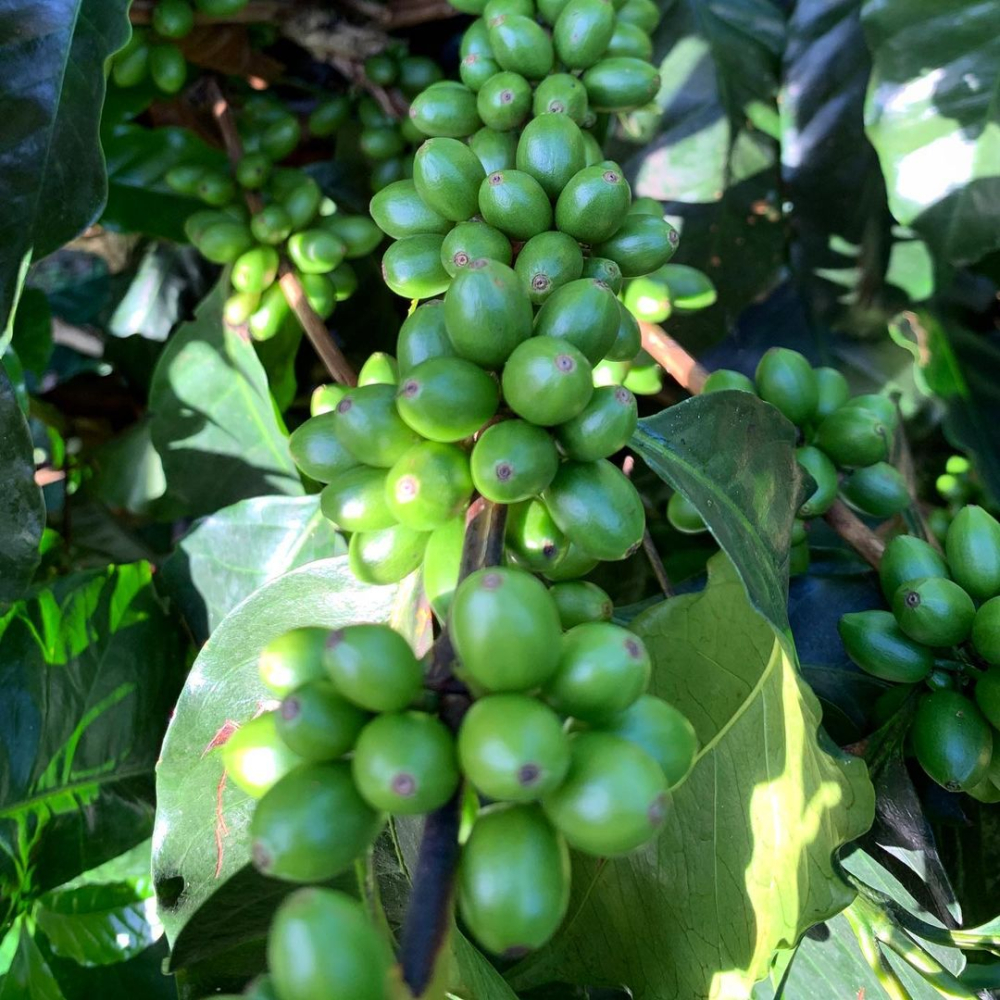
In addition to the above specialty regions, northern areas of Colombia such as Medellín and Santander also have long-standing cultivation histories and stable production capacities. Medellín coffee is known for its moderate acidity and rich sweetness, with FNC-exported beans offering even more consistent quality. Santander Province, meanwhile, is one of the earliest coffee-growing regions in Colombia. Though it accounts for only about 5% of national production, its coffee is known for its bold flavors, herbal undertones, and long aftertaste. For example, ‘Rose Valley Coffee’ exhibits rose floral notes, peach, and creamy textures—a classic representation of the region’s flavor profile.
Characteristics of Coffee Varieties and Processing Methods in Colombia
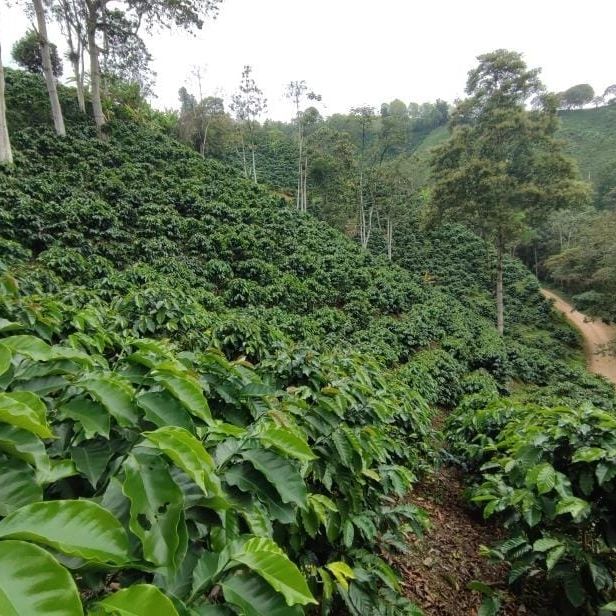
Colombia is the world’s largest producer of washed Arabica and the third-largest coffee producer overall. Nearly all its coffee consists of high-end Arabica varieties. Common cultivars include Caturra, Bourbon, Typica, Pacamara, as well as disease-resistant varieties developed in Colombia such as Castillo, Tabi, and Colombia. There are also small plantings of rare varieties like Gesha, Mocha, and Rume Sudan.
In terms of processing methods, due to its abundant water resources, most Colombian coffee is washed processed. Many smallholders even have their own small processing equipment (such as Ecomill or Eco-Pulper), allowing precise control over mucilage removal and fermentation processes to ensure stable quality. Although some farms have recently experimented with special methods like natural and honey processing to bring out unique berry or floral notes, washed processing remains the best way to highlight the clean and balanced character inherent in Colombian coffee.

Pour-Over Brewing Recommendations and Extraction Parameters
Colombian coffee is well-suited for pour-over brewing using medium-light roasted washed beans. A recommended powder-to-water ratio is 1:15, using a medium-fine grind (approximately like coarse sugar, or 80% passing through a #20 sieve). Water temperature should be controlled around 91°C. Using a V60 dripper as an example, a staged extraction method can be employed: first, perform a 30-second bloom with twice the amount of water (e.g., 60g water for 30g coffee) to release CO₂; then pour in small streams up to 125g, followed by pouring up to 225g before stopping. The total extraction time is about 2 minutes. These parameters highlight the layered structure and clear flavor profile of Colombian coffee.
Practical tests of ‘Floral Moon Night’ and ‘Rose Valley’ coffees respectively showcase intense berry jam aromas and floral-fruity notes like rose and peach—ideal for coffee lovers who enjoy fruity and sweet profiles. If you prefer a richer, more balanced flavor, Huila coffee serves excellently as a daily drinker or blend base.
Coffee Bean Storage and Freshness Recommendations
The freshness of coffee beans greatly impacts flavor. It is recommended to choose beans shipped within 5 days of roasting and to consume them within 4 to 7 days of receipt for optimal flavor. If grinding is needed, grind just before brewing, as ground coffee oxidizes quickly and loses flavor rapidly. Keeping both whole beans and grounds sealed and protected from light is key to maintaining freshness.

The above content is compiled by CoffeeHunters, a coffee news website.


