








Introduction:Geisha coffee is hailed as the top variety in the specialty coffee world, yet under the same name, the flavors and prices of beans from Panama and Colombia can differ drastically. This article starts with the Ethiopian origins of Geisha, delves into how it made its way to Central and South America, and focuses on the differences in terroir and washed processing between the two major regions. It also provides tested pour over parameters and flavor profiles to help you better appreciate these two classic Geishas.
Geisha (Gesha) coffee has become a focal point for specialty coffee enthusiasts in recent years, but many have this question: why is there such a huge gap in price and flavor between the Panamanian and Colombian regions, even though they share the same variety? In fact, although they belong to the same variety, differences in regional terroir, altitude, and processing methods result in distinctly different taste experiences.
The legend of Geisha coffee began in the Kafa forest in southern Ethiopia. In the 1930s, British colonial botanists, in search of leaf rust-resistant varieties, ventured into the area to collect wild coffee samples. At that time, these samples were not given individual names but were simply labeled as coffee trees collected from the “Geisha Mountain” in the Kafa forest. Subsequently, between 1931 and 1932, these seeds were sent to Kenya, and in 1936, they were introduced to Uganda and Tanzania. By 1953, the Tropical Agricultural Research and Higher Education Center (CATIE) in Costa Rica obtained further experimental varieties from Tanzania, registering them under the code T2722.
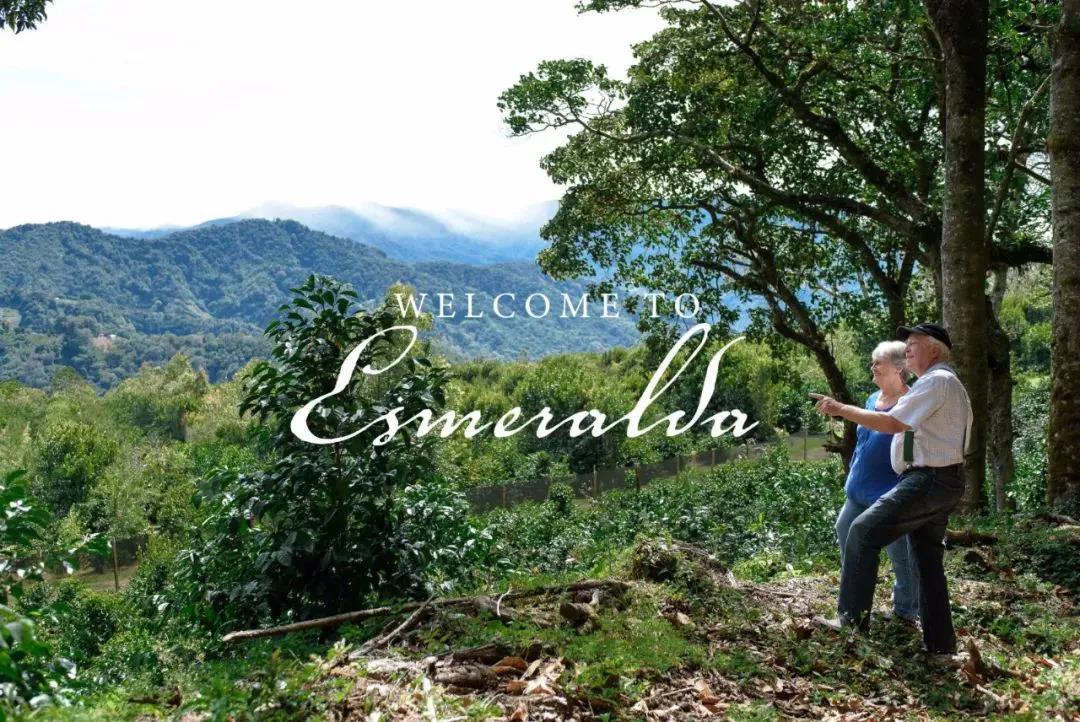
Fast forward to the 1960s, when Panama’s Don Pachi Estate introduced the T2722 variety from Costa Rica to enhance the disease resistance of their coffee trees and shared it with other farms. However, most farms found that this variety had relatively low yields and often mixed it with other beans for sale. It wasn’t until the son of the owner of Hacienda La Esmeralda noticed the unique aroma of this variety and decided to process it separately and enter it in a competition that the coffee finally won the Best of Panama (BOP) green bean competition championship in 2004, gaining widespread fame. To give it a more representative name, the farm traced its origins and confirmed that the variety came from the Ethiopian Geisha Mountain samples, thus officially naming it “Geisha.”
It’s worth mentioning,Hacienda La Esmeralda emphasizes that only Geisha grown at altitudes above 1600 meters can fully showcase its layered floral, fruity, and tea-like aromas.While plants grown around 1500 meters may retain some aroma, their overall flavor tends to be more subdued. Since most coffee-growing regions in Panama benefit from high altitudes, Geisha cultivation gradually became widespread, and neighboring Colombia followed suit due to its similar geography.
Well-known farms in Colombia such as Finca El Esperanza, Finca La Blanca, and Finca San Pedro have all attempted to grow Geisha in high-altitude areas (generally above 1625 meters), carefully selecting microclimates with misty environments, fertile soil, and suitable climates. Nevertheless, even so, Geisha from the Colombian region is generally considered to have less complex flavor layers compared to Panama, often exhibiting a more pronounced caramel note, with slightly less delicate acidity and floral notes.
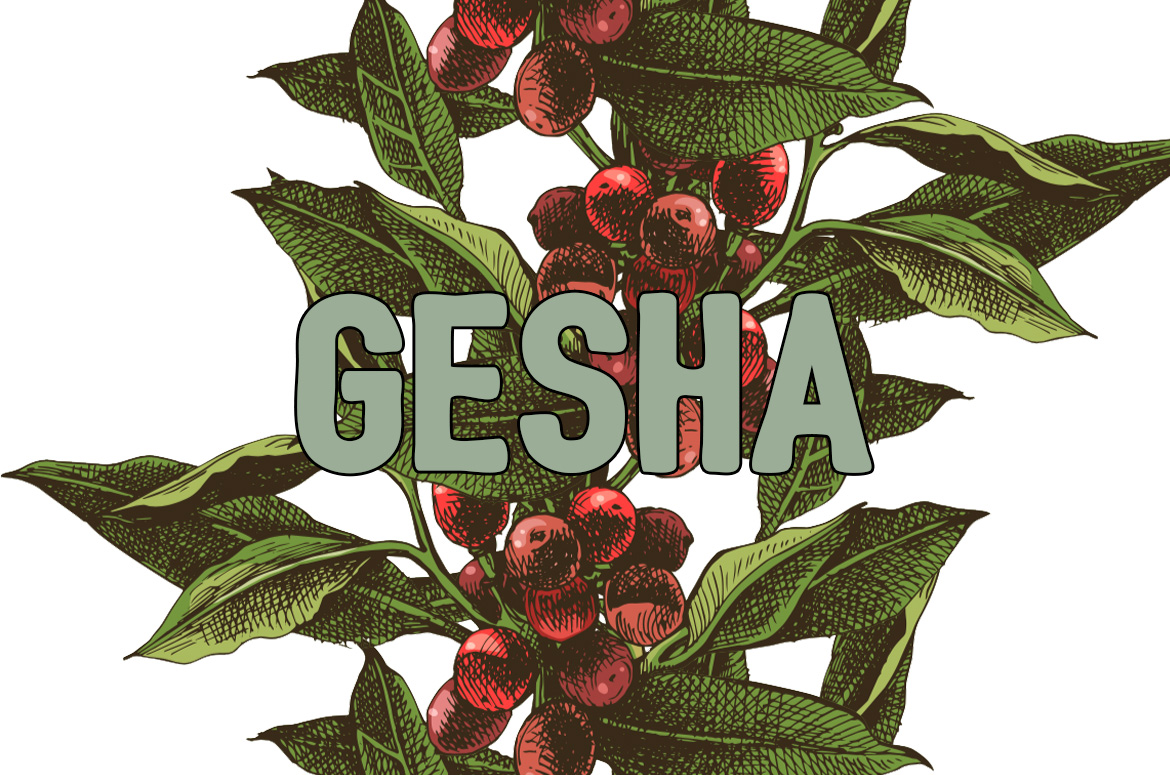
Practical cupping tests show that Geisha from the Panamanian region typically displays a distinct tea-like body base, accompanied by clear floral and fruity aromas such as jasmine, ginger flower, and berries; whereas Geisha from the Colombian region leans more toward berry acidity and caramel finish, with an overall more straightforward profile but slightly less finesse. This difference reflects the profound influence of regional terroir on coffee flavor—even with the same variety, geographic conditions can endow coffee with a unique personality.
To make a more direct comparison, we selected washed Geisha from Panama’s Hacienda La Esmeralda (altitude 1600–1800 meters) and Colombia’s Finca El Esperanza (altitude 1700–1800 meters) for pour over testing. Since Geisha grows at high altitudes, the beans are harder and denser, making them prone to sinking and clogging the filter during brewing.The recommended grind size is 78% passing through a Chinese standard No. 20 sieve (approximately the coarseness of fine sugar).This helps balance extraction efficiency and mouthfeel smoothness.
The brewing parameters are set as follows: 15 grams of coffee grounds, a 1:16 coffee-to-water ratio (approximately 240 ml total water), a water temperature of 91°C, aiming for a concentration of 1.15%–1.25%. A three-stage pouring method is used: first, pour 30 grams of water for a 30-second bloom, then pour in small circles to reach 125 grams, wait for the coffee bed level to drop by half, then continue pouring to 225 grams, with the total extraction time controlled between 2 minutes 10 seconds and 2 minutes 20 seconds.
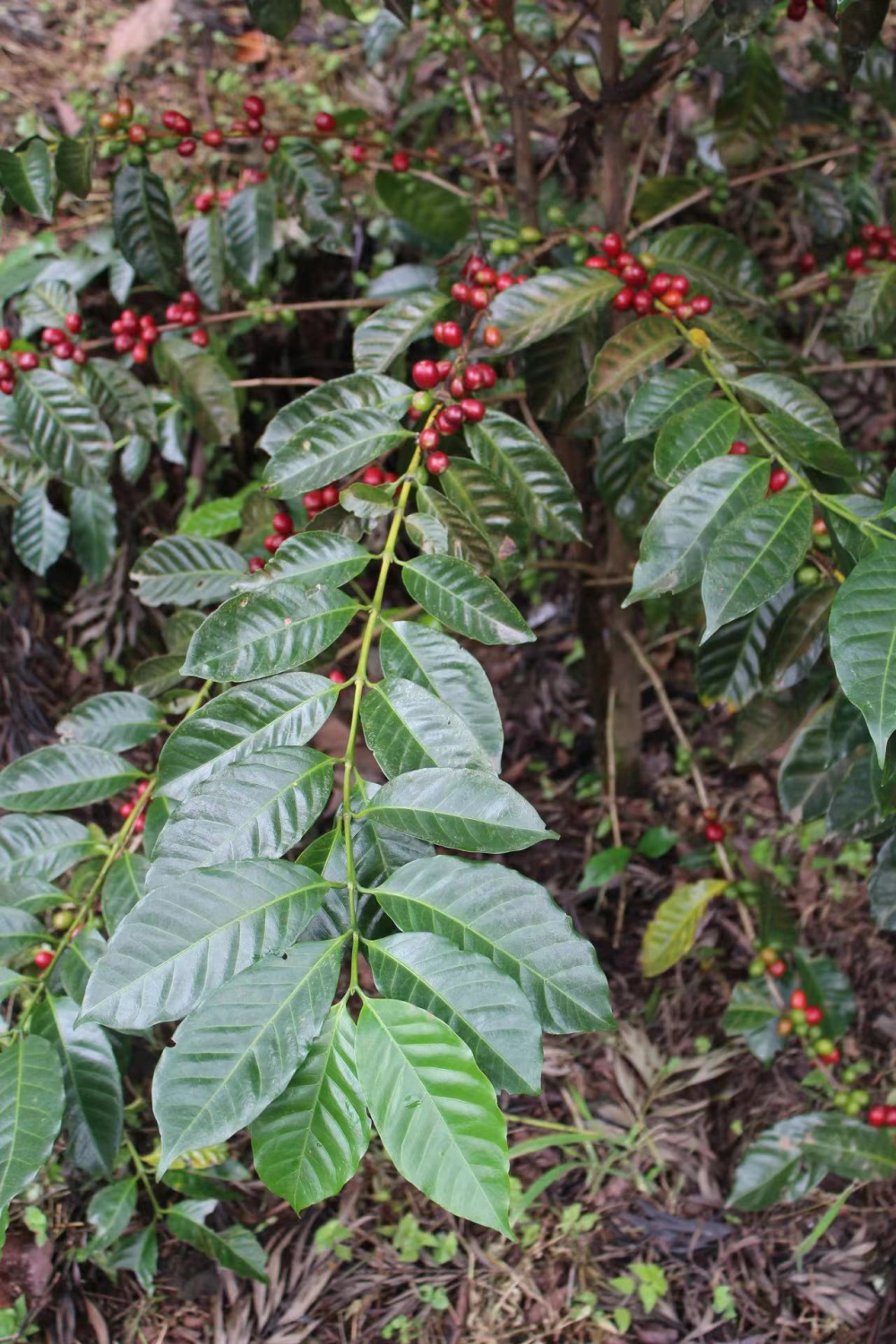
In the final flavor profile, the washed Green Label Geisha from Hacienda La Esmeralda presentsa complex aroma of ginger flower, jasmine, berries, sweet orange, honey, and Tieguanyin,with distinct layers and a long-lasting aftertaste; while the washed Geisha from Finca El Esperanza featuresa primary profile of lime, jasmine, brown sugar, and oolong tea,with bright acidity but a slightly caramel-sweet finish. Though both are Geisha, they showcase vastly different flavor maps due to the microclimates and processing details of their respective regions.
Whether you’re pursuing the delicate layers of floral and fruity tea notes or prefer the direct expression of berry acidity, understanding the differences between these two major regional Geishas will help you select and brew more precisely, experiencing the diverse charm of Geisha coffee.
The above content is compiled by CoffeeHunters, a coffee news website.


