







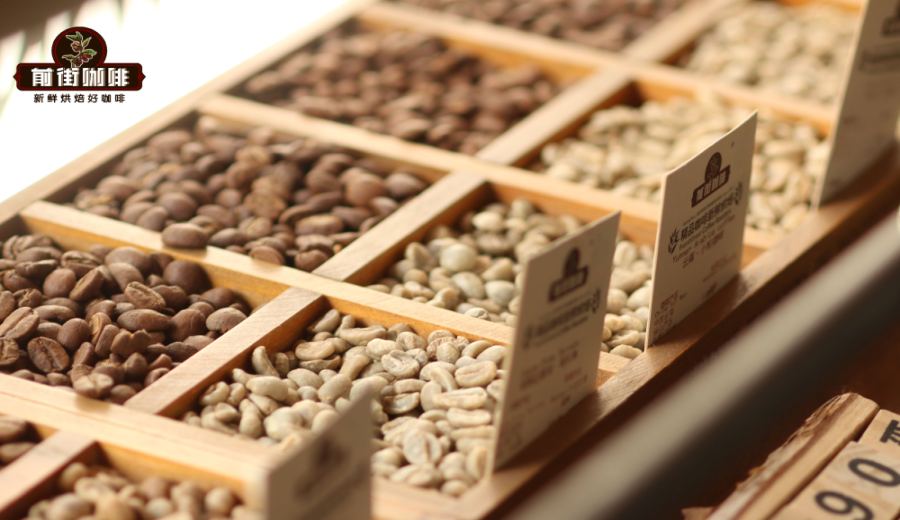
Introduction:Indonesian Sumatra Mandheling coffee, with its low acidity, full body, and unique herbal and spicy notes, has become a classic choice for many coffee enthusiasts. This article will delve into its growing environment, the traditional wet-hulling processing method, and analyze the flavor characteristics under medium to dark roasting, along with practical pour-over brewing parameters. It aims to help you better understand this profound coffee from Southeast Asia and master the key points of brewing it at home.
For coffee lovers who prefer bold, low-acidity flavors, Mandheling coffee from Sumatra, Indonesia, has always been a classic choice not to be missed. With its rich and robust taste, low acidity, and distinctive herbal and spicy aromas, this coffee holds a notable place in the international coffee market. Many seasoned coffee aficionados were drawn to Mandheling’s unique flavors long before they even knew about Blue Mountain. The commonly available Lintong Mandheling and PWN Golden Mandheling are often medium to dark roasted, offering both the sweetness of dark chocolate and caramel, as well as the wild herbal layers of the original profile, showcasing the deep allure of Sumatran coffee.
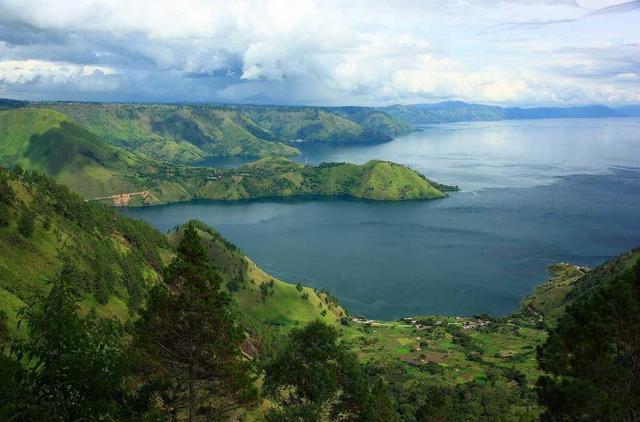
Sumatra is one of the largest islands in Indonesia, characterized by a typical tropical rainforest climate with year-round rainfall and persistent cloud cover. This environment provides the shaded and humid conditions ideal for coffee tree growth. However, the region’s mountainous terrain and variable weather also pose challenges to coffee harvesting and processing. Although the island spans multiple provinces, the areas where Arabica coffee is grown on a large scale are mainly concentrated in the higher-altitude regions of Aceh and North Sumatra, particularly around Lake Tawar and Lake Toba. Among these, the Gayo highlands stand out not only for their favorable elevation but also because most farms maintain organic farming traditions, resulting in coffee with superior quality and more pronounced flavor expression.
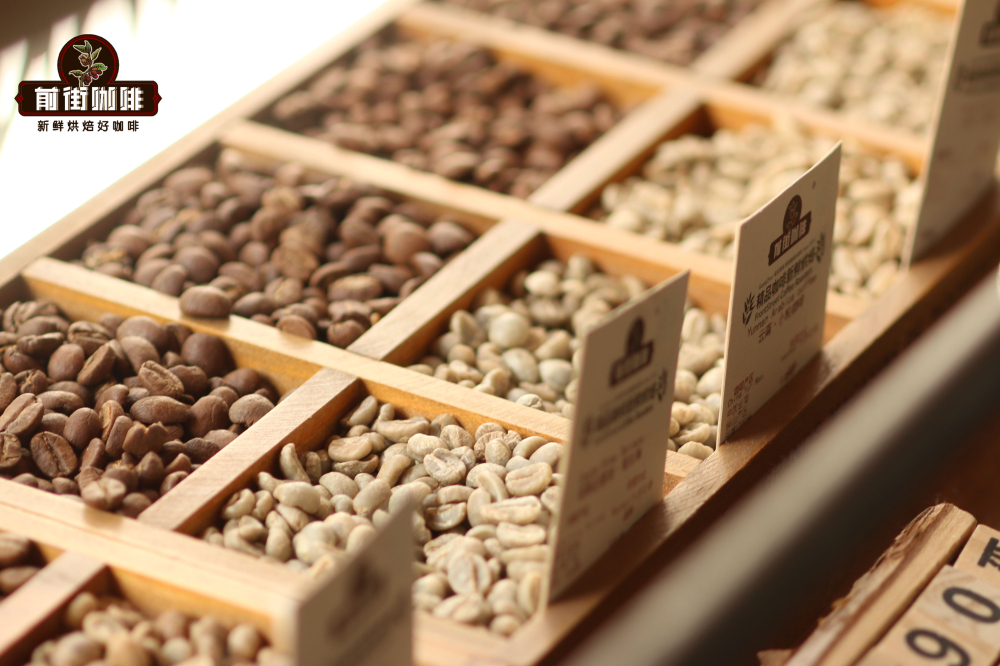
When talking about Mandheling, one cannot overlook the region’s unique “wet-hulling” process (Giling Basah). Due to Sumatra’s proximity to the equator, the area experiences high temperatures and humidity year-round, along with frequent typhoon attacks, making traditional washed or sun-dried processing methods difficult to execute stably. To prevent green coffee beans from molding during prolonged drying, farmers developed this rapid processing method: first removing the coffee cherry’s skin and pulp, then after a short fermentation, the parchment-covered beans (still containing some moisture) are hulled—that is, the outer mucilage and parchment layers are removed before the beans are fully dry—and then dried further to reach a target moisture content of about 12%. Because the beans remain in a high-humidity environment for extended periods during processing, and after the protective layers are removed they more easily absorb impurities and odors from the air, the final coffee often exhibits deep woody tones, herbal aromas, and subtle spicy layers. This is also a key reason why Mandheling’s flavor profile is so unique.
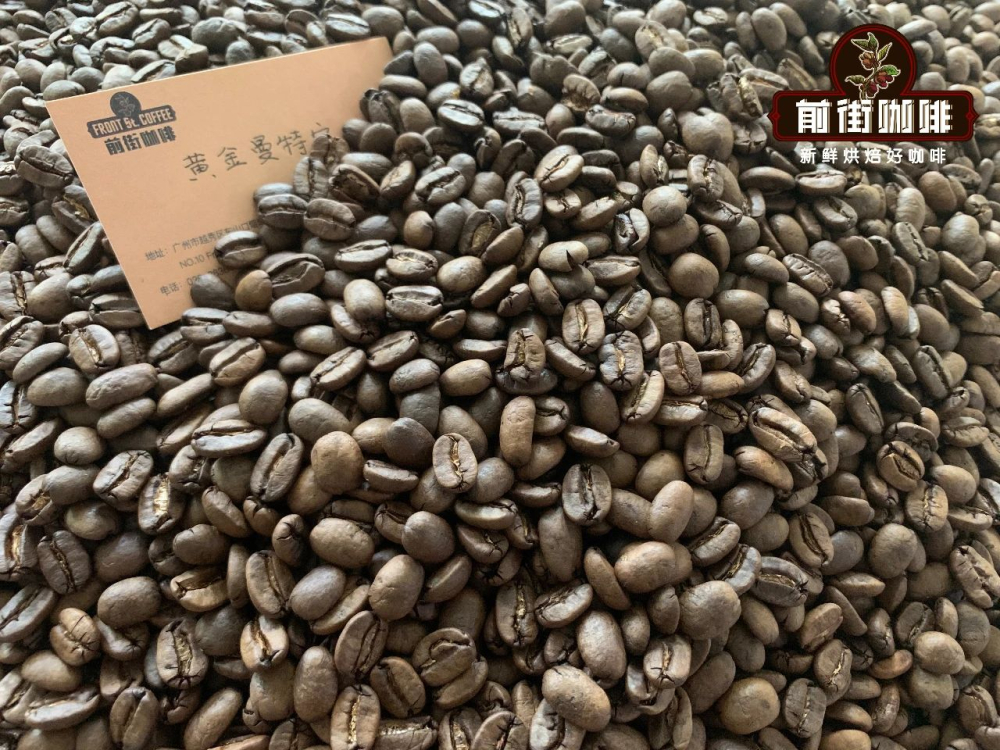
The commonly available Lintong Mandheling on the market is a classic product processed using this traditional method. After medium to dark roasting, its acidity is significantly reduced, replaced by a rich, full-bodied mouthfeel and intense flavors of dark chocolate, caramel, and spices. Golden Mandheling, on the other hand, is an even more refined specialty-grade coffee, produced through strict selection by a well-known local coffee company. This company manually and mechanically sorts the green beans multiple times to ensure each bean meets high standards before processing them via wet-hulling. Notably, this company has registered the English trademark for “Golden Mandheling,” so only beans produced by them can be considered authentic. The ones sold are genuine beans directly supplied by this company.
If you’d like to brew Mandheling at home, here are practical pour-over recommendations tailored for medium to dark roasts. Since Mandheling is medium to dark roasted, it contains more internal gases. It is recommended to let the beans rest for 7–10 days after roasting, allowing the degassing period to finish and the coffee to enter its optimal drinking window before brewing. If you’ve received freshly roasted beans, remember to let them rest for a few days before use. In terms of grinding and extraction, because medium to dark roast beans have a looser structure and faster water absorption, improper parameters can easily lead to over-extraction and bitterness. Therefore, it is advised to use slightly lower water temperature and a coarser grind size to control extraction rate, preserving aroma while avoiding excessive release of bitter compounds.
It is recommended to use a KONO filter cone, with water temperature controlled at 87°C, a coffee dosage of about 15 grams, and a coffee-to-water ratio of 1:15. The grind size can be referenced as passing about 70% through a Chinese standard No. 20 sieve. For specific brewing steps, you can use a three-stage pouring method: first pour 30 grams of hot water for a 30-second bloom, then slowly circle from the center outwards to reach 125 grams. When the water level is about to expose the coffee bed, continue circling to reach 225 grams. The total extraction time is approximately 2 minutes. After brewing, remember to gently swirl the coffee liquid before tasting.
In actual tasting, Lintong Mandheling typically presents an aroma profile of nuts, chocolate, and caramel, with a round and full mouthfeel accompanied by distinct herbal and woody notes. Its flavor layers are rich and tangible. PWN Golden Mandheling, on the other hand, is even more delicate, with intense dark chocolate aroma blended with roasted hazelnut, caramel, and a hint of sweet melon. The spice notes are clear, and while the overall mouthfeel is full-bodied, it maintains clarity, with a long-lasting and memorable aftertaste. These two beans represent the classic and premium profiles of Mandheling, making them excellent choices for everyday drinking or as reference points for deeper tasting exploration.
The above content is compiled by CoffeeHunters, a coffee news website.


