







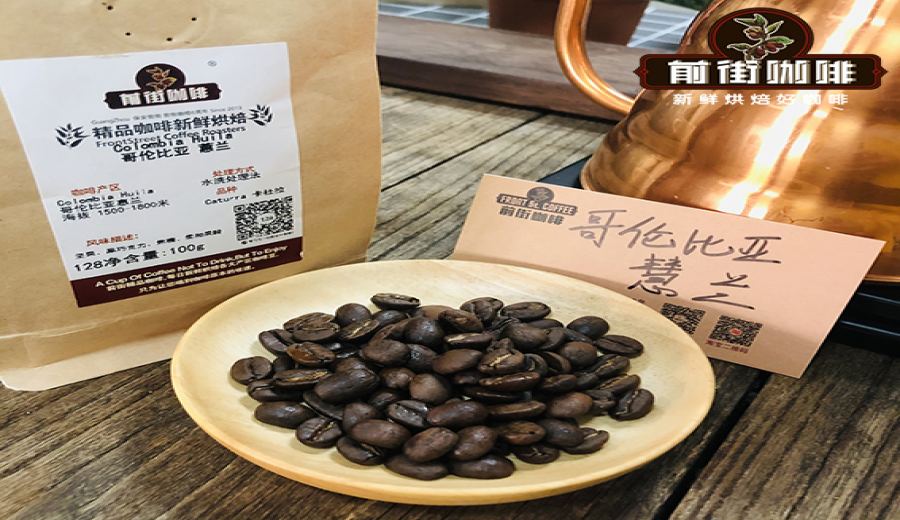
Introduction:The Huila region of Colombia, blessed with an ideal elevation and volcanic soil, produces washed coffees with a smooth mouthfeel and well-balanced flavors. This article delves into the geographical conditions, processing methods, and variety characteristics of the Huila region, and provides practical medium-dark roast pour over parameters to help you start a refined journey into specialty coffee through a cup of Huila coffee.
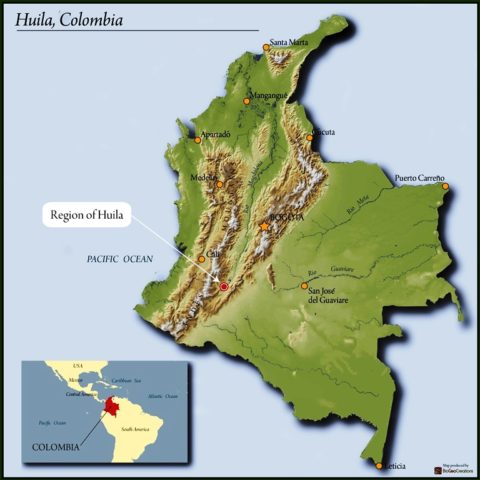
Located in southern Colombia, the Huila region is embraced by continuous mountain ranges. The high altitude terrain, significant diurnal temperature variation, and mineral-rich volcanic ash soil together create the clean, balanced, and layered characteristics of the coffee beans from this area. In particular, Huila coffee produced via the washed process exhibits gentle acidity, rich nutty and chocolatey notes, making it an ideal choice for many coffee beginners trying pour over.
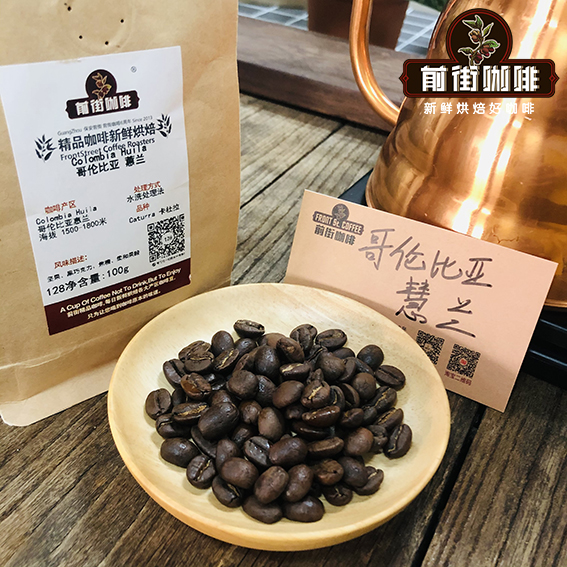
Compared to the bright citrus acidity of Yirgacheffe or the heavy herbal and earthy flavors of Sumatra Mandheling, the flavors of Huila washed beans are more mild and approachable, suitable for coffee enthusiasts who are just getting into pour over. Its common flavor profiles include smooth nuttiness, rich caramel sweetness, and a deep dark chocolate-like finish. It has a silky mouthfeel and a clean aftertaste, leaving a lasting impression easily.
Huila is located in the inland southern part of Colombia, featuring mostly hilly terrain. Its climate, influenced by the surrounding high mountains, has distinct dry and rainy seasons. The dry season runs from June to September each year, during which coffee trees enter their flowering period; while the rainy season begins in October, with abundant rainfall helping fruit swelling and nutrient accumulation. The main coffee harvest season falls between April and June each year, when berries are ripe and plump, laying a solid foundation for subsequent washed processing.
The elevation in this region generally exceeds 1,500 meters, and some premium farms are even planted at altitudes above 1,800 meters. The high-altitude environment not only slows down the ripening process of coffee cherries but also promotes the accumulation of flavor compounds within the beans. Coupled with the unique volcanic soil of the area, Huila coffee often boasts prominent fruity notes, bright acidity, and enchanting aromatic aftertastes.
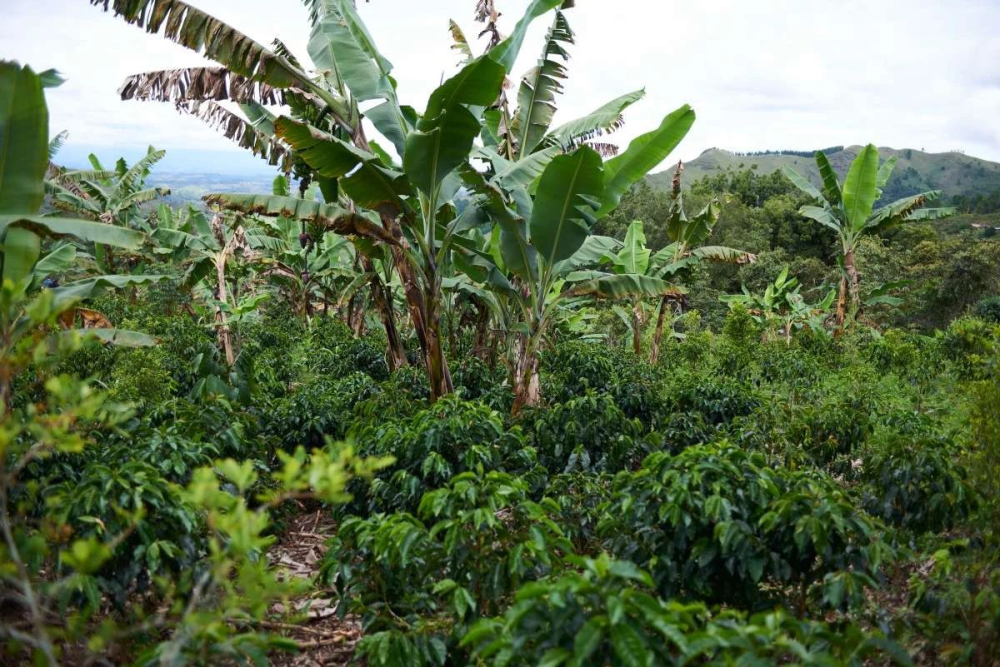
The coffee varieties grown in the Huila region are diverse. In addition to common ones such as Caturra, Bourbon, and Typica, they also include disease-resistant varieties independently cultivated by Colombia’s agricultural research institutions, such as Castillo and Tabi. Moreover, some advanced farms have also begun experimenting with internationally renowned high-quality varieties like Geisha, adding more variety and depth to the flavor profile of the region’s coffee.
In the harvesting of coffee cherries, local farmers mostly adopt a fully manual approach, selecting only fully ripe red cherries to ensure that each coffee bean has the best possible flavor potential. The harvested cherries are then subjected to washed processing, where water is used to remove the outer skin and pulp, followed by controlled fermentation to appropriately break down residual mucilage while preserving the beans’ inherent delicate acidity and sweet characteristics.
The fermentation tanks used in the washed processing of Huila coffee mostly rely on natural mountain spring water as the source. This type of water, compared to regular river water, contains richer mineral components, which help form a cleaner and more layered acidic aroma during fermentation, and impart a naturally sweet fruity base flavor to the coffee beans. After fermentation, the parchment beans are evenly spread on drying beds and slowly dried under ample sunlight to reach the target moisture content, ensuring a compact and stable bean structure.
In terms of roasting strategy, to fully showcase the nutty and chocolatey main notes of Huila washed beans, many roasters opt for a medium-dark roast. This level of roasting retains some of the vibrancy of the fruit acids while imparting richer caramel aromas and roasted sweetness through the Maillard reaction, resulting in a more rounded and layered overall flavor.
For medium-dark roasted Huila coffee beans, it is recommended to use a KONO filter cone with a medium grind size (approximately 75% passing rate through a standard 20-mesh sieve) for pour over. The water temperature should be controlled at around 90°C, and the coffee-to-water ratio is suggested to be set at 1:15. In practice, a three-stage pouring method can be adopted: first, pour twice the amount of coffee powder’s weight in hot water for a 30-second bloom to activate the coffee grounds; then pour with a small stream in circular motions from the inside out until reaching 125 grams, followed by a brief pause; once the water level in the filter cone drops to about half, continue pouring until reaching 225 grams. The total extraction time is approximately 2 minutes. This parameter setup helps achieve balanced extraction, avoiding over-extraction that could lead to bitterness, while fully releasing the nutty and chocolatey notes of the Huila beans.
The brewed Huila washed coffee delivers an immediate impression of distinct chocolate and nut aromas, followed by rich caramel sweetness and a smooth acidity. The overall mouthfeel is silky and layered, with a clean and long-lasting aftertaste. It maintains a good flavor structure even when cooled, making it a representative Central and South American specialty coffee that is perfect for everyday enjoyment.
The above content is compiled by CoffeeHunters, a coffee news website.


