







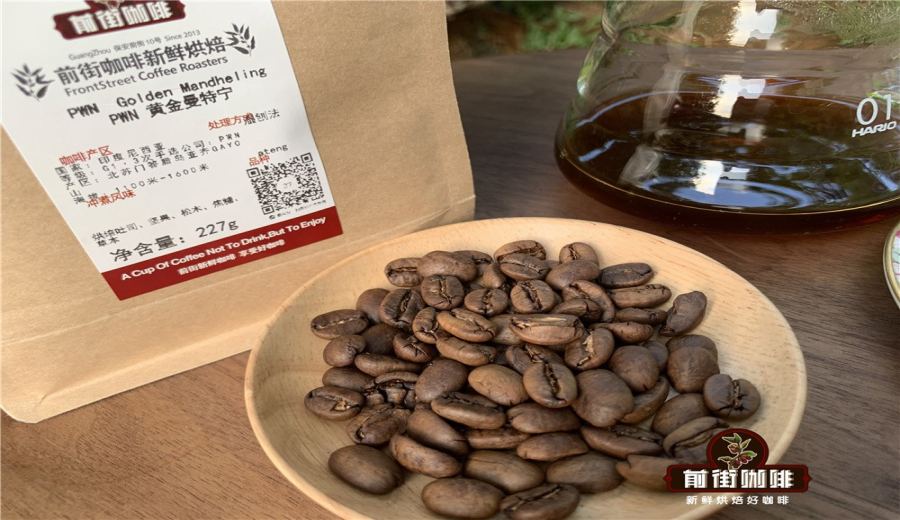
Introduction:As a flagship specialty coffee from Sumatra, Indonesia, Golden Mandheling is renowned for its rich, clean flavor and captivating aftertaste. However, many coffee beginners often wonder: "Can I use pour over to brew coffee beans that are still in their resting period?" This article delves into the background and processing method of PWN Golden Mandheling, provides a practical three-stage pour over parameter guide, and explores how the resting period critically impacts flavor—helping you master the optimal brewing timing to achieve a cup with distinct layers and a full aromatic profile.
Golden Mandheling stands out among Indonesian specialty coffees. Compared to regular Lintong Mandheling, it offers a rounder, fuller body, cleaner and brighter layers, and a longer-lasting finish, resulting in an overall more balanced cup. Many coffee enthusiasts describe its flavor as "mature and profound, like that of an old man." In truth, this coffee has low acidity, with subtle floral and fruity notes, yet it also carries the distinctive heavy mouthfeel unique to Sumatra. It leaves a sweet aftertaste amidst the bitterness, making it highly suitable for those who enjoy bold flavors.
Among the various Mandheling-producing regions, the Golden Mandheling grown in the Gayo Highlands of Aceh, Sumatra, is regarded as the representative of specialty-grade offerings. The altitude here ranges between 900 to 1600 meters, characterized by a tropical rainforest climate with stable temperatures between 25 to 28°C year-round, high humidity, and moderate day-night temperature variation—ideal conditions for coffee tree growth. The PWN Golden Mandheling selected by one brand is sourced from the Gayo Mountains in North Sumatra. Every batch of beans undergoes mechanical screening and three rounds of hand-picking after harvest, resulting in an extremely low defect rate and only the highest-grade G1 quality. These coffee beans are dark green in color, have a neat flat bean shape, and belong to the highly prized Arabica species.
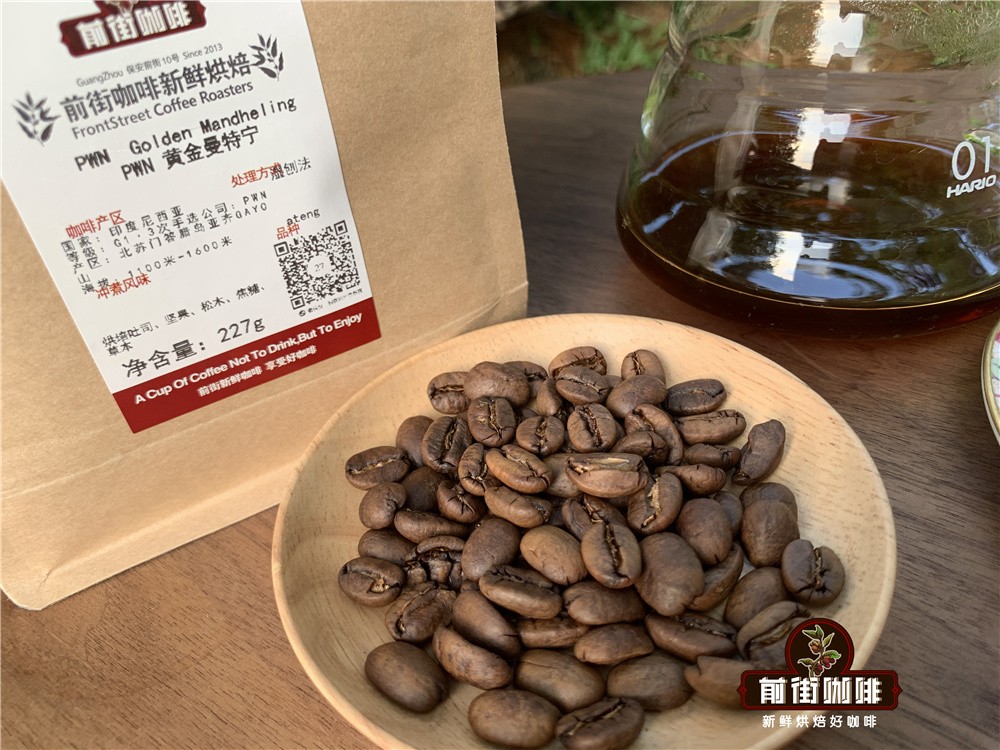
When discussing Golden Mandheling, one cannot overlook its unique "wet hulling" processing method. Due to Sumatra’s hot and humid climate, frequent overcast and rainy weather makes sun drying difficult, and the cost of washed processing is relatively high. Local farmers have thus developed this distinctive processing approach. Wet hulling involves removing the parchment layer while the beans are still moist, accelerating the drying process. This method also imparts a heavier body and deep herbal and spicy notes to the coffee—characteristics most commonly associated with Sumatran coffee.
Next, we’ll break down how to use the pour over method to brew PWN Golden Mandheling to bring out its best flavors. Parameters such as water temperature, grind size, brew ratio, and specific pouring techniques will all affect the final extraction performance and flavor presentation.
I. Water Temperature: Adjust Based on Roast Level
Golden Mandheling is typically medium to dark roasted—to enhance its rich, nutty, and woody profiles, while moderately suppressing excessive off-flavors. One brand recommends using 88°C water temperaturefor pour over. This temperature balances extraction efficiency, avoiding over-extraction that could lead to bitterness, while fully highlighting the layered flavors.
II. Grind Size: A Key Factor in Extraction Efficiency
Grind coarseness directly affects the contact area and time between coffee grounds and water. For medium to dark roasted Golden Mandheling, it is recommended to grind to a 75% passing rate through a Chinese No. 20 sieve, equivalent to the medium-fine grind commonly used for pour over—similar in coarseness to white sugar. If you don’t have a sieve at home, you can also refer to your grinder’s settings, generally aiming for a medium to medium-fine range, with fine-tuning possible based on actual extraction results.
III. Brew Ratio: Recommended 1:15 Golden Ratio
According to SCAA’s Golden Cup theory, the ideal extraction rate for pour over coffee is between 18%-22%, with concentration between 1.15%-1.35%. For this Golden Mandheling, it is advised to use a 1:15 brew ratio(e.g., 15 grams of coffee to 225 milliliters of water). This ratio fully showcases its rich body without sacrificing layering, suiting the palates of most pour over enthusiasts.

IV. Pour Over Technique: Three-Stage Pouring for Clearer Flavor
Given the medium to dark roast characteristics of Golden Mandheling, it is recommended to use a three-stage pouring methodto clearly separate the front, middle, and back-end flavors and avoid overly concentrated extraction. The specific steps are as follows:
1. Bloom Stage (30 seconds)
Start by wetting the filter paper, discarding excess water from the server, then placing 15 grams of coffee grounds. Gently pour 30 grams of hot water to bloom. This step releases CO₂ from the coffee grounds, helping ensure a more even extraction later. Note especially,the fresher the coffee beans, the more obvious the bubbling during blooming. It is recommended to wait at least 3 days of resting before brewing to achieve optimal flavor expression.
2. Second Pour (125 grams)
After blooming, start pouring with a small stream in circular motions from the center, stopping when you reach a total of 125 grams. Be careful not to make the circle too large, maintaining focused and steady water flow to avoid over-extracting the edge grounds.
3. Third Pour (total 225 grams)
When the water level drops to about half of the filter, continue pouring in the same manner until you reach a total of 225 grams, and allow the coffee to fully drip through. You may slightly increase the circle size during this stage to encourage more agitation of the coffee particles and promote fuller release of flavor compounds.
The total brew time is recommended to be around2 minutes, with slight adjustments made according to actual conditions. After brewing, give the coffee a gentle swirl before pouring into your cup for a more uniform flavor.
Flavor Profile of Golden Mandheling
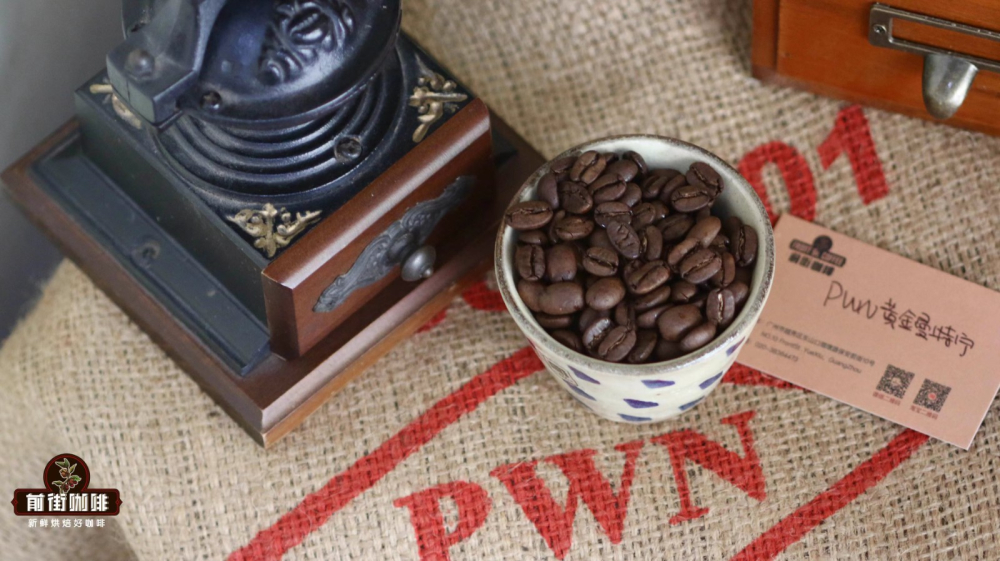
In pour over preparation, this PWN Golden Mandheling commonly exhibits flavors such as a full-bodied nuttiness, caramel sweetness, and a mild chocolatey finish. The cup is well-layered, with a long finish, full body, and clean taste—a classic bean that showcases the essence of Sumatran coffee.
Is the Resting Period Important? Can I Brew Before It’s Fully Rested?
The answer is: you can, but it’s not recommended. Freshly roasted coffee beans contain a large amount of CO₂, which can interfere with water contact with the coffee grounds, leading to uneven extraction and flavors that may come across as sharp or dull. PWN Golden Mandheling is recommended to rest for 3 to 7 daysto reach its peak flavor window. If the coffee beans haven’t fully rested, they can still be brewed, but the overall performance will be slightly compromised, unable to fully express its richness and delicate aromatic layers. Additionally, if you’ve purchased pre-ground coffee, due to the fast oxidation rate, it is advised to brew it sooner rather than later—resting isn’t needed, but freshness remains key.
The above content is compiled by CoffeeHunters, a coffee news website.


