







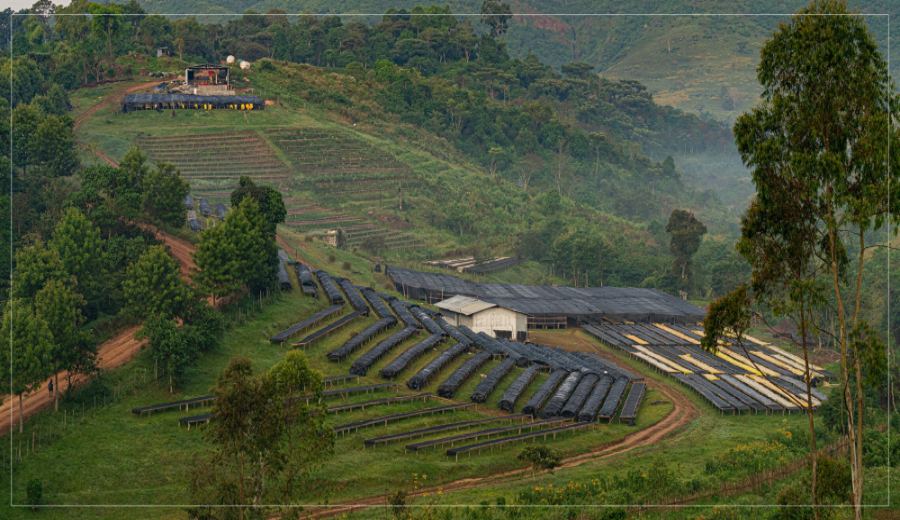
Introduction:Bench Maji, this hidden corner in western Ethiopia, is not only the birthplace of the Geisha coffee variety but also home to the renowned Gesha Village Coffee Estate. This article will delve into the geography, climate, forest-based cultivation model, historical origins of the Geisha variety, and the grading system of the Gesha Village Coffee Estate, along with pour over brewing recommendations, to give you a comprehensive understanding of this unique yet lesser-known specialty coffee origin.
In Ethiopia’s specialty coffee landscape, Yirgacheffe, Sidamo, and Guji-Hambela often take center stage. Yet few know that in the country’s western border lies an origin surrounded by pristine forests and celebrated for high-quality coffee — Bench Maji (Bench Maji). This region not only gave birth to the world-famous Geisha variety but is also the homeland of the Gesha Village Coffee Estate. From geographical environment and farming methods to the historical roots of Geisha, this article will fully introduce you to this low-profile yet highly promising origin.
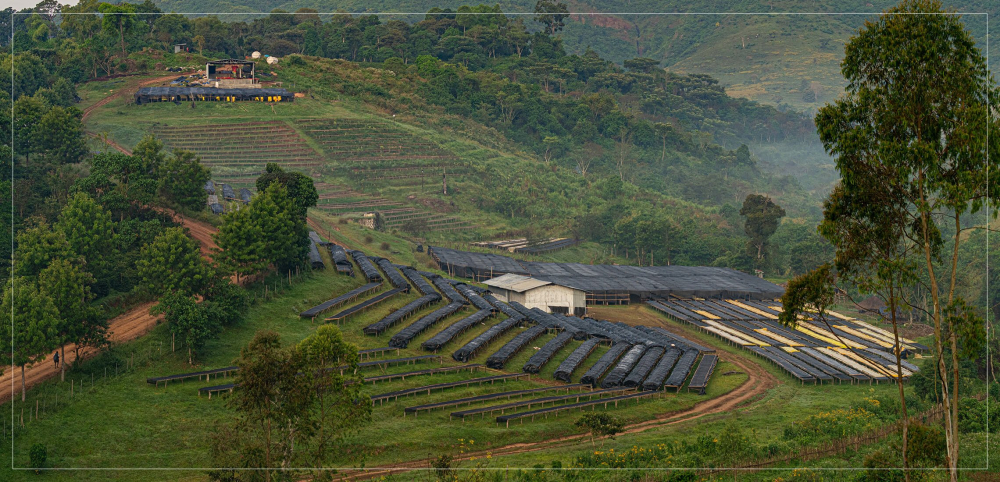
When it comes to Ethiopian coffee, many people first think of Yirgacheffe, Sidamo, or Guji. However, Bench Maji in the country’s southwest also possesses coffee potential that should not be overlooked. This area preserves vast stretches of wild forest and is also home to the Gesha Village Coffee Estate. Let’s explore this relatively niche yet distinctive origin.
Ethiopia is located in the northeastern part of Africa, bordering Djibouti, Somalia, Sudan, South Sudan, Kenya, and Eritrea. The terrain is predominantly highland, with about two-thirds of the country situated at elevations close to 3,000 meters above sea level on the Ethiopian Plateau. The East African Rift Valley runs north to south, with rugged mountains and diverse climates including tropical savanna, highland mountainous, and parts of tropical desert climate. The year is roughly divided into dry and rainy seasons, with an annual rainfall of about 1,237 millimeters, and numerous rivers and lakes, earning it the title "Water Tower of East Africa." The country also has nearly 50 volcanoes, and combined with high altitudes and varied climates, it provides ideal growing conditions for coffee.
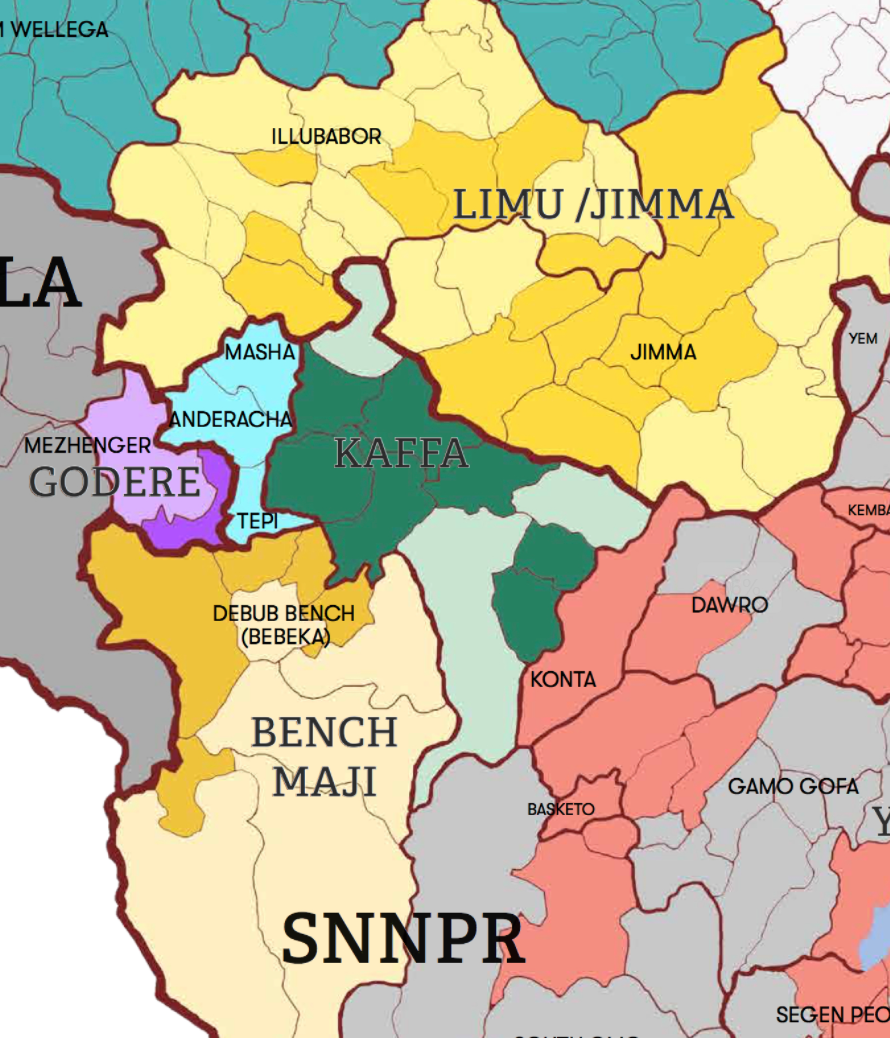
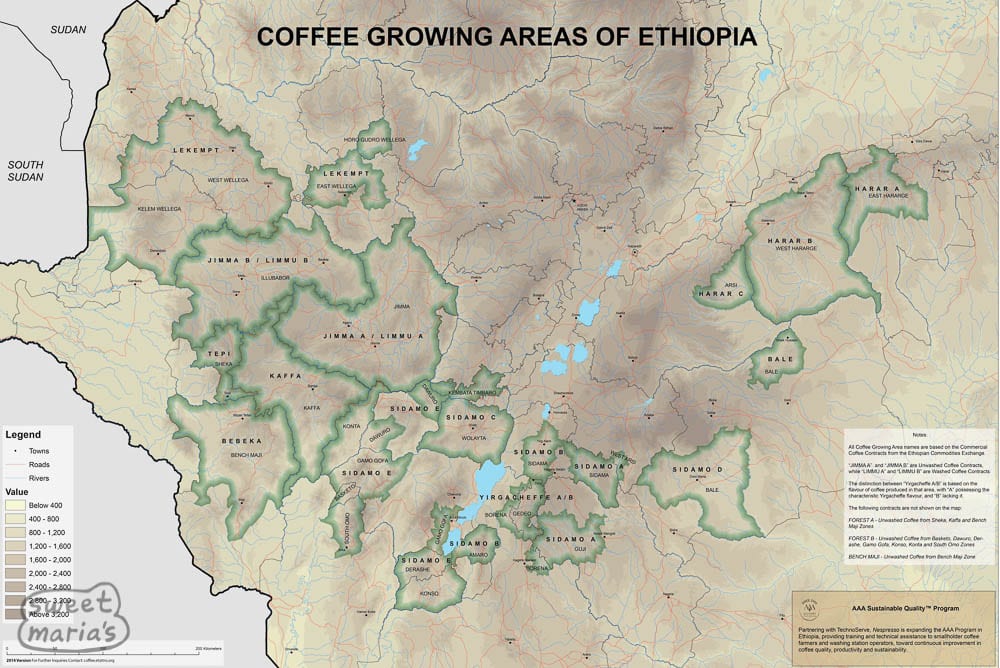
Ethiopia’s coffee regions can generally be divided into three major blocks: eastern, southern, and western. The south, represented by Yirgacheffe, Sidamo, and Guji, is the hub of specialty coffee; the east is dominated by Harrar, with coffee mostly exported to the Middle East; while the west includes Jimma, Limu, as well as Kaffa and Bench Maji, known for forest-grown coffee.
As an administrative region, Bench Maji belongs to the Southwest Ethiopia Region and borders South Sudan. Its name originates from the local Bench people, who are skilled in agricultural techniques, particularly in cultivating traditional crops like teff. Bench Maji is also known as the Bebeka region because Bebeka is the capital of the area, just a few kilometers from South Sudan. This is where the renowned Gesha Village Coffee Estate is located, and the origin of the Geisha variety can be traced back to the wild forests of Bench Maji.
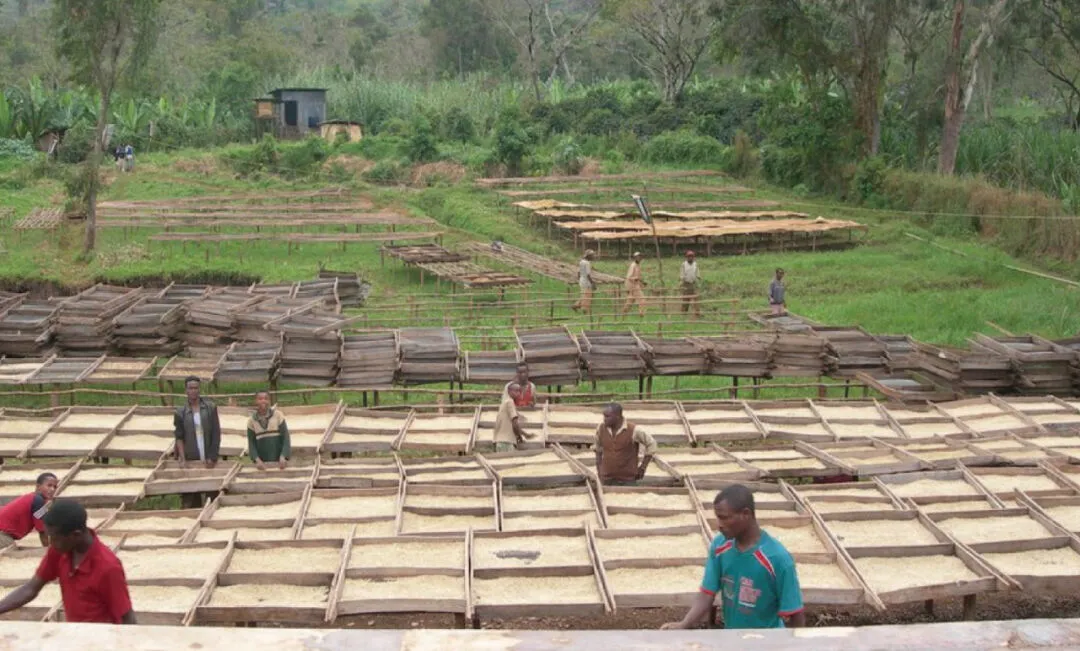
The biggest difference between Bench Maji and other western regions lies in its high forest coverage. This area is adjacent to Kaffa, the birthplace of coffee, and retains large tracts of primary forest. In the past, due to forest conservation policies, coffee cultivation was not widespread, but with the rising reputation of Gesha Village, more and more farmers have turned to coffee production.
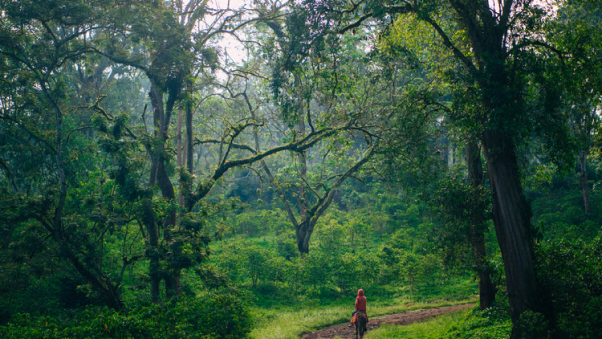
Coffee in Bench Maji is mostly grown using a semi-forest farming model, where farmers intercrop coffee among native trees, utilizing natural shade and soil nutrients to reduce reliance on chemical fertilizers and pesticides. This farming method not only maintains ecological balance but also enhances the complexity of the coffee’s flavor.
The Bench Maji region is home to the Bench Maji Coffee Farmers’ Cooperative Union, a large organization composed of 65 cooperatives serving over 130,000 smallholder farmers. They often grow coffee alongside other crops such as ginger, diversifying their income and further maintaining the diversity of the forest ecosystem.
The history of the Geisha variety can be traced back to the 1930s. At that time, the British colonial government, in search of commercially viable coffee varieties, sent Kenyan officer Richard Whalley deep into the forests of Kaffa in southwestern Ethiopia to collect samples. It is recorded that he discovered exceptionally aromatic coffee in a wild forest called Gesha, and these coffee seeds were later sent to research stations in Kenya and Tanzania for cultivation.
The original report misspelled the place name as Geisha, and the name has been used ever since. It is said that these seeds were collected on three occasions, during two expeditions in 1931 and 1936. Some seeds were sent to Kitale in Kenya for trial planting, while others were cultivated at the Lyamungu Research Station in Tanzania, eventually giving rise to the later Geisha lineages.
These seeds were later transferred via CATIE (Centro Agronómico Tropical de Investigación y Enseñanza) in Costa Rica to Panama, and it wasn’t until the 2000s that they gained fame through the promotion of Hacienda La Esmeralda. The journey of Geisha, from Ethiopia’s wild forests to the global specialty coffee market, is truly a legendary tale in the history of coffee varieties.

The Gesha Village Coffee Estate was founded in 2011 by director Adam Overton and his wife Rachel Samuel. After learning about the origins of Geisha, they decided to personally travel to Bench Maji to find the most original Geisha coffee. With the help of BOP judge Willem Boot, they discovered wild Geisha trees in the Gori Gesha forest and brought the seeds back to Bench Maji for cultivation.
The Gesha Village Coffee Estate spans nearly 500 hectares, with altitudes all exceeding 1,900 meters, and some plots even reaching up to 2,069 meters. The high-altitude environment allows coffee cherries to ripen slowly, accumulating richer flavor compounds. The estate is divided into multiple plots, such as OMA, SURMA, and SHEWA-JIBABU, each with distinct microclimates and planted with different varieties to showcase diverse flavors.
For precise management, the estate has established a numbering system and laboratory, and has set up its own washed processing facilities. Based on altitude, soil, and shade conditions, they select the most suitable varieties to ensure each plot can present unique flavor characteristics.
The Geisha varieties at Gesha Village mainly include Gori Gesha, Geisha 1931, and Illubabor Forest. Among them, Gori Gesha is related by lineage to Panamanian Geisha but is not the same variety; Geisha 1931 shares similar characteristics with Panamanian Geisha; Illubabor Forest is a disease-resistant variety provided by Ethiopian research institutions.
To ensure quality, Gesha Village has implemented a strict grading system, with products divided into Auction, Gold Label, Red Label, Green Label, and CHAKA. The auction lots are top-tier and only available through bidding; Gold Label Geisha is the estate’s flagship product, accounting for about 10% of total production, with each batch accompanied by plot information. The English name for Gold Label is “Rarities,” representing rare treasures, and its “Gold” designation comes from the main color of the packaging.
Red Label Geisha accounts for about 15% of total production, with cupping scores of 88 or higher, and also comes with complete traceability information. Officially named “Growers Reserve,” it represents the growers’ protection zone. Common varieties in Red Label are Gori Gesha, and its flavor profile is clear with bright acidity, making it a popular entry choice for many Geisha enthusiasts.
The dry season in Bench Maji runs from December to March of the following year, and Gesha Village often uses natural (sun-dried) processing during this period to preserve more fruity and floral notes. Here are the pour over brewing recommendations for Red Label Geisha:
Use a V60 dripper, control water temperature at 91–92°C, use 15 grams of coffee, with a 1:15 coffee-to-water ratio, grind size approximately 80% through a #20 sieve (size of fine sugar). First pour 30 grams of water for a 30-second bloom; second pour 120 grams of water, completed around 55 seconds; final pour with a slow stream adding 90 grams of water, total brew weight 240 grams, time around 2 minutes 10 seconds. This extraction method can fully highlight the fruity, floral, and acidic layers of Red Label Geisha.
The above content is compiled by CoffeeHunters, a coffee news website.


