








Introduction:Colombia is the world’s second-largest producer of Arabica coffee. Thanks to its high altitudes and diverse microclimates, it produces high-quality beans with balanced flavors and gentle acidity. This article delves into three renowned Colombian coffee regions—Nariño, Cauca, and Huila—exploring their geography, harvest rhythms, and variety characteristics. It also details the flavor profile and recommended pour over parameters for washed Caturra beans from the Huila region. Whether you’re just getting started or searching for a reliable daily brew, you’ll find practical insights here.
As the world’s second-largest Arabica producer after Brazil, Colombia is known for cultivating coffee at high altitudes within varied microclimates. The resulting beans often feature intense aromas, gentle acidity, and clean taste profiles. Such coffees are not only widely used in specialty blends but have also increasingly gained attention as single-origin offerings, making them a top choice for many coffee enthusiasts exploring the flavor spectrum.
Located in the northwest of South America, Colombia straddles the equator and features a typical tropical highland climate. The country is predominantly mountainous, with the elevation zones along the Andes Mountains being especially suitable for coffee cultivation. Due to its complex terrain, microclimates vary significantly across regions, giving rise to diverse flavor expressions. As a result, Colombia’s coffee production is divided into two main harvest seasons and several minor micro-lots throughout the year, ensuring a stable supply.
Colombia’s coffee-growing areas are mainly distributed in the western part of the country, covering a total of 15 regions. Among these, the southwestern regions of Cauca, Nariño, and Huila are the most renowned. These three areas not only feature high elevations but are also situated at the intersections of volcanic zones and river valleys, boasting fertile soils and excellent drainage. The coffee produced here generally exhibits clear fruity acidity and a rich, sweet base.

Let’s start with the Nariño region, located in the southwesternmost part of Colombia. Bordering Ecuador, this area generally sits at elevations above 1600 meters, with some premium plots reaching up to 2300 meters. Numerous rivers provide abundant water sources, and the canyon-specific warm, humid air currents allow coffee trees to thrive steadily on steep slopes. The coffee from this region is generally well-balanced, extremely clean in taste, and harmoniously acidic-sweet, making it a high-quality favorite among many specialty coffee lovers. Nariño has only one major harvest season per year, typically starting in April, with some high-altitude areas extending the harvest as late as August—highlighting the long growth cycle and the delicate accumulation of flavors.
Adjacent to Nariño, the Cauca region is also situated in the southwestern highlands, with an average elevation of about 1758 meters and peaks reaching up to 2100 meters. The terrain here is mostly mountainous, featuring significant day-night temperature variations that encourage coffee cherries to accumulate more complex flavor compounds during slow maturation. As a result, Cauca coffee often presents gentle layers of acidity and sweetness, with a refreshing yet full-bodied mouthfeel. The rainy season concentrates between October and December, followed by flowering and harvesting. Farmers in the region largely rely on natural rhythms to plan their agricultural activities, contributing to its unique flavor profile.
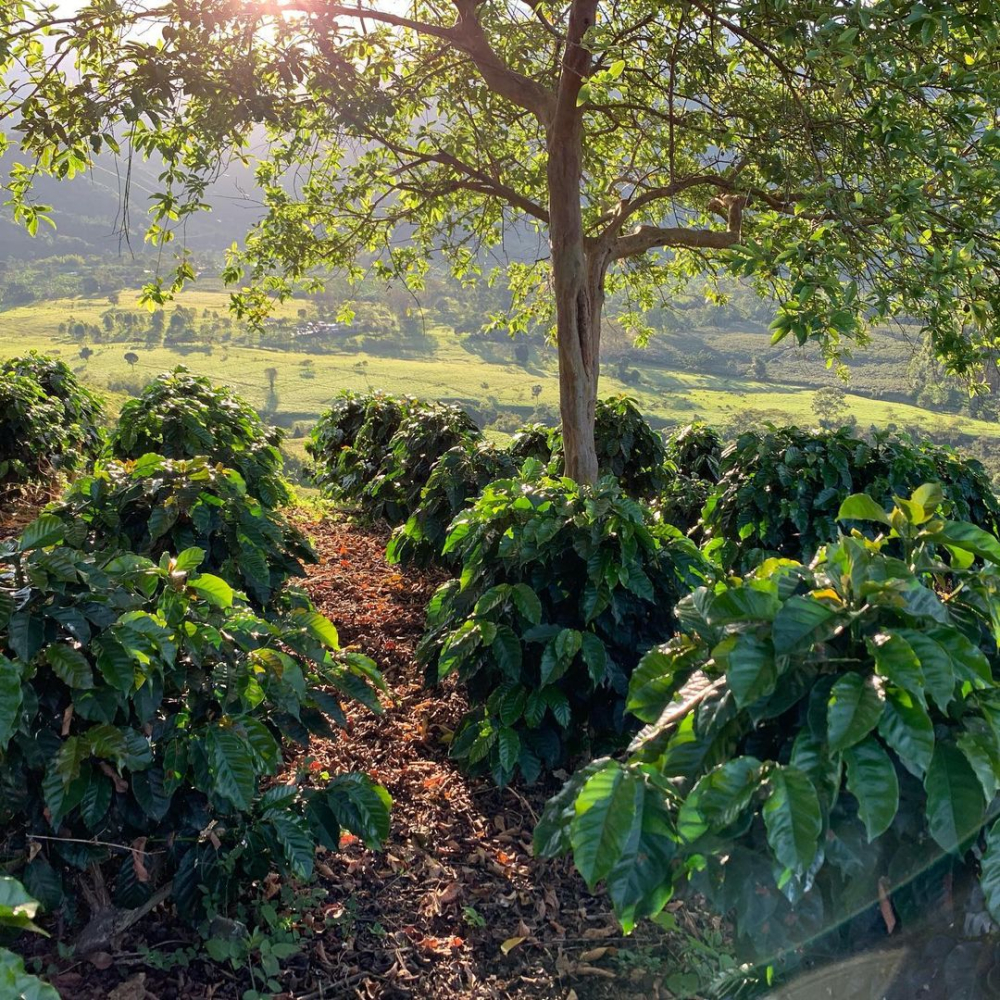 Turning to the Huila region in south-central Colombia, this area is arguably one of the country’s most famous specialty coffee origins. Surrounded by mountains, Huila has an average elevation exceeding 1500 meters, with numerous rivers, moderate temperatures, and humid air. Its volcanic soils are rich in minerals, providing an ideal environment for Arabica coffee. Huila coffee is known for its complex aromas and pronounced fruitiness, offering not only rich layers but also distinctive regional characteristics. The planting altitudes here vary widely, ranging approximately from 1250 to 2000 meters, enabling two harvests per year: the main season from September to December and the secondary season from April to May. This allows farmers to manage yield and quality with greater flexibility.
Among these, a certain brand’s Huila everyday coffee bean is one representative offering from the region, using washed Caturra variety grown at 1500–1800 meters. Caturra is a natural mutation of the ancient Arabica variety Bourbon, first discovered in Brazil in 1927 and later widely cultivated in Central America. Compared to Bourbon, Caturra is slightly less resistant to disease but offers higher yields, stronger adaptability, and the ability to thrive without shade trees, making it a staple variety in many regions. More importantly, Caturra grown at high altitudes can express brighter acidity and richer aromas, making it an ideal choice for those seeking nuanced flavors.
This Huila everyday bean is processed using the washed method, which involves: first removing the coffee cherry’s skin and pulp, then placing the parchment beans in a cement or tile fermentation tank for about 24 hours. The acidic environment generated during fermentation helps loosen the mucilage layer. Subsequently, the beans are thoroughly rinsed with clean water to remove any residual mucilage. Finally, the parchment beans are evenly spread on drying beds, with moisture content controlled to 12.5% before packaging. The biggest advantage of washed processing is its ability to maximally preserve the inherent flavor characteristics of the origin, delivering a clean and bright foundational tone—making it an excellent entry point for understanding regional flavors.
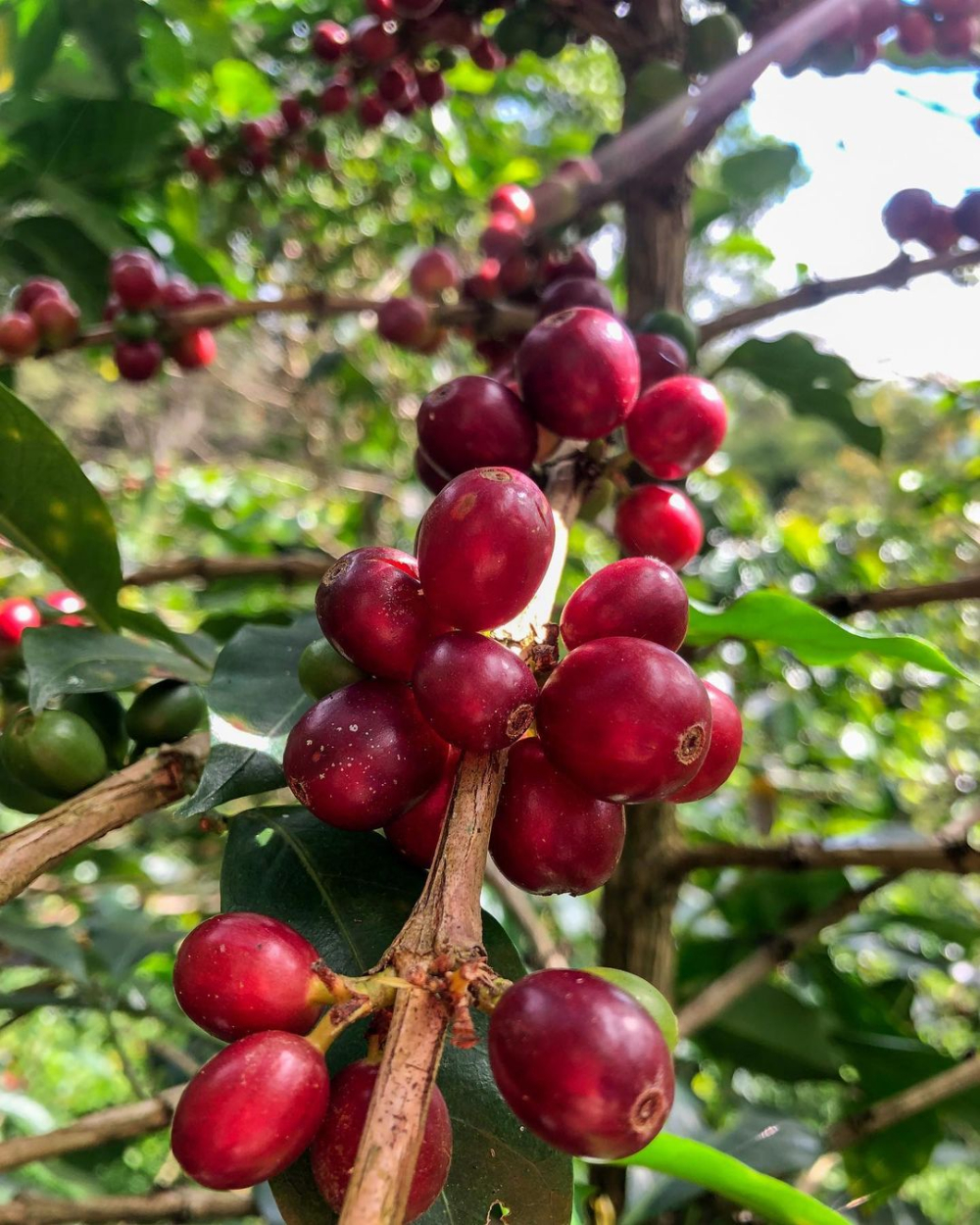
For beginner coffee enthusiasts, selecting beans often comes with challenges such as uncertain flavors, high prices, or overly large quantities. To address this, many shops offer everyday coffee series—available in small packages at affordable prices to let consumers easily explore the basic flavors of different regions. It’s generally recommended to choose 100g packs with budget-friendly pricing, allowing you to experience regional characteristics without waste.
When it comes to brewing Huila washed Caturra beans to highlight their unique flavors, it’s recommended to use freshly roasted coffee beans (ideally within 5 days of roasting) to fully retain aroma and freshness. This everyday bean emphasizes gentle fruity acidity paired with rich nutty and chocolatey notes, so roasters often adopt a medium roast approach. A fine grind setting (e.g., 80% through a Chinese 20-mesh sieve) is suggested, paired with a V60 filter cone to achieve the best extraction balance.
In practice, a three-stage extraction method can be employed: using water at 90°C and a 1:15 coffee-to-water ratio (e.g., 15g coffee to 225ml water). Start with a 30-second bloom using 30g of water to help the coffee grounds expand. Then pour 95g of hot water, wait until the coffee bed has descended halfway, and follow with the final 100g of water until dripping is complete. Throughout, aim for center-pouring with a gentle circular motion using a small stream to avoid over-extraction or channeling. This approach will fully showcase Huila coffee’s nutty aroma, chocolatey finish, and gentle fruitiness, delivering a clean and balanced drinking experience.
The above content is compiled by CoffeeHunters, a coffee news website.


