







Introduction:Robusta is often misunderstood as synonymous with cheap coffee, but in reality, it holds just as much unique potential as Arabica. This article delves into the botanical classification of the two major coffee varieties, comparing their growing environments, flavor profiles, and disease resistance in depth. Through real-life examples, it also introduces how specialty-grade Robusta has transformed. Whether you’re a beginner or a seasoned coffee enthusiast, you’ll gain essential knowledge for selecting and appreciating these beans.
Though the global coffee market is diverse, the two main varieties that dominate everyday consumption are Coffea arabica (commonly known as Arabica) and Coffea canephora (commonly known as Robusta). Many people hold biases against Robusta, believing it’s only fit for instant coffee or low-cost blends, yet they overlook its botanical characteristics and untapped quality potential. This article starts with the definition of C. canephora, clarifying its relationship with Robusta, and provides a comprehensive analysis of the differences between the two in terms of growing conditions, flavor profiles, and pest resistance. Using practical cases such as London’s Black Sheep Coffee and India’s Sethuraman Estate, it shows how specialty Robusta can break through stereotypes.
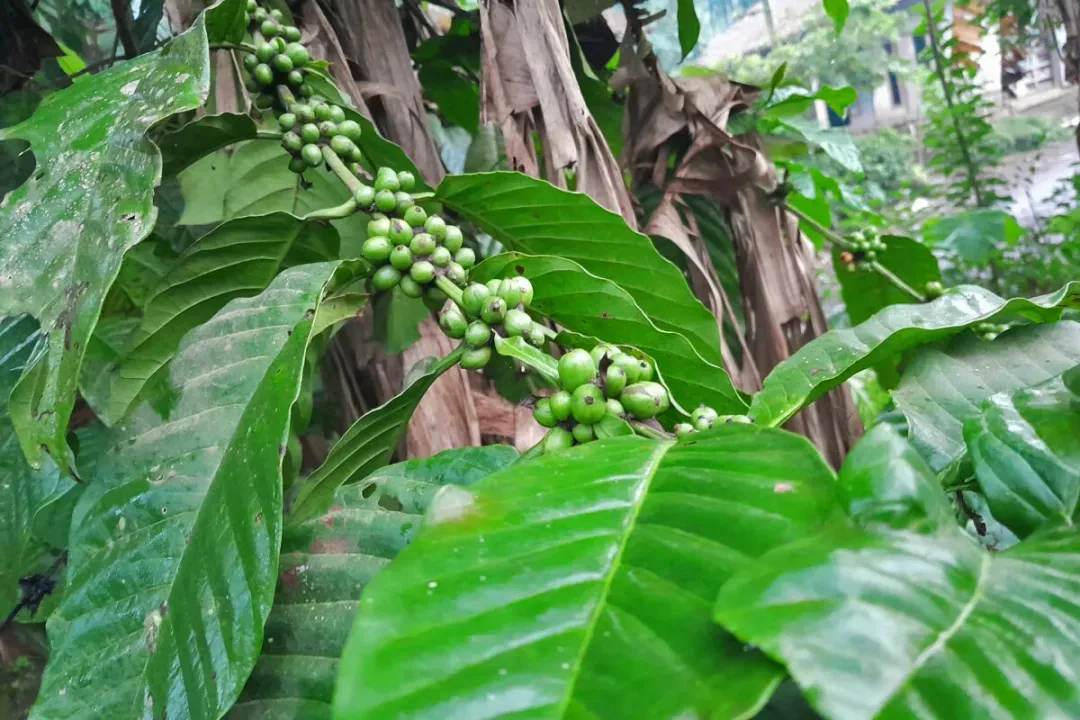
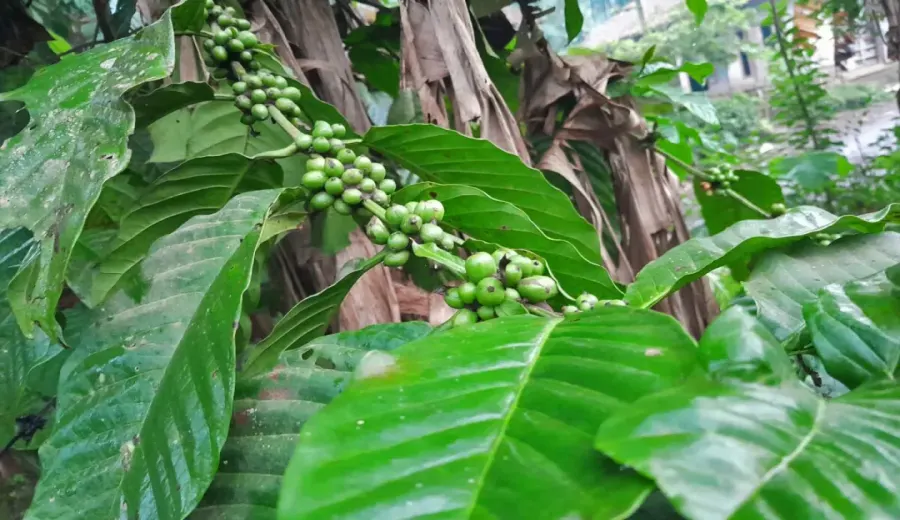
To talk about coffee, we have to start with a seed. This seed comes from a coffee tree covered in white flowers that emit a faint jasmine aroma, bearing fruit resembling cherries—with a tiny seed nestled in the center, which is the familiar coffee bean. Among the many coffee varieties, C. arabica (Arabica) and C. canephora (Robusta) are the mainstays of the global consumer market. Although there are other members of the Coffea genus, no other varieties have yet achieved large-scale commercial cultivation on par with these two.
Arabica dominates global coffee production, accounting for about 80%. It originated in Ethiopia and thrives best at altitudes between 1,000 and 2,300 meters, typically within the “coffee belt” where tropical and subtropical zones meet. These regions feature mineral-rich volcanic soil, stable rainfall, and ample sunlight—ideal conditions for coffee growth. However, Arabica is extremely particular about its growing environment and is highly susceptible to pests and diseases. For example, coffee leaf rust, a fungal infection, forms orange spots on the leaves, hindering photosynthesis and, in severe cases, causing leaf drop or even plant death. Another major threat is the coffee berry borer, which lays eggs inside coffee cherries. The larvae then feed on the fruit pulp, significantly reducing coffee quality.
Despite these challenges, Arabica remains beloved by consumers for its smooth taste and rich flavor complexity. A high-quality Arabica coffee offers intense aromas and varied flavor notes, often described as floral, fruity, citrusy, earthy, buttery, chocolatey, caramel, honey, or sugary. The specific profile ranges from bright and sweet to deep and bold, depending on terroir and processing methods.
Robusta, on the other hand, is native to West Africa and thrives in lower altitudes and higher temperatures. It now accounts for most of the remaining global coffee production. Robusta beans are smaller and more rounded, but their caffeine content is nearly double that of Arabica. This high caffeine concentration naturally repels pests, making Robusta more resistant to most insects and thus cheaper and easier to cultivate. Additionally, Robusta produces thicker crema during extraction, which is why it’s often used in blended beans.
However, Robusta generally has a poor reputation in the market, with most coffee lovers avoiding it. This is mainly because it’s commonly used in instant coffee or low-quality blends, often sold at low prices with equally low quality. After roasting and brewing, Robusta is frequently described as overly bitter, sharp in taste, and carrying woody or rubbery notes. Even so, it still has loyal fans who appreciate its unique flavors and high caffeine content.
When left without human intervention, it’s often Robusta that survives. Gabe Shohet, co-founder of London’s Black Sheep Coffee, is dedicated to promoting specialty-grade Robusta. The café was founded by Shohet and a few friends who aimed to create an experience distinct from mainstream coffee culture—particularly admiring Robusta’s bold, rich, and high-caffeine profile. As the name suggests, they chose an unconventional path.
Shohet’s admiration for Robusta is not unfounded. In his article "Fairness and E-Quality: The Case for Robusta," he points out that the negative perception of Robusta isn’t inherent to the beans themselves, but rather stems from the fact that most Robusta is machine-harvested. This leads to harvested lots being contaminated with rotten fruits, unripe beans, insects, and even twigs—making it inherently difficult to produce high-quality coffee from such mixed inputs.
To test Robusta’s potential, Shohet and his team conducted months of repeated trials to find the world’s first farm capable of producing specialty-grade Robusta. Eventually, they found the answer at India’s Sethuraman Estate. This estate practices hand-picking, double washing, and raised-bed drying for its Robusta, resulting in a coffee whose flavor profile is even more distinctive than some Arabicas. This high-caffeine beverage not only helps people stay energized throughout the day but also showcases clear walnut and chocolate notes, completely overturning the conventional image of Robusta.
Arabica may still be the top choice for most consumers, but Robusta is gradually proving its worth. Thanks to the efforts of people like Shohet, more and more people are willing to re-evaluate this often-underestimated coffee variety and give it a fair chance.
The above content is compiled by CoffeeHunters, a coffee news website.


