








Introduction:An in-depth exploration of how Kenyan coffee has become a standout in the specialty coffee world through its unique flavors and refined processing methods. This article begins with the breeding history of classic varieties such as SL28 and SL34, takes you through the key steps of the K72 washed process, and provides a detailed introduction to the microclimates and cup profile characteristics of the six core growing regions. It also analyzes the actual performance of representative PB and honey-processed beans, offering a comprehensive guide for coffee enthusiasts in selection and appreciation.
Kenyan coffee has long held a place in the global specialty coffee market for its layered profile, bright acidity, and vibrant fruity notes. Whether you're a beginner or a seasoned coffee connoisseur, you can experience a unique taste journey with Kenyan coffee. This article systematically organizes the complete knowledge system of Kenyan coffee—from variety cultivation and processing methods to the flavors of major producing regions—and is supplemented with practical cupping examples to help readers build a clear cognitive framework.
Varietal Lineage: The SL Series from Laboratory to Field
The foundation of Kenyan coffee varieties can be traced back to the breeding program conducted by the Scott Laboratories (abbreviated as SL) in the 1930s. This initiative aimed to select coffee varieties that could adapt to Kenya’s highland climate while also offering disease resistance and exceptional cup quality. Among them, SL28 and SL34 are the most well-known classic varieties, both originating from genetic lines of Yemeni Mocha and Réunion Bourbon, but exhibiting distinctly different personalities.
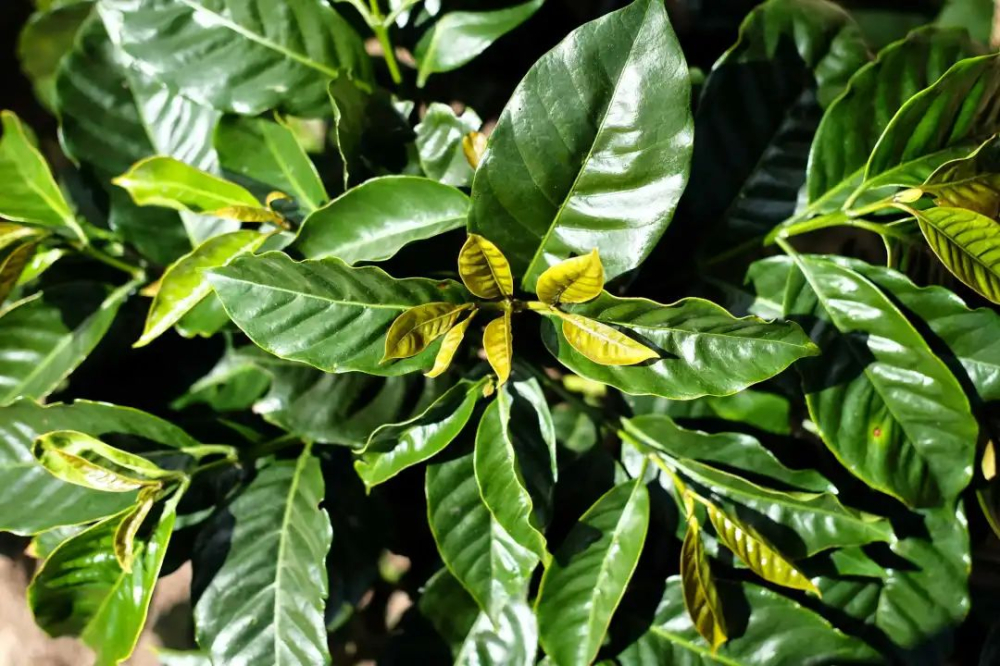
SL28 is renowned for its copper-colored young leaves and oval-shaped beans. Although its actual yield did not meet expectations, it has become a favorite among many coffee lovers due to its high sweetness, complex flavor layers, and notable citrus and dark plum characteristics. In comparison, SL34 shares a similar flavor profile with SL28 but offers a fuller body, better clarity, and greater environmental adaptability, including resilience to sudden heavy rainfall. Notably, SL28 is usually grown at higher altitudes, while SL34 is suited to slightly lower elevations, which subtly influences the final flavor expression.
In addition to these two classics, Kenya has subsequently introduced varieties such as Ruiru11 and Batian. Developed in the 1980s at the Ruiru Research Station, Ruiru11 emphasizes high yield and resistance to both coffee leaf rust (CLR) and coffee berry disease, making it suitable for large-scale commercial planting. Batian, the latest variety released in 2010 by the Coffee Research Institute (CRI), improves upon Ruiru11’s genetic makeup by removing undesirable Robusta lineage. It not only enhances cup quality but also retains the advantages of high yield and disease resistance, becoming an important choice for Kenyan coffee farmers today.
K72 Washed Process: 72 Hours of Flavor Refinement
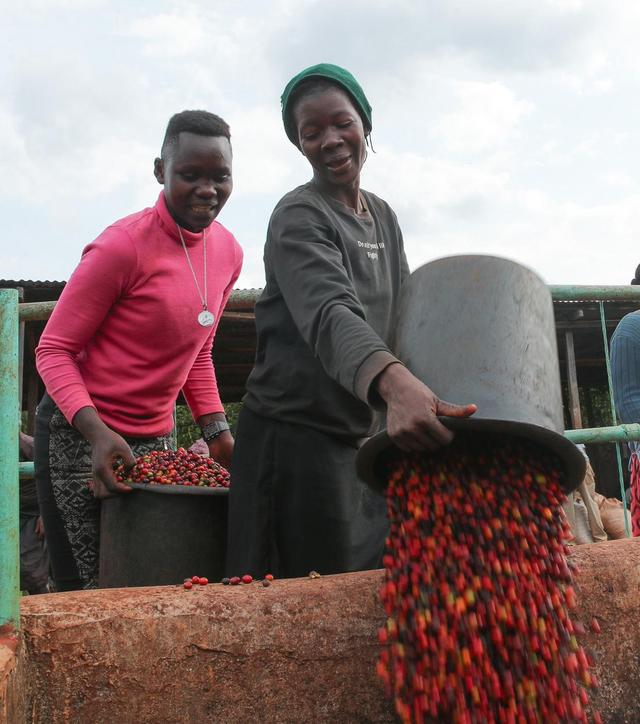
The unique flavors of Kenyan coffee are largely attributed to its distinctive K72 washed processing method. The core of this approach lies in “multiple cycles of fermentation”—on the day of harvest, farmers first select fully ripe coffee cherries, remove the outer skin, and begin the initial fermentation stage, which lasts 12 to 24 hours, followed by rinsing with clean water. Then, the beans undergo a second fermentation phase, extended to 24 to 48 hours, rinsed again, and the cycle is repeated, accumulating a total fermentation time of 72 hours—hence the name.
This long-duration, low-temperature fermentation environment effectively breaks down the mucilage layer while preserving more acidity and fruity compounds, ultimately imparting a bright and clean flavor profile to the coffee beans. Additionally, Kenya’s coffee grading system is quite rigorous, primarily based on bean size and cupping results. Grades range from highest to lowest as follows: AA, AB, PB (peaberry), C, E, TT, T. Among these, AA and AB grade beans are commonly found in export markets, and some exporters further designate cupping grades (such as TOP, PLUS, FAQ) for consumer reference.
Six Growing Regions: A Flavor Map from Foothills to Plateaus
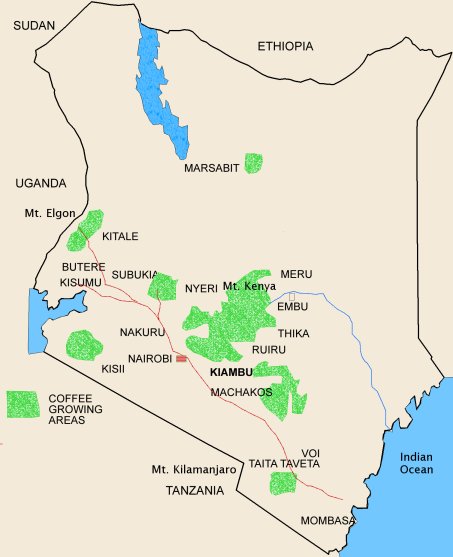
Kenya’s coffee cultivation is primarily concentrated in six major regions, each with unique flavor characteristics shaped by differences in terrain, altitude, and microclimate.
Kiambu: Located in central Kenya, traditionally known for tea, its high-altitude areas (1850–2200 meters) also produce coffee of commendable quality. Here, a coexistence of estate and smallholder farming is practiced, with flavor profiles characterized by bright acidity and a full body, suitable for those who enjoy balanced cups.
Thika: Adjacent to the capital Nairobi, though an industrial town, it is surrounded by numerous coffee farms (altitude 1550–1750 meters). The coffee from this area is known for its pronounced fruit acidity, rich berry juice sensation, and honey-like sweetness, appealing to consumers who prefer bold fruity notes.
Kirinyaga: Nestled on the slopes of Mount Kenya, adjacent to the Nyeri region (altitude 1300–1900 meters). Here, smallholder farmers form cooperatives and share modern washed processing facilities. The resulting coffee features berry-forward profiles, paired with moderate sweetness and honey or creamy aftertastes, and is regarded as one of Kenya’s top-tier regions.
Nyeri: The golden zone of Kenyan coffee, with an average altitude exceeding 1500 meters, fertile and well-drained soils. The coffee here is celebrated for its dark berries, bright malic acidity akin to dark plums, and delicate aftertaste, often considered a classic by many professional cuppers.
Mt. Kenya West: Encompassing the regions of Kisii and Bungoma, at altitudes of 1450–1800 meters. The coffee flavors here differ markedly from the central regions, focusing on roasted nuts and softer fruit acidity, suitable for those who prefer less intense acidity.
Muranga: An inland region in the Central Province, at altitudes of 1350–1950 meters, benefiting from volcanic soil nourishment. The coffee here is characterized by bright acidity and a substantial juicy mouthfeel, showcasing intense tropical fruit flavors.
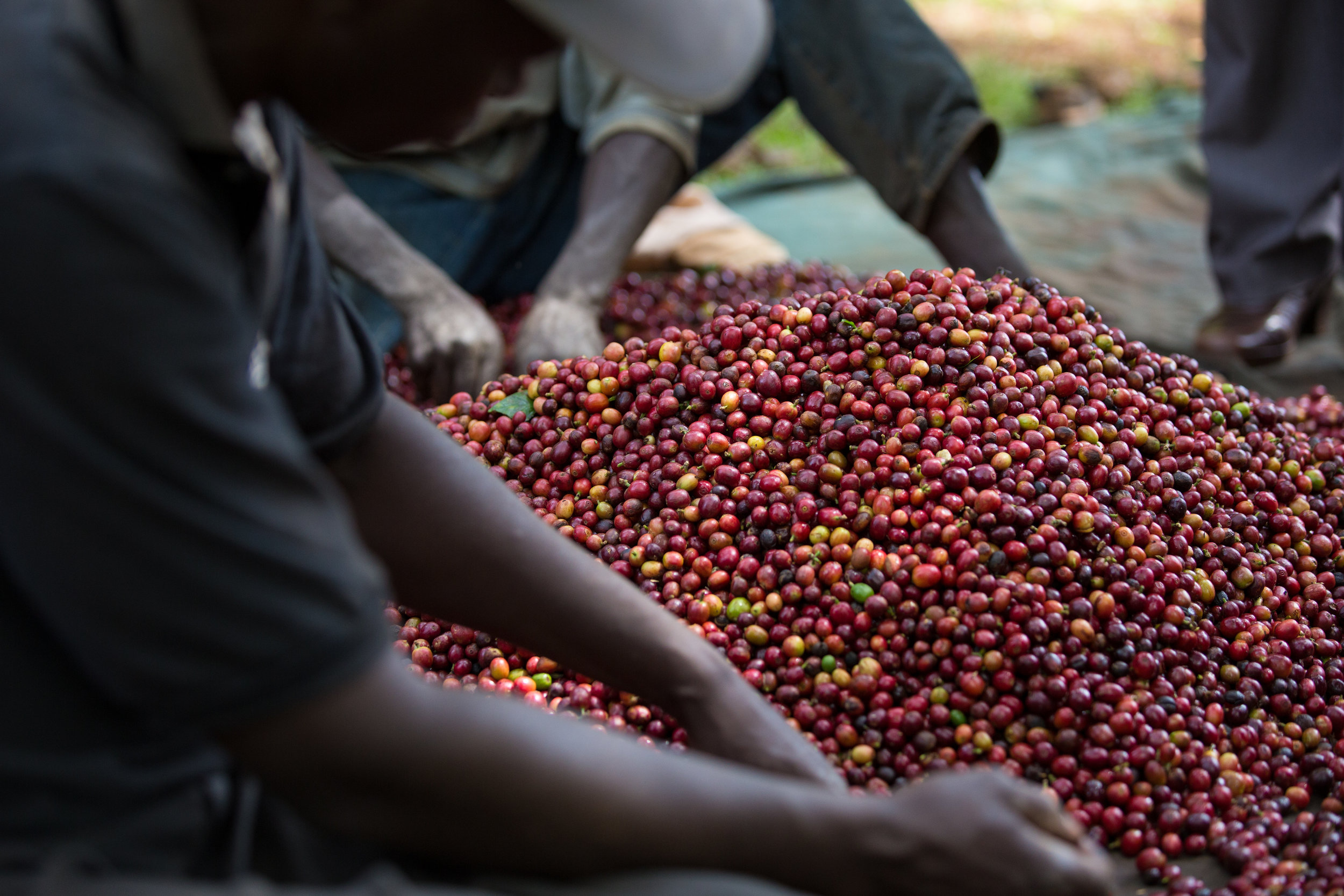
Whether you’re drawn to classic SL28 peaberries (PB), prefer the high-altitude acidity and sweetness balance of AA grade beans, or wish to explore the microclimate variations across different regions, Kenyan coffee offers a wealth of choices. By gaining a deeper understanding of varietal origins, processing methods, and regional characteristics, coffee enthusiasts can more precisely find their ideal bean match.
The above content is compiled by CoffeeHunters, a coffee news website.


